The Federal Government has expressed concern over the widening gap in the training of critical healthcare professionals, warning that the shortfall could undermine service delivery, inclusion and national productivity if not urgently addressed.
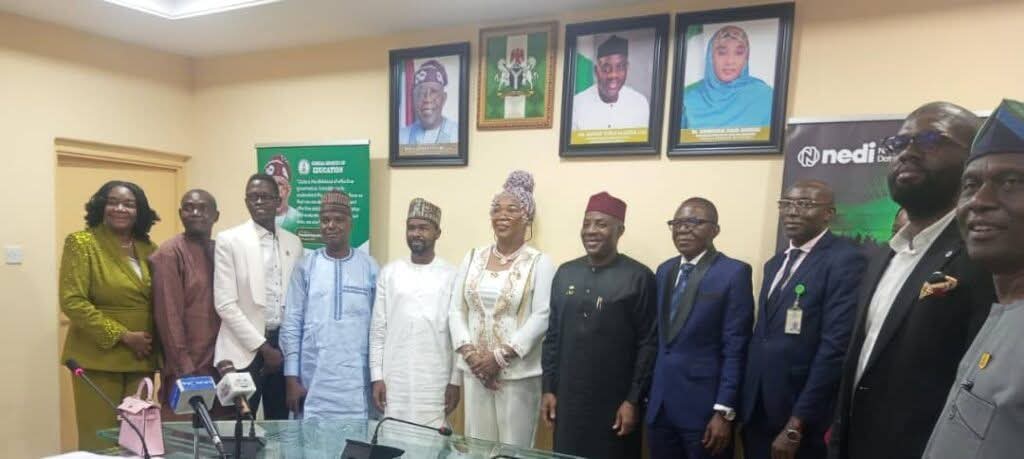
Minister of Education, Tunji Alausa, made the observation on Thursday in Abuja during the inauguration of the National Committee for the Advancement of Occupational Therapy, Audiology and Speech Therapy Education.
Alausa said Nigeria was at a defining moment, with increasing demand for specialised healthcare and rehabilitation services across hospitals, schools and communities.
“Across our hospitals, schools and communities, there is an increasing need for professionals trained in Occupational Therapy, Audiology and Speech Therapy,” he said.
He noted that the demand for skilled professionals in the disciplines continued to outpace suppl.
According to him, their importance not only in healthcare delivery but also in inclusive education, social integration and workforce productivity.
The minister, however, decried the lack of structured training pathways in the country’s higher education system.
“Many of our universities do not yet offer structured Bachelor’s degree programmes in these disciplines.
“And where training exists, it is often limited or not fully aligned with global best practices,” he said.
According to him, the gap has far-reaching implications for workforce development and Nigeria’s ability to meet both national and international standards.
Alausa said the Federal Government was working through relevant institutions, including the National Universities Commission, to improve quality assurance and expand academic programmes.
He added that government was also collaborating with funding and regulatory bodies to ensure sustainability of training programmes.
“We are focused on expanding high-impact programmes, improving quality assurance, and ensuring that our education system produces graduates who are globally competitive and locally relevant,” he said.
Vulnerable Groups to Benefit
The minister linked improvements in the disciplines to better support for vulnerable groups, including children with special needs and individuals affected by trauma, disability and developmental challenges.
He urged the newly inaugurated committee to collaborate with universities, regulatory bodies and other stakeholders to develop curricula, ensure accreditation standards and promote sustainable training programmes.
“The success of this committee will be measured not by meetings held, but by programmes established, standards upheld, and professionals produced,” Alausa said.