Alfred Ajayi
Prior to wildlife protection laws, conservation NGOs, and climate frameworks, many Nigerian communities protected nature through culture. Across the country, taboos around certain animals often seen as sacred, ancestral, or symbolic have quietly preserved species and ecosystems for generations.
Today, as climate change and biodiversity loss accelerate, these traditions are gaining renewed relevance as indigenous conservation strategies that have worked all along.
In traditional Nigerian cosmologies, humans, animals, and the spiritual world are deeply interconnected. Certain animals are believed to embody deities, serve as messengers, or represent ancestral lineage.
Residents are strongly forbidden from harming such animals, while defaulters are threatened with severe spiritual or social consequences. Over the decades, these taboos have become binding moral codes that regulate human interaction with nature.
Unlike modern environmental laws that require enforcement agencies, these systems are self-regulating with compliance premised on fear of spiritual repercussions, respect for tradition, and communal accountability primary. The result is a form of conservation that is both cost-effective and deeply rooted in identity.
Animal taboos across Nigeria
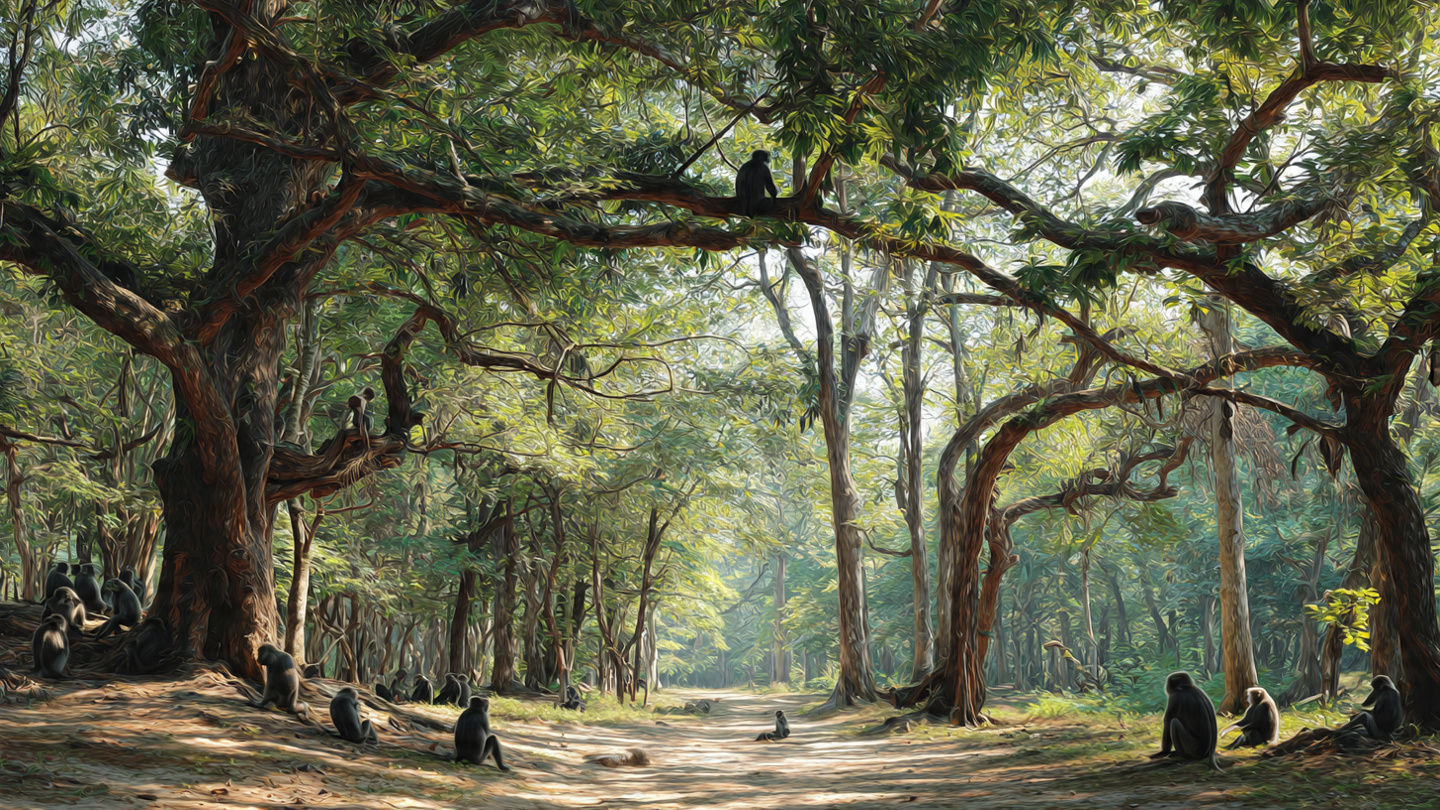
In many Igbo societies of South-eastern Nigeria, animal taboos are strongly tied to deities and the earth goddess. In Awka, Anambra State, Monkeys are traditionally protected and never killed. They are often seen as sacred or linked to ancestral heritage. In Idemili axis within same state, pythons are revered as sacred creatures associated with the Idemili deity. Killing one is considered a grave abomination and requires elaborate burial rites similar to those performed for humans.
Ogidi, Obosi, and surrounding towns: Pythons are regarded as messengers of the earth deity (Ala) and are strictly protected. In Imo State (Owerri/Lagwa axis), the rare Sclater’s guenon monkey survives largely because of local taboos forbidding its harm.
These beliefs have created safe zones for vulnerable species, particularly primates and reptiles, shielding them from hunting and habitat destruction.
From the Southwestern region the Yoruba cosmology also embeds conservation within spiritual practice. For instance, Osun-Osogbo sacred groves in Osun State protect monkeys, birds, and other wildlife tied to the Osun deity.
Within those places, hunting is forbidden. Across Yoruba land, pythons are associated with Oshumare, while snails are linked to Obatala and are often treated with reverence. In those areas, sacred groves function as biodiversity hotspots, preserving not only animals but entire ecosystems of trees, plants, and water bodies.
South-South region
Water-based cultures in the Niger Delta often protect aquatic and semi-aquatic animals. In Ijaw communities of Bayelsa, Rivers, and Delta states, crocodiles and water monitors are considered ancestral beings and are protected in sacred rivers and lakes.
In Efik and Ibibio in Cross River and Akwa Ibom, animals like pythons and leopards carry deep symbolic meaning and are rarely harmed. Sacred rivers and ponds act as natural sanctuaries, allowing aquatic biodiversity to thrive in otherwise heavily exploited environments.
From North-Central (Middle Belt) of Nigeria, many clans in Tiv communities of Benue State do not kill or eat totems because of ancestral ties. Although these taboos are limited to certain families or clans, they reduce pressure on wildlife populations and promote species survival.
Among several Hausa communities, hyenas (kura in local parlance) are deeply associated with witchcraft, evil spirits, and the occult. Consequently, they are widely feared and often avoided. In many areas, eating hyena meat is strongly discouraged or outright forbidden due to its perceived spiritual impurity.
While not always protected from being killed (especially if seen as dangerous), the taboo against eating them reduces hunting for consumption and limits commercial exploitation.

Also, vultures have long been avoided as food in many northern communities. They are seen as unclean because they feed on carrion. Islamic dietary laws (halal) reinforce this, generally prohibiting scavenger birds for consumption.
This has historically reduced hunting pressure. However, modern threats like poisoning have significantly affected vulture populations despite these traditional protections.
Under islamic dietary law, eating donkey meat is generally discouraged or forbidden (especially domesticated donkeys). They are instead valued as working animals. This protects them from being slaughtered for meat in many northern communities.
Religion as a conservation force
In Northern Nigeria, Islam plays a major role in shaping human-animal relationships with key principles such as prohibition of eating carnivorous animals and scavengers, emphasis on humane treatment of animals and discouragement of unnecessary killing. These guidelines indirectly protect several species, especially birds of prey and carnivores.
While southern Nigerian taboos often sacralize specific animals (e.g., pythons in Idemili or monkeys in Awka), northern practices tend to: focus more on dietary restrictions and moral codes. They are less tied to specific sacred species and they emphasize avoidance rather than reverence.
Implications for Climate and Biodiversity
Cultural or religious taboos require no rangers, patrols, or surveillance. Compliance is internalized, making them highly sustainable conservation tools. They create informal conservation areas as sacred groves, rivers, and forests often become “no-go zones,” where logging, hunting, and farming are restricted. These areas act as reservoirs of biodiversity.
In the same vein, they preserve ecological balance. Animals protected by taboos such as snakes and primates often play critical ecological roles. Snakes control rodent populations, while primates aid seed dispersal and forest regeneration.
Such taboos also support climate resilience. Healthy ecosystems store carbon, regulate temperatures, and protect against flooding and erosion. By preserving forests and wildlife, these traditions indirectly contribute to climate mitigation and adaptation.
Unlike externally imposed policies, these cultural and religious practices are part of people’s worldview. Conservation becomes a cultural obligation, not just an environmental regulation.
Threats to Indigenous Conservation Systems
Despite their effectiveness, these traditions are under pressure as urbanisation, modernization, and changing religious beliefs have weakened adherence to traditional taboos. Younger generations tend to view them as outdated, while economic hardship can push communities toward hunting and land exploitation.
As these taboos fade, species that once thrived under cultural protection become vulnerable. The decline of sacred groves and protected animals is already evident in some areas.
Rather than dismissing these beliefs, there is growing recognition that they can complement modern conservation strategies. Governments, environmentalists, and climate advocates can work with local communities to: recognize and protect sacred ecological sites. They should consider incorporating traditional leaders into conservation planning.
Deliberate efforts should be made to document and preserve indigenous ecological knowledge while also promoting cultural education that links heritage with environmental sustainability. This approach respects local identity while strengthening biodiversity protection efforts.
Nigeria’s conservation story is not just about policies and protected areas—it is also about culture. From monkeys in Awka to sacred pythons in Idemili and crocodiles in the Niger Delta, these taboos reveal a system of environmental stewardship that has endured for centuries.
As the climate crisis intensifies, solutions do not always have to be new. Sometimes, they lie in rediscovering old wisdom. By valuing and revitalizing these traditions, Nigeria has an opportunity to blend culture with science. Doing this, the country will be protecting both its heritage and its natural future.
This was first published by Radio Nigeria