As Nigerians commemorate Democracy Day and nearly three decades of uninterrupted civilian governance, a fundamental question demands honest reflection: Is Nigeria truly democratic, or has the country merely institutionalised civilian rule?
The distinction is crucial because democracy more than holding periodic elections encompasses the rule of law, accountability, separation of powers, protection of fundamental rights, citizen participation, transparency, independent institutions, and the delivery of public goods. Assessed against these universally accepted indicators, Nigeria’s democratic presents a mixed picture marked by notable achievements, troubling contradictions, and growing concerns about democratic backsliding.
Since the return to civilian governance in 1999, Nigeria has recorded several democratic milestones with transitions within and across political parties at the federal level and elected governments completing constitutional tenures.
Democratic institutions have also been surviving military interference, and citizens enjoy greater freedoms than under military regimes. The country’s electoral process, though imperfect, has become more technologically driven, while the media and civil society remain vibrant platforms for public discourse.
However, a closer examination reveals deep structural weaknesses that continue to undermine democratic consolidation. One of the foremost indicators of democracy is the rule of law—the principle that no individual is above the law and that institutions function independently.
Unfortunately, Nigeria is bedeviled by allegations of selective justice, disregard for court orders, prolonged detention of suspects without trial, and political interference in judicial processes continue to raise concerns about the strength of legal institutions.
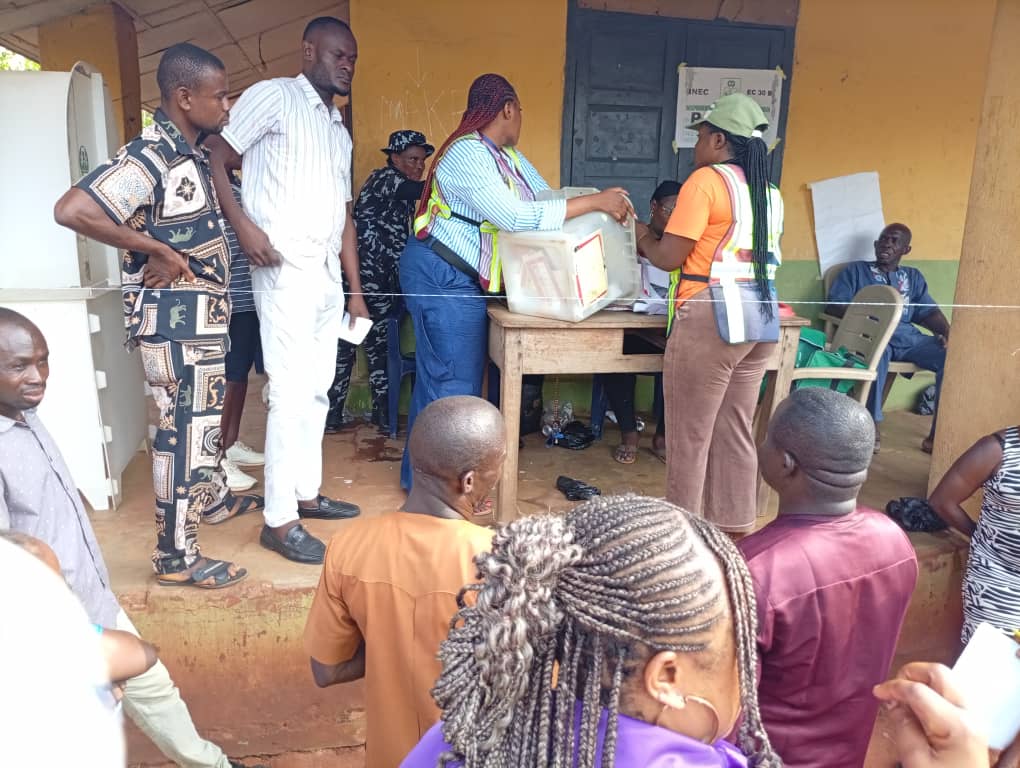
Another critical democratic indicator is credible elections. While Nigeria has conducted regular elections since 1999, questions about vote-buying, electoral violence, voter suppression, manipulation of results, abuse of incumbency, and declining voter turnout have persisted. The 2023 general elections, despite technological innovations, generated significant controversy and litigation, exposing gaps in public trust in the electoral system.
Unhealthy democracy
The health of democratic institutions also remains a concern. Ideally, the legislature should act as an independent check on executive power. Yet many observers argue that both federal and state legislatures often operate as extensions of the executive arm, thereby weakening oversight functions. Similarly, local government autonomy remains more constitutional theory than practical reality in many states, limiting grassroots democracy.
Perhaps the greatest indictment of Nigeria’s democratic experience lies in governance outcomes. Democracy is expected to improve citizens’ welfare through security, economic opportunities, quality healthcare, education, and infrastructure. Yet millions of Nigerians continue to grapple with poverty, unemployment, inflation, insecurity, and declining living standards. For many citizens, the dividends of democracy remain elusive.
The security situation further exposes democratic vulnerabilities with persistent terrorism, banditry, kidnapping, communal conflicts, and separatist agitations challenging the capacity of the state to guarantee one of the most basic democratic expectations which is the protection of lives and property. A democracy that cannot secure its citizens risks losing public confidence.
Corruption remains another enduring red flag. Despite numerous anti-corruption campaigns, public perceptions of corruption remain high. Mismanagement of public resources, weak accountability mechanisms, and limited consequences for grand corruption continue to erode trust in government institutions.
Shrinking citizens participation
Equally troubling is the shrinking citizens participation. Democratic governance thrives when citizens feel heard and represented. However, growing voter apathy, declining trust in political institutions, and perceptions that political offices are accessible only to wealthy elites suggest that many Nigerians increasingly feel disconnected from the democratic process.
Also deserving of attention is the issue of internal party democracy. While political parties are expected to serve as vehicles for democratic participation, candidate imposition, godfatherism, monetisation of politics, and opaque primary processes have often undermined merit, competence, and popular choice.
Media freedom and civic space, though relatively robust compared to military eras, face periodic threats. Cases involving intimidation of journalists, restrictions on protests, and attempts to regulate online expression have raised concerns among democracy advocates about the protection of civil liberties.
These realities explain why some scholars and political analysts argue that Nigeria operates more as a civilian regime than a fully functioning democracy. They argue that while periodic elections have been taken place, democratic norms and institutions remain weak, with concentration of political power often in elite networks with limited accountability to citizens.
Despite all misgivings against Nigerian democracy, it is both unfair and dangerous to call it a failure. This is because democracy is not a destination but a continuous process of institutional strengthening and civic engagement. Nigeria has made undeniable progress since the dark years of military dictatorship. The challenge is that democratic growth has not kept pace with citizens’ expectations.
Urgent reforms advocated
To salvage and deepen democracy, urgent reforms are necessary. First, electoral reforms must strengthen transparency, accountability, and public confidence in elections. Electoral offenders should face swift prosecution to deter malpractice.
Second, conscious efforts must be made to protect judicial independence. This ensures that courts remain impartial arbiters of disputes and guardians of constitutional rights. More efforts are advocated towards ensuring that local government autonomy is fully implemented to bring governance closer to the people and encourage grassroots participation.
Besides, political parties must embrace internal democracy, allowing merit and popular choice to prevail over godfatherism and financial influence. Anti-corruption institutions require greater independence and stronger enforcement powers to tackle impunity regardless of political affiliation.
Governance is about service delivery and democracy will backslide where citizens experience worsening poverty, insecurity, and economic hardship.
Finally, there is need o expand civic education to cultivate informed and active citizenship. Democracy flourishes not only because leaders govern well but because citizens demand accountability and participate meaningfully in public affairs.
As Nigeria marks another Democracy Day, the country stands at a defining moment. The central question is no longer whether democracy should continue—the answer is undoubtedly yes.
Going forward, Nigeria must transform electoral democracy into substantive democracy: a system where institutions are stronger than individuals, and public office serves the people rather than personal interests. Functional democracy also guarantees that every citizen can genuinely feel the impact of democratic governance.
The future of Nigerian democracy will ultimately be determined not by the number of elections conducted but by the quality of governance delivered and the extent to which democratic ideals translate into everyday realities for ordinary citizens.