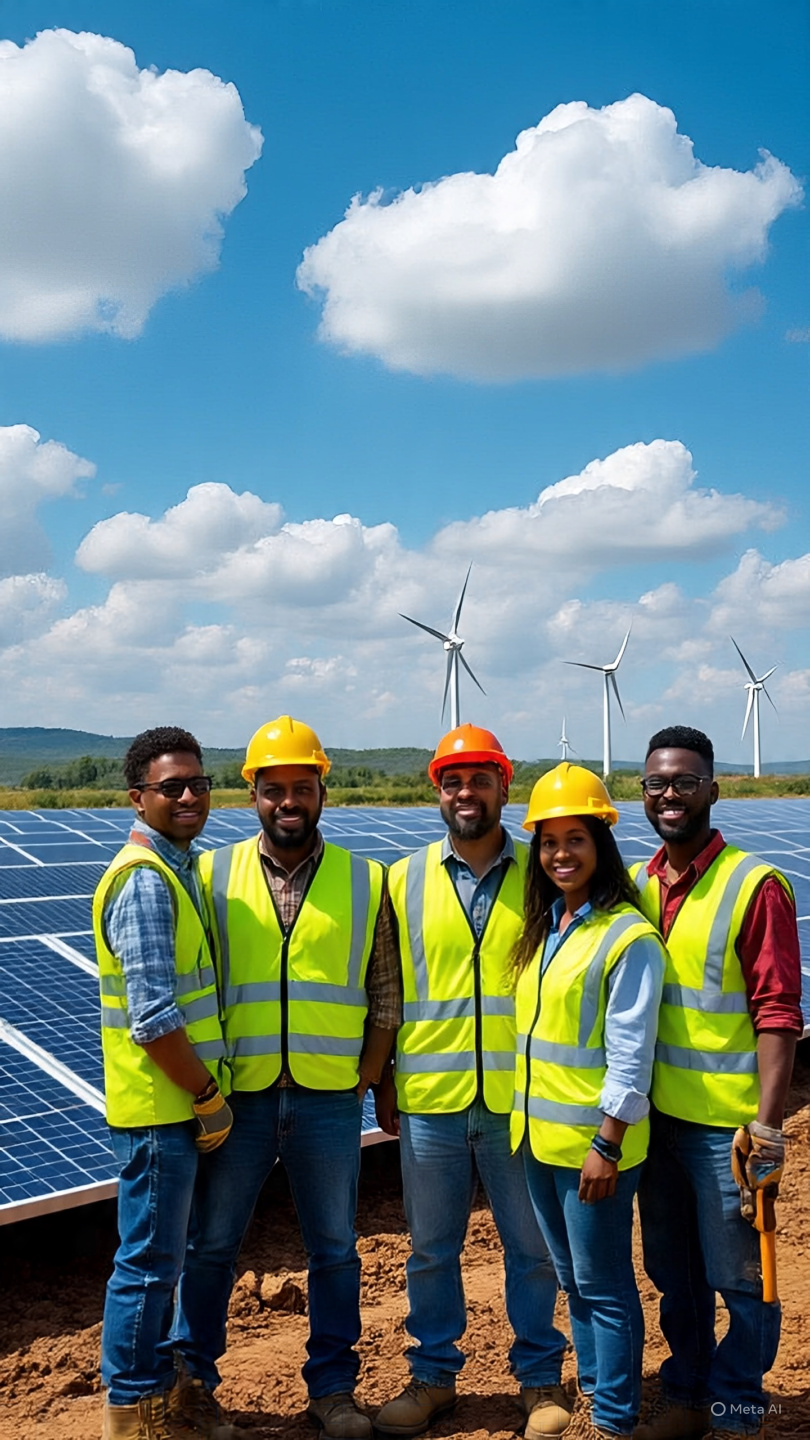
Every year on April 22, the global community observes Earth Day, a reminder that the Earth is not an infinite resource bank, but a living system that sustains all life. In 2026, the theme – “Our Power, Our Planet”—places responsibility in human hands where it rightly belongs. It is a declaration that the same force that has strained the Earth must take up the task to heal it.
Human beings have always been powerful agents of change on Earth. Through science, industry, and innovation, we have built cities, advanced technology, and extended life expectancy. But this power has also been misused, often without regard for environmental limits.
Deforestation continues to strip the Earth of vital carbon sinks as rivers and oceans are increasingly polluted with untreated waste, plastics, and chemicals. Industrial emissions release greenhouse gases that trap heat in the atmosphere, driving climate change. Unsustainable agriculture depletes soil fertility, while overconsumption fuels mountains of waste.
All these have put the planet under severe pressure manifesting in form of warming oceans, unpredictable weather patterns, rising sea levels, and collapsing ecosystems. Wildlife populations are shrinking at alarming rates, and biodiversity loss is weakening the natural systems that support human survival.
Consequences in our faces
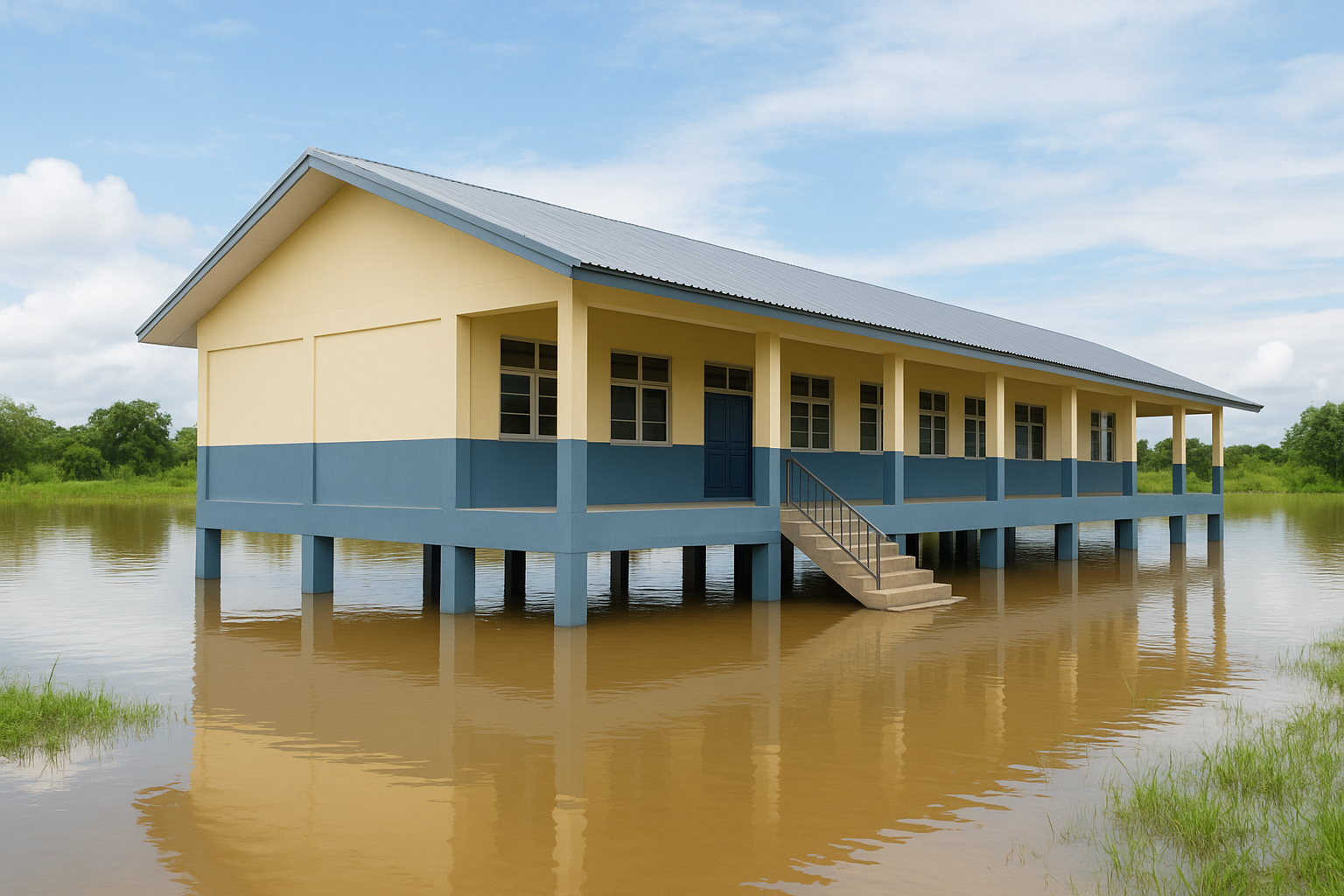
The impact of these activities is no longer distant, abstract or theoretical. It is visible in flooding, droughts, heatwaves, and storms becoming more intense and frequent. It is present in polluted air that affects respiratory health, and in contaminated water that threatens food security.
In many developing regions, including parts of Nigeria, environmental challenges are compounded by poor waste management and rapid urbanization. Blocked drainage systems contribute to flooding, while plastic waste accumulates in land and waterways. These are not just environmental issues—they are public health and economic challenges.
The Earth is responding to human pressure, and the response is becoming increasingly severe.
Our collective power of reversal
The theme “Our Power, Our Planet” beyond warning also conveys a message of hope. Since human power created these problems, human power can also solve them.
There is need to quickly transit to sustainable energy, replacing fossil fuels with renewable energy sources like solar, wind, and hydro can drastically reduce carbon emissions and slow climate change. Responsible consumption equally provides some relief. Reducing waste, especially single-use plastics, and embracing recycling and reuse can significantly lessen environmental pollution.
Reforestation and conservation must be given the pride of place. Planting trees, protecting forests, and restoring degraded ecosystems help to absorb carbon dioxide and rebuild biodiversity. Nigeria need strong environmental Governance, which will see governments enforce environmental laws, regulate industrial pollution, and invest in sustainable infrastructure and waste management systems.
To increase awareness and consciousness of the harms of environmental abuse can causes there is need for environmental education and awareness. Lasting change begins with knowledge. When people understand their environmental footprint, they are more likely to act responsibly.
Shared responsibility for shared future
2026 Earth Day reminds us that the planet’s future depends on how we use our power today. “Our Power, Our Planet” is a call to action that emphasizes unity of purpose—governments, industries, communities, and individuals must all participate in protecting the Earth.
The truth is simple: the Earth does not need us, but we need the Earth. Every decision—what we consume, how we travel, how we produce energy—either adds to the problem or becomes part of the solution.
Earth Day is not just a date on the calendar; it is a moral checkpoint for humanity. The power we hold is enormous, but it must be guided by responsibility, wisdom, and urgency. If we choose wisely, we can shift from destruction to restoration.
The future is not written by nature alone—it is written by us. And in 2026, the message is clear – our power can protect our planet.