
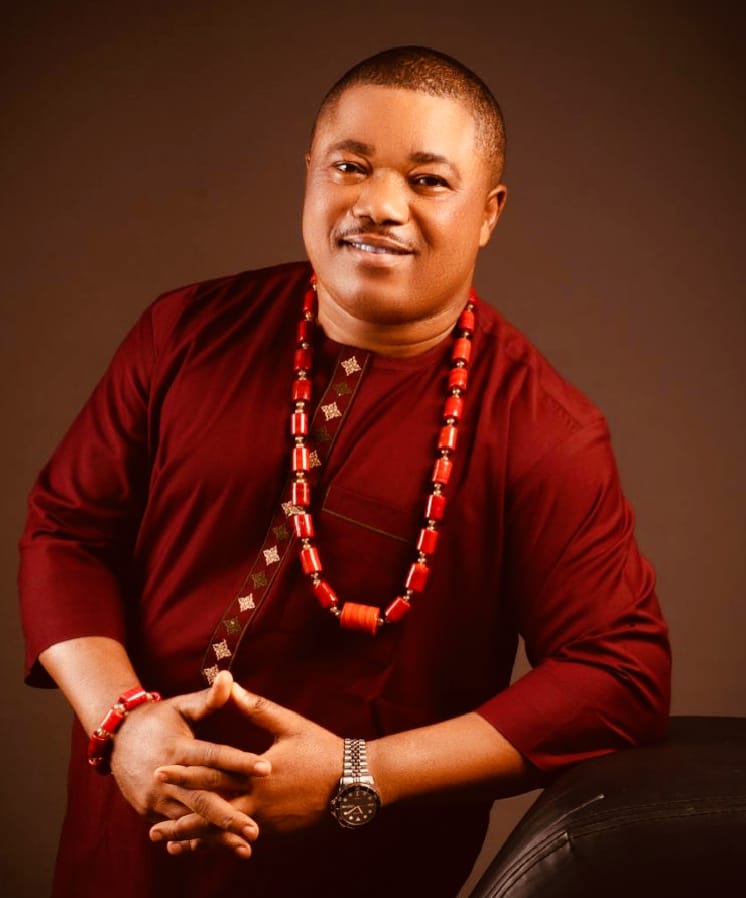
Human rights lawyer and lead counsel to the Indigenous People of Biafra (IPOB), Ifeanyi Ejiofor, has described the May 30 Biafra remembrance as more than a symbolic date.
He said the date remains a solemn day of reflection on one of the darkest chapters in Nigeria’s history.
In a statement titled, “May 30: A Day of Remembrance, A Day of Conscience,” Ejiofor said the occasion compels Nigerians to reflect on the devastating human tragedy that accompanied the Nigerian Civil War fought between 1967 and 1970.
According to him, the memories of the war remain painful for many Igbo families and others who lived through the conflict, during which communities were destroyed, families separated and millions displaced.
“In memory of the countless lives lost during one of the darkest chapters in African history, today we stand in solemn remembrance,” he stated.
“We remember the fathers who never returned home, the mothers whose tears watered the soil of a wounded homeland, and the innocent children whose lives were consumed by hunger, disease, displacement and the devastating consequences of war.”
Ejiofor recalled that even before the outbreak of full-scale hostilities, many Eastern Nigerians, especially Igbos, had become victims of violence and reprisals following the political crises and military coups of 1966, controversially labelled an “Igbo coup.”
He said thousands fled back to Eastern Nigeria carrying little more than trauma and memories of loved ones lost in the violence.
According to him, when war eventually broke out in July 1967, it unleashed one of the gravest humanitarian catastrophes witnessed on the African continent.
He noted that images of starving children with protruding ribs shocked the conscience of the international community, while the blockade imposed during the war worsened hunger and humanitarian suffering in Biafra.
Millions displaced, killed
Ejiofor said millions were displaced and countless lives lost, with many historical accounts estimating the death toll in the millions.
Among the painful memories of the war, he said, was the Asaba Massacre of October 1967 during which numerous civilians were brutally killed.
“The scars of that event remain deeply etched in the collective memory of the people of Asaba and indeed the entire Igbo nation,” he said.
The senior lawyer maintained that the tragedy of Biafra should not be viewed solely as an Igbo story, but as a human tragedy and a warning against political intolerance, dehumanisation and collective punishment.
According to him, although the war officially ended in January 1970 with the declaration of “No Victor, No Vanquished,” many survivors struggled to reconcile those words with the realities they faced afterwards.
He said many families returned to ruined homes, collapsed businesses and destroyed livelihoods, while generations grew up carrying stories of loss, displacement and hardship.
“For many Igbos, the post-war years became a prolonged struggle not only against material deprivation but also against the painful feeling that their suffering had neither been fully acknowledged nor adequately addressed,” he added.
Ejiofor stressed that remembrance was necessary not to promote hatred or vengeance, but to preserve truth and foster genuine reconciliation.
Moral duty
“History imposes a moral duty upon every nation — the duty to confront painful truths with honesty.
“A society achieves greatness not by burying its tragedies beneath silence, but by courageously acknowledging them and learning from them,” he stated.
“Remembrance is the foundation of truth, and truth is the foundation of reconciliation.
“A wound that is denied cannot heal. A tragedy that is forgotten can be repeated.”
He called for compassion, justice and historical honesty, insisting that every life lost during the conflict mattered and deserved to be remembered with dignity.
“The war officially ended in 1970, but the obligation to remember remains. The obligation to seek truth remains. The obligation to pursue justice remains,” he added.
Ejiofor concluded by urging Nigerians to honour the memories of those who died during the war and work towards a future built on justice, peace and reconciliation.
“Today, we mourn. we remember and honour. May their sacrifices never be forgotten,” he stated.