The Anambra State Government has reiterated its commitment to strengthening preparedness and response measures against the Ebola Virus Disease (EVD) amid growing concerns over outbreaks reported in parts of Africa.
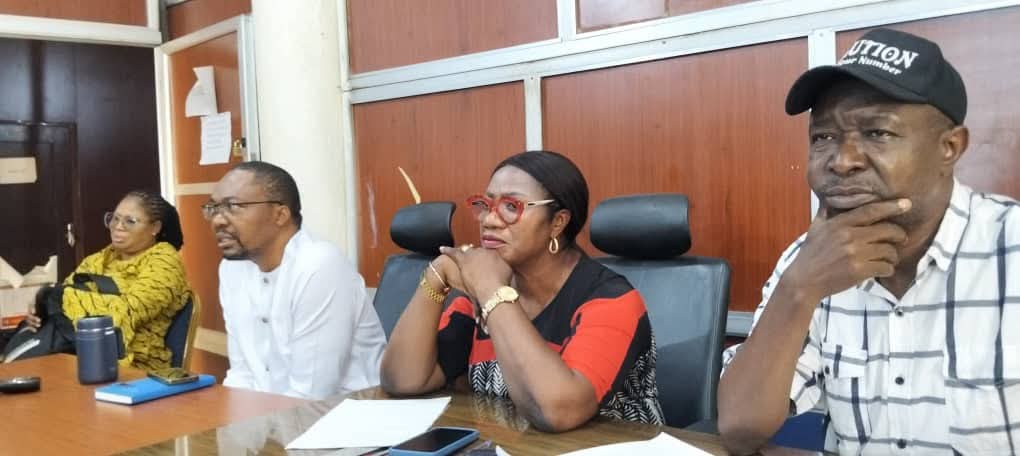
Speaking at a stakeholders’ meeting on Ebola preparedness in Awka, the Commissioner for Health, Dr. Afam Obidike, stressed the importance of heightened vigilance and widespread public sensitisation.
He stressed the need to adequately inform and educate every resident of the state on Ebola prevention and response measures.
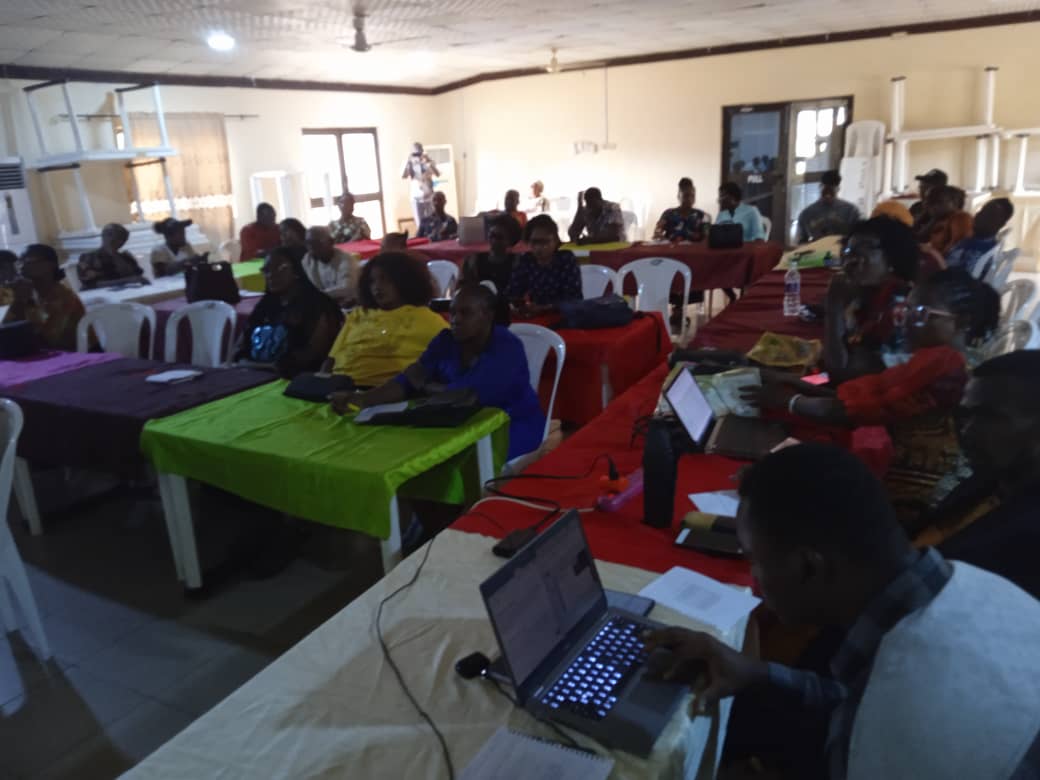
The meeting, which brought together health partners and key stakeholders, reviewed the state’s level of preparedness and assessed its capacity to respond swiftly and effectively should an outbreak occur.
Participants examined existing response structures and identified critical areas requiring improvement to ensure a coordinated and rapid emergency response.
Dr. Obidike called on residents to remain alert and comply with recommended preventive measures, emphasizing that public cooperation is essential to preventing the spread of the disease.
He noted that awareness and early reporting remain crucial components of an effective response strategy.
Health experts at the meeting highlighted key preventive measures, including regular hand hygiene, prompt reporting of suspected cases, strict adherence to infection prevention and control protocols, and the activation of rapid response mechanisms where necessary.
The state’s preparedness efforts align with ongoing national initiatives spearheaded by the Nigeria Centre for Disease Control (NCDC) to strengthen Ebola readiness across the country.
As part of these efforts, states are to designate isolation and treatment centres, appoint preparedness focal persons, and evaluate existing response capacities.
Priorities areas
Stakeholders also identified several priority areas requiring urgent attention, including disease surveillance and alert management, laboratory preparedness, case management, infection prevention and control, risk communication and community engagement, logistics and commodity readiness, surveillance at points of entry, continuity of essential health services, and research.
Under the national preparedness framework, states are also to implement a minimum package of Ebola readiness measures within the next two weeks.
A weekly monitoring and reporting system between state governments and the NCDC is also expected to be established to track progress and address identified gaps.
Dr. Obidike assured participants that the Anambra State Government would continue to work closely with health partners and relevant agencies to strengthen its preparedness architecture and safeguard residents against any potential Ebola threat.
The meeting ended with stakeholders renewing their commitment to enhanced coordination, intensified public awareness campaigns, and sustained efforts to ensure the state remains fully prepared to detect, respond to, and contain any suspected Ebola cases.