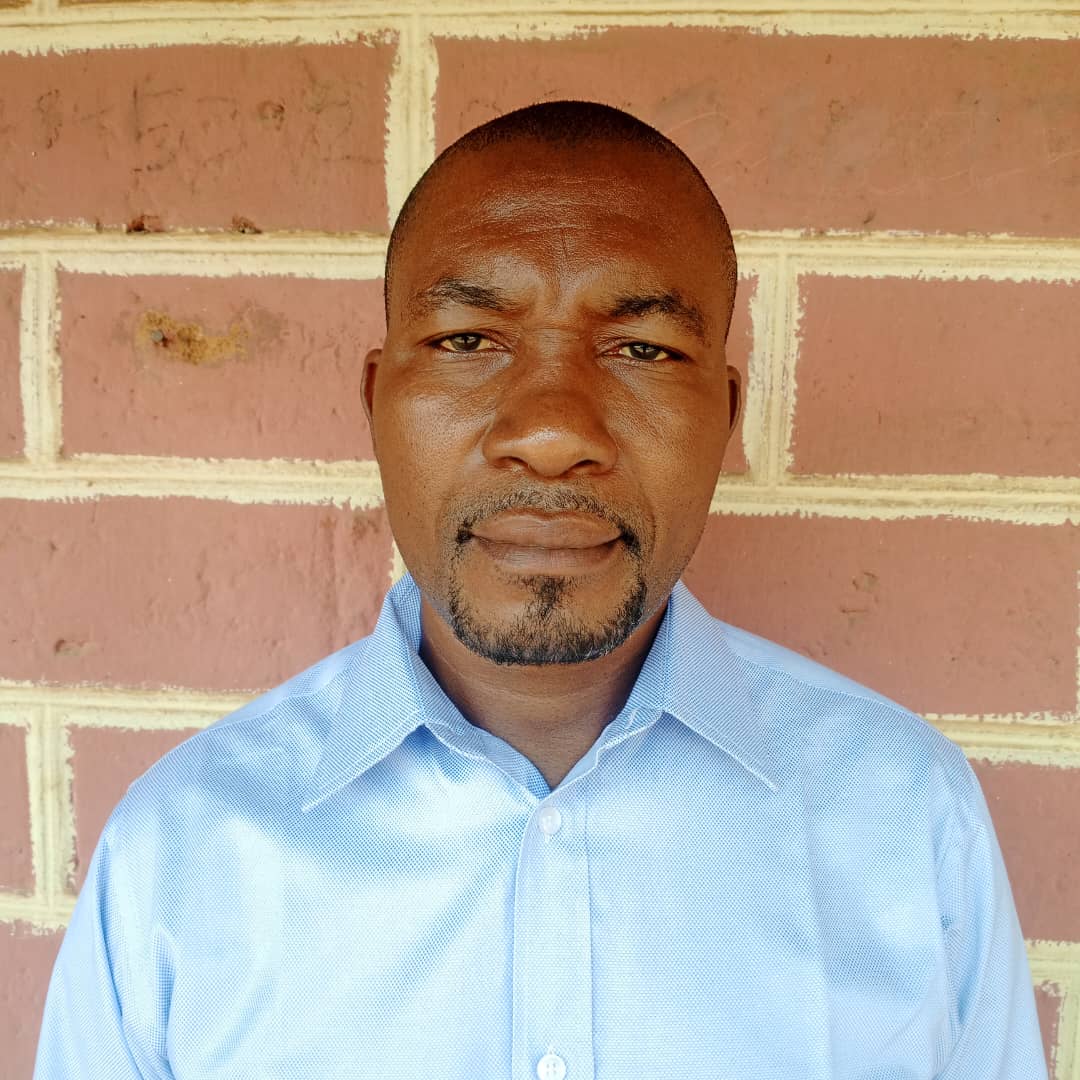
The Nigeria Network of NGOs (NNNGO) has announced the selection of three Nigerian journalists, including PUNCH Newspapers Correspondent in Ebonyi State, Edward Nnachi, for the first phase of its Journalism Fellowship programme.
The fellowship is designed to raise awareness about the critical role journalism plays in safeguarding Nigeria’s democratic and civic space, emphasizing that its survival depends on the quality, courage, and versatility of media practitioners.
The other fellows are Vangawa Bolgent, Editor at Gazette News in Borno State, and Nkechi Macaulay, Reporter and Producer at 103.5FM Radio One, Federal Radio Corporation of Nigeria, Lagos.
The trio represents key regions across the country, with Bolgent from the North-East, Macaulay from the South-West, and Nnachi representing the South-East.
According to the organisers, the fellows emerged after a rigorous selection process that saw 368 applications reviewed for the programme’s first phase.
The 10-month fellowship, which runs from March to December 2026, will immerse participants in professional mentorship, periodic capacity-building sessions, and data-sharing initiatives.
Fellows will also receive editorial support to produce in-depth, well-researched reports focusing on civic space, freedom of expression, and social justice.
Speaking at a four-day training marking the commencement of the programme, NNNGO Executive Director, Oyebisi Babatunde Oluseyi, described the fellowship as a call to action for Nigerian journalists to reinforce democracy through impactful reporting.
He noted that shrinking civic freedoms globally, coupled with increasing misuse of laws such as the Cybercrime Act, pose significant threats to both journalism and civil society.
He also highlighted the growing challenges of misinformation, including deepfakes and coordinated disinformation campaigns, particularly in Nigeria where digital media consumption continues to rise.
Not conventional training
Oluseyi explained that the fellowship goes beyond conventional training by offering a structured, long-term approach to transforming how journalists investigate and report stories.
According to him, the initiative aims to produce a new cadre of journalists capable of delivering data-driven reports, amplifying underreported voices, and shaping public discourse through diverse storytelling formats, including podcasts and opinion pieces.
He further emphasized the need to bridge the longstanding gap between journalists and civil society organisations.
“Traditionally operating in parallel, both sectors must now recognise their shared responsibility in defending democratic values.
“Attacks on civic space are inherently linked to threats against press freedom.
“The fellowship also seeks to reframe development reporting, encouraging journalists to treat such stories with the same urgency and depth as political investigations.
“Issues such as healthcare access, education, climate change, and regulatory challenges affecting nonprofit organisations are not merely “soft news,” but critical narratives that shape the nation’s future.
Oluseyi stressed that Nigeria’s struggles with achieving key development goals reflect real human challenges, including limited access to essential services and livelihoods under threat.
He urged the fellows to approach these stories with rigor, empathy, and persistence.
Edward Nnachi, one of the selected fellows, is an experienced investigative and development journalist with over a decade of reporting on human-interest, climate, migration, and development issues.
The fellowship is expected to equip participants with the skills and perspective needed to operate at the intersection of civic engagement and journalism, ultimately contributing to a more informed, accountable, and resilient society.