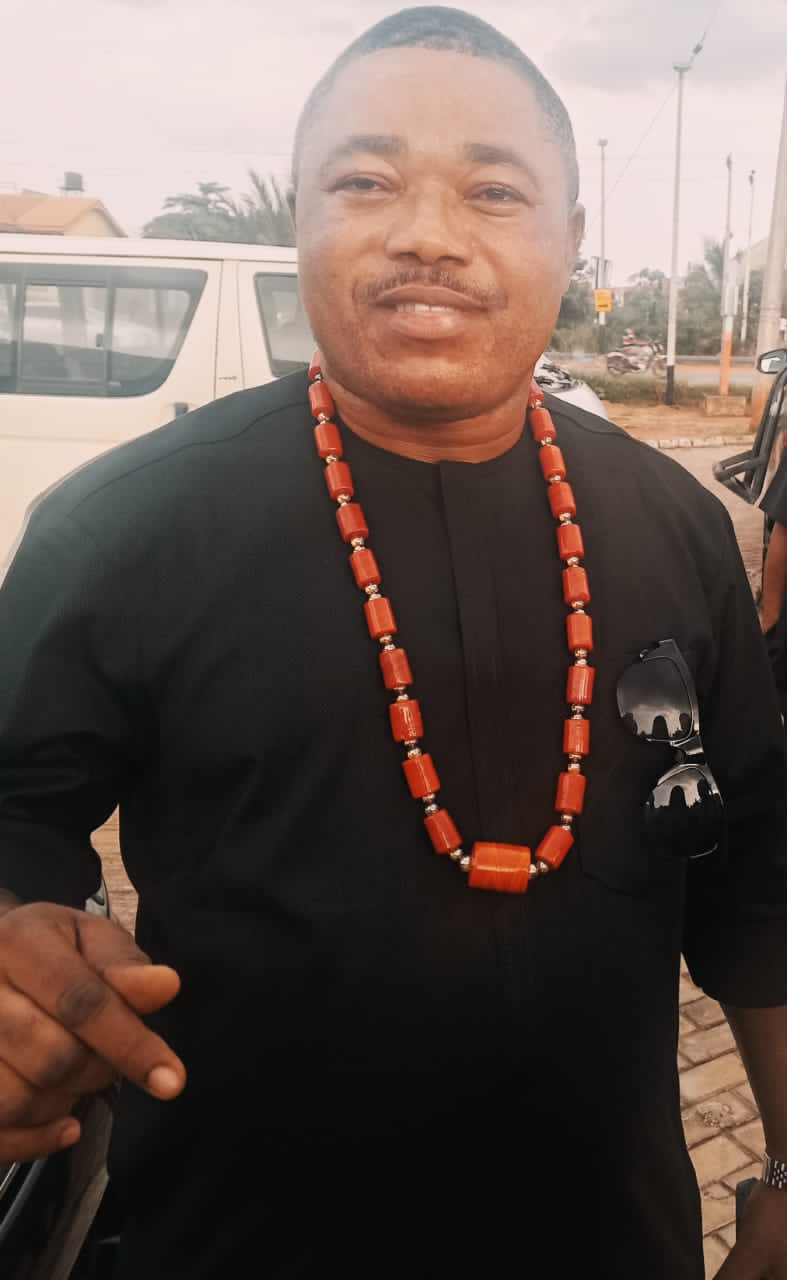
Human rights lawyer, Ifeanyi Ejiofor, has formally petitioned security and law-enforcement agencies to investigate alleged inflammatory statements and conduct attributed to Akin Fapohunda.
Ejiofor, in a strongly worded statement issued on Monday, gave the authorities 72 hours to commence investigations into what he described as hate-filled and ethnically provocative remarks allegedly made by Fapohunda.
He warned that failure by the agencies to act within the stipulated timeframe would compel him to institute legal action in accordance with Nigerian law.
The statement was titled “Monday Musings: When Political Threats Echo Rwanda: Why Nigeria Must Ruthlessly Confront Ethnic Intimidation Before It Consumes the Nation — The Imperative of Investigating Akin Fapohunda’s Inflammatory Rhetoric,”
The lawyer stressed that ethnic intimidation and reckless political rhetoric pose serious threats to national unity and democratic stability.
According to Ejiofor, statements capable of inciting fear, hostility, or violence among ethnic groups should never be tolerated in a democratic society.
“Accordingly, if no visible investigative action is taken within seventy-two (72) hours from today, I shall proceed to institute a direct criminal complaint against Akin Fapohunda in accordance with the laws of the Federal Republic of Nigeria,” he stated.
The human rights lawyer further noted that the weaponisation of ethnicity for political intimidation remains one of the gravest dangers confronting Nigeria.
Gradual descent into chaos
He maintained that history has repeatedly shown that societies often descend into chaos gradually through unchecked hate speech, reckless provocations, and the silence of institutions expected to act decisively.
Ejiofor said comments allegedly credited to Fapohunda, described as an Afenifere chieftain, had generated concern among voters from certain ethnic groups living across the South-West, particularly in Lagos State.
He warned that any statement suggesting catastrophic consequences, violence, or genocidal undertones against citizens for exercising their constitutional right to vote according to conscience was not only irresponsible but profoundly dangerous.
Drawing parallels with the 1994 Rwanda genocide, Ejiofor cautioned Nigerians against trivialising inflammatory ethnic rhetoric.
“The genocide in Rwanda did not begin with weapons; it began with poisonous rhetoric, ethnic profiling, fear-mongering, and threats disguised as political commentary.
History warns us that words, when left unchecked, can become accelerants of violence,” he said.
Atmosphere of fears
According to him, the issue should not only be whether those making such comments possess the capacity to carry out implied threats, but also the atmosphere of fear and insecurity such rhetoric creates among citizens.
He argued that statements capable of discouraging electoral participation or making Nigerians feel unsafe in any part of the country strike at the heart of constitutional democracy and peaceful coexistence.
Ejiofor also called on security agencies to rise above selective enforcement and demonstrate institutional neutrality in handling sensitive national issues.
He recalled how ethnic tensions and inflammatory rhetoric contributed to hostility and violence during the 2023 general elections, particularly in Lagos State.
The lawyer warned that the country could not afford a repeat ahead of the 2027 elections.
He stressed the need for political leaders and influential voices to exercise restraint, moderation, and statesmanship, especially at a time when Nigerians are grappling with economic hardship, insecurity, and social anxiety.
Ejiofor maintained that Nigeria belongs equally to all citizens, regardless of ethnicity or political affiliation.
He added that no individual should be threatened for exercising democratic rights.
Ejiofor concluded by warning that hate-filled rhetoric, if left unchecked, could ultimately consume both its targets and the society that tolerates it.