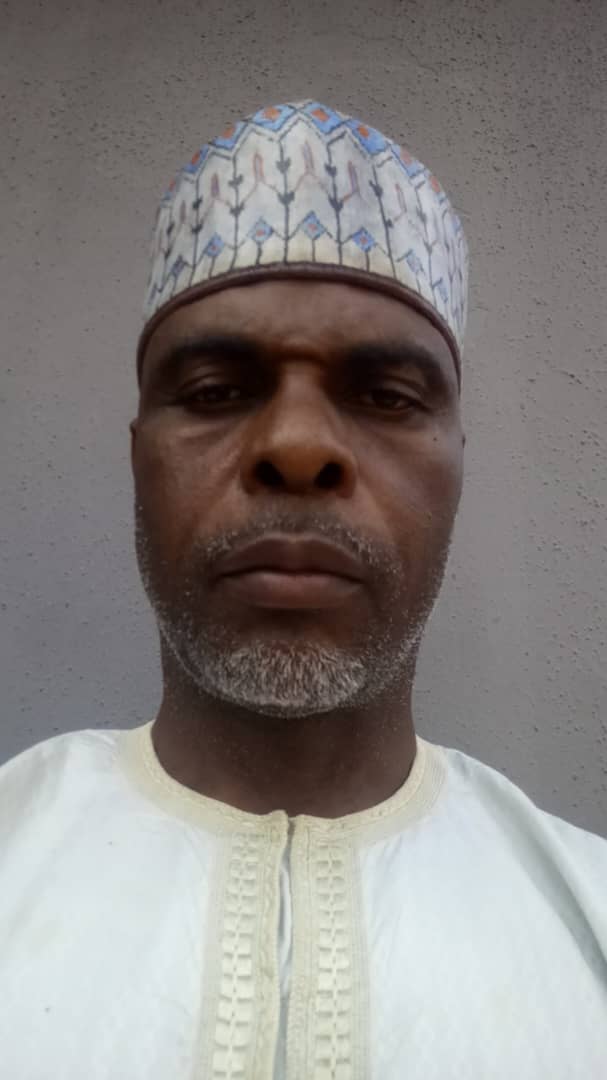
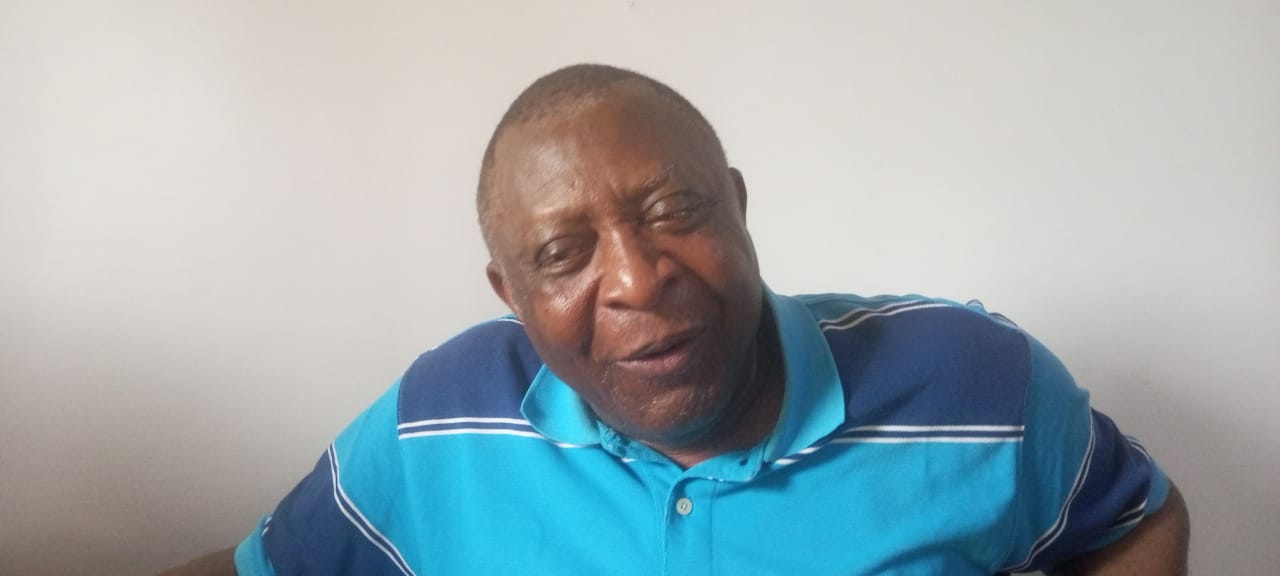
A United States-based Nigerian pharmacist, Mr. Victor Chike Obuekwe, has identified a combination of leadership failure, citizen indiscipline, weak institutions and poor infrastructure as the major factors responsible for Nigeria’s prolonged development crisis.
In an interview in Awka, Anambra State capital, Obuekwe argued that meaningful progress can only occur when both leaders and citizens embrace accountability.
He said the tendency to place all the blame on political leaders ignores the significant role ordinary citizens play in shaping the nation’s fortunes.
According to him, Nigeria’s development challenges are rooted in a culture of lawlessness and disregard for rules that cuts across different levels of society.
“When people are not disciplined, problems arise. Nigerians do not stop at traffic lights, they do not obey speed limits and some even drive on the wrong side of the road.
“Rules are not being obeyed in this country, and that is why Nigeria has remained where it is,” he said.
Beyond government functionaries
The pharmacist noted that while poor leadership has contributed to Nigeria’s challenges, the problem extends far beyond those in government.
“Leadership is also part of the lawlessness we have in Nigeria, but citizens themselves have contributed to dragging Nigeria down.
“Democracy is government of the people, by the people and for the people.
“When people do not respond properly to rules and regulations, especially when those responsible for enforcing the law fail to do their jobs, problems persist,” he said.
Obuekwe argued that the culture of impunity in which influential individuals and their families appear to be above the law has weakened public confidence in institutions and undermined accountability.
He maintained that discipline should be deliberately cultivated from childhood through the educational system, stressing that schools must play a greater role in shaping responsible citizens.
Drawing comparisons with advanced economies, he said societal progress is often built on adherence to rules, respect for institutions and equal treatment of citizens regardless of social status.
While acknowledging that leadership remains important, he insisted that Nigeria’s recovery would require a collective effort.
“Leadership alone is not enough. A leader may want things done properly, but others must carry out the work. Leadership cannot do everything,” he said.
Neglect of manufacturing sector
Obuekwe also blamed decades of poor policy choices for weakening Nigeria’s productive economy, particularly the manufacturing sector.
According to him, the country lost significant opportunities for industrial growth after many foreign companies exited the economy, leaving millions of Nigerians dependent on trading activities rather than production.
“People complain about unemployment, but where will the jobs come from if we do not manufacture?” he asked.
He noted that countries such as China, India and Taiwan successfully attracted industries and built manufacturing capacity over several decades, while Nigeria failed to sustain a similar trajectory.
Despite the challenges, Obuekwe expressed optimism that Nigeria can still reverse its fortunes if critical reforms are pursued.
Top among his recommendations is the urgent improvement of electricity supply, which he described as the foundation for industrialisation and economic growth.
“If you want to build refineries, factories or industries, you need reliable electricity.
“Power supply is number one,” he said, lamenting the continued reliance on generators by households and businesses across the country.
He also called for the election of competent leaders based on merit rather than inducements, warning that vote-buying continues to deny the country the quality leadership it desperately needs.
“Too often, people vote for politicians because they distribute rice or money. Good leaders are ignored,” he said.
The pharmacist further appealed to Nigerians in the diaspora to see themselves as potential partners in national development, saying many professionals and entrepreneurs abroad would willingly return to invest if the business environment improved.
“If Nigeria is fixed today, many Nigerians in America, the United Kingdom and other countries will come back. They will invest and make the country different from what it is now,” he said.
Corruption and bureaucratic inefficiencies
Beyond leadership and infrastructure, Obuekwe stressed the need to tackle corruption and bureaucratic inefficiencies that make everyday transactions difficult for citizens and investors.
Recalling one of his experiences during a visit to Nigeria, he described how he was compelled to part with money to resolve an unnecessary encounter with security officials, an experience that reinforced his belief that institutional reforms remain crucial.
According to him, citizens also have responsibilities in building a better country by rejecting corrupt practices, respecting the law and supporting reforms aimed at improving governance.
For Obuekwe, Nigeria’s path to development lies not in searching for a miracle solution but in fixing the fundamentals: enforcing discipline, strengthening institutions, ensuring reliable power supply, promoting productive industries and electing competent leaders.
“There should be hope for Nigeria. Everybody who is alive has hope because change can happen. Without change, there can be no progress,” he said.
As Nigeria continues to grapple with economic hardship, insecurity and governance challenges, his message serves as a reminder that the country’s future may depend not only on those who govern, but also on the willingness of citizens to embrace responsibility and demand accountability at every level of society.