The Anambra State Health Insurance Agency (ASHIA) has moved to review the compulsory use of the National Identification Number (NIN) for enrollment into the state health insurance scheme.
This follows concerns raised by AIDS, Tuberculosis and Malaria (ATM) Network in Anambra State over barriers affecting vulnerable patients.
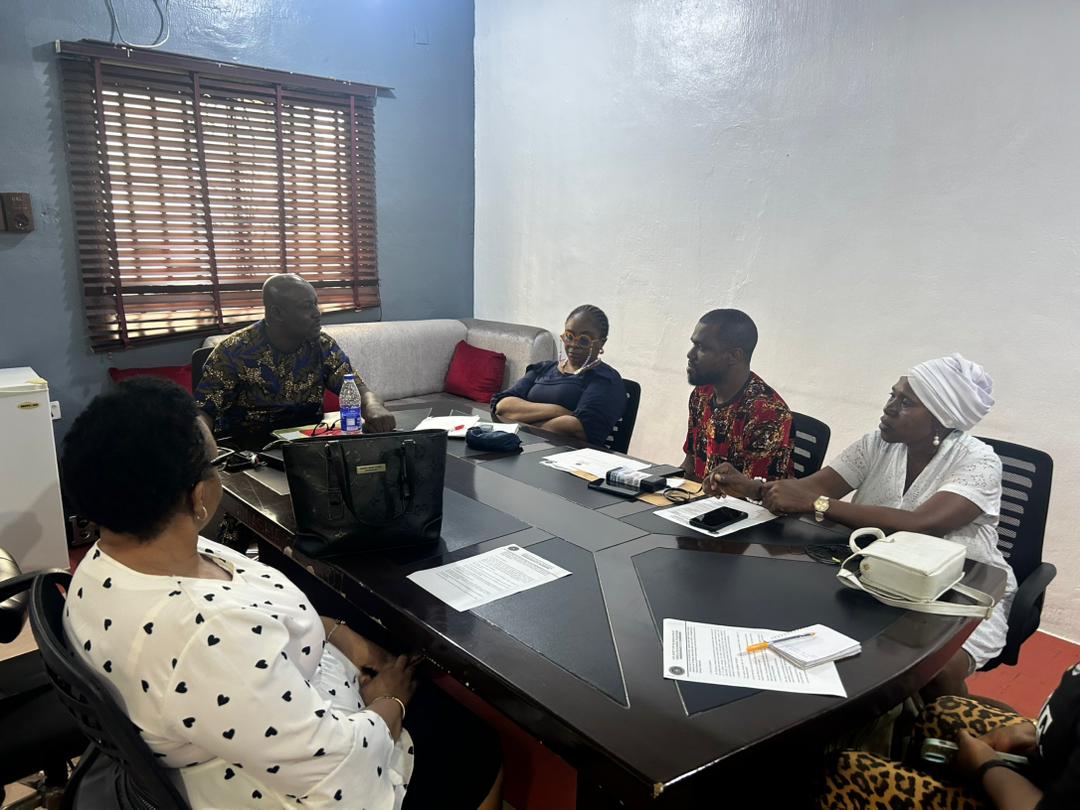
The ATM Network in Anambra State — comprising the TB Network, Network of People Living with HIV/AIDS in Nigeria (NEPWHAN), and Association for the Control of Malaria in Nigeria (ACOMIN) paid the visit to the Executive Director/Chief Executive Officer of ASHIA, Dr. Ezeka Augustine Uwaeme.
The meeting focused on strengthening TB patient enrollment into the ongoing Global Fund-supported health insurance pilot scheme and improving Primary Health Care (PHC) outcomes through collaboration and evidence generated from the Integrated Community-Led Monitoring (CLM) project supported by the Institute of Human Virology Nigeria (IHVN).
The team led by the State Coordinator of the TB Network, Ify Unachukwu, highlighted challenges affecting the enrollment of TB patients into the health insurance scheme, identifying the NIN requirement as a major obstacle for many vulnerable residents.
According to Unachukwu, several TB patients had either delayed or abandoned enrollment because they could not afford the cost of obtaining a NIN or were unable to provide it during registration.
She disclosed that the two-year health insurance pilot project was designed to provide comprehensive health insurance coverage for TB patients and their dependants in Anambra State.
Presenting progress reports, the team revealed that 382 Drug-Susceptible TB patients and 63 Drug-Resistant TB patients had been enrolled into the scheme as of the third quarter of 2025, although the figures remained below the project’s cumulative targets.
Low awareness
The ATM Network also identified low awareness of health insurance benefits, missed enrollment opportunities, and poor integration of community feedback into healthcare improvement processes as additional challenges affecting implementation.
The group urged ASHIA to strengthen collaboration with community structures to improve enrollment outcomes, data sharing, and PHC service delivery.
Among the proposals presented were the engagement of TB Network Linkage Coordinators to support enrollment at DOT clinics and PHCs, quarterly joint planning sessions using CLM data, and intensified awareness campaigns to encourage TB patients and their dependants to enroll in the scheme.
Responding, ASHIA Executive Director, Dr. Ezeka described the compulsory NIN requirement as a major encumbrance to healthcare access, particularly for poor and vulnerable citizens.
He questioned the rationale behind making healthcare access dependent on a process that many struggling residents could not afford.
Dr Ezeka noted that health insurance schemes perform better when more people are enrolled.
NIN is a discouragement
The ASHIA boss further observed that there had been several instances where residents abandoned enrollment because they could not obtain or present a NIN.
He directed the ASHIA Information Technology Unit to stop making NIN a compulsory field for enrollment into the Anambra State Health Insurance Scheme.
The ED stated that alternative legal means of citizen identification exist and should be explored to avoid placing financial burdens on vulnerable populations.
Dr. Ezeka also pledged to engage relevant national authorities on the issue and advocate reforms that would support inclusive enrollment for TB patients and other vulnerable groups.
The meeting resolved to strengthen collaboration between ASHIA and the ATM Network to improve TB enrollment, expand community awareness, and integrate CLM findings into PHC quality improvement efforts across the state.
The ATM Network pledged continued support for ASHIA through evidence-based advocacy, community mobilization, and monitoring mechanisms aimed at ensuring wider healthcare access and improved PHC outcomes in Anambra State.
Other team members include: Gladys Ezembu of NEPWHAN, Chioma Okeke of ACOMIN, and Onyekachi Ololo, State Program Officer of the TB Network.