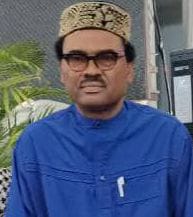
Prince Chris Azor
There is no doubt that Anambra State under the leadership of Prof. Chukwuma Charles Soludo has made visible progress in recent years. Roads are being built and rehabilitated, public institutions are receiving attention, and there is a clear push to position the State as a hub for innovation, skills and enterprise. These are important steps and they deserve recognition.
However, beneath these laudable gains, there is a quiet outcry spreading across the State. It is not always loud, but it is consistent and growing. In Awka, Onitsha, Nnewi and many rural Communities, families are under pressure in ways that can no longer be ignored. The hardship is real, and it is deepening.
In the markets, traders speak of prices that change almost without warning. Goods that were once affordable have become difficult to stock and even harder to buy. Transport costs continue to rise, affecting both movement and the final price of food and basic items. In many homes, three meals a day is no longer certain. Some families now manage with one or two. Others rely on credit or small favours to get through the week. Young people are increasingly anxious, not because they are unwilling to work, but because opportunities are tightening while the cost of living keeps climbing.
These experiences are not isolated. They reflect a wider pattern across the State. The causes are both global and local. The removal of fuel subsidies pushed up transportation costs and triggered a chain reaction across the economy. The floating of the naira reduced purchasing power and made goods more expensive, especially those tied to imports.
Global tensions, including the recent US- Iran crisis, have added further pressure through energy price instability. At home, familiar structural challenges remain. Farmers face rising costs and insecurity. Small businesses struggle with multiple levies and unreliable power. Supply chains are weak and easily disrupted.
All of this has combined to create a difficult environment for ordinary people. What is unfolding is more than inflation. It is a steady erosion of people’s ability to live with basic dignity.
What makes the situation more concerning is the absence of a clearly defined and fully operational social protection framework in Anambra State. Development is happening, but there is no structured safety net to cushion citizens when shocks like this occur. In times of stability, that gap may not be obvious. In times like this, it becomes painfully clear.
This is why the moment calls for urgent and deliberate social intervention. Other States are already taking steps to support their people in practical ways. Lagos State has combined its development efforts with interventions in transport and food systems to ease pressure on residents. Kaduna State has expanded targeted cash support for vulnerable households.
Oyo State is investing in food security while providing relief to those most affected by rising costs. Ekiti State has strengthened Community Based welfare systems that bring support closer to the people.
These examples show that development and social protection are not competing priorities. They are complementary. One builds for the future, the other protects the present.
Anambra has the capacity to respond in a way that reflects its strengths and realities. There is an urgent need to support vulnerable households so they can stabilize and avoid desperate choices. Engagement with market systems can help reduce the extreme volatility in food prices. Transport support can ease one of the most immediate burdens on daily life. Small businesses need breathing space to survive, as they remain the backbone of the state’s economy.
There is also value in working with existing Community structures. Town unions, Faith Based groups and Civil Society networks already have deep reach and can help ensure that support is delivered effectively and fairly. Their involvement would strengthen both impact and trust.
None of this diminishes the progress already made. In fact, it protects it. Development that does not effectively carry people along becomes fragile. When families are stretched to the limit, when livelihoods begin to collapse, and when hope starts to fade, the broader gains of development come under strain.
This is a defining moment for the State. The hardship across Anambra is visible in the markets, in the homes, and in the growing anxiety among young people. It is a silent outcry, but it is loud enough for those who choose to listen.
Anambra is building, and that is commendable. But it must now act to protect its people from sliding into deeper hardship and destitution. The time for a clear, structured and well funded social protection response is now.
Prince Chris Azor is a Citizen advocate and Chairman, Anambra Civil Society Network (ACSONet)
08032102294 (SMS Only)