In a state where maternal mortality and weak primary healthcare systems have long challenged public health outcomes, a quiet transformation is taking root. Across communities in Anambra State, a growing alliance between citizens and health officials is reshaping how primary healthcare centres (PHCs) function.
At the heart of this shift is the Strengthening Public Accountability for Results and Knowledge (SPARK 2) Project—a multi-partner intervention focused on empowering communities to demand and sustain better healthcare services.
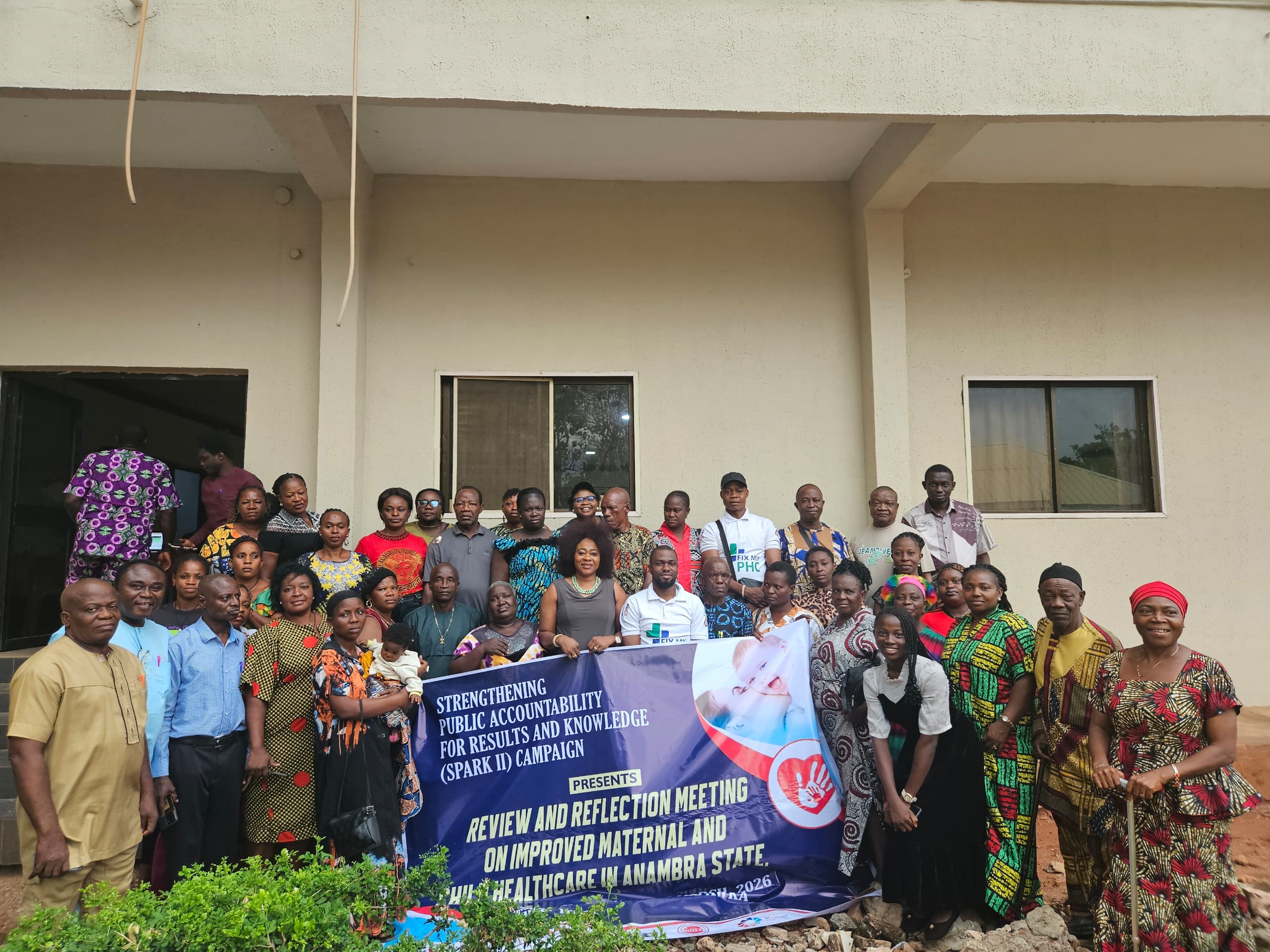
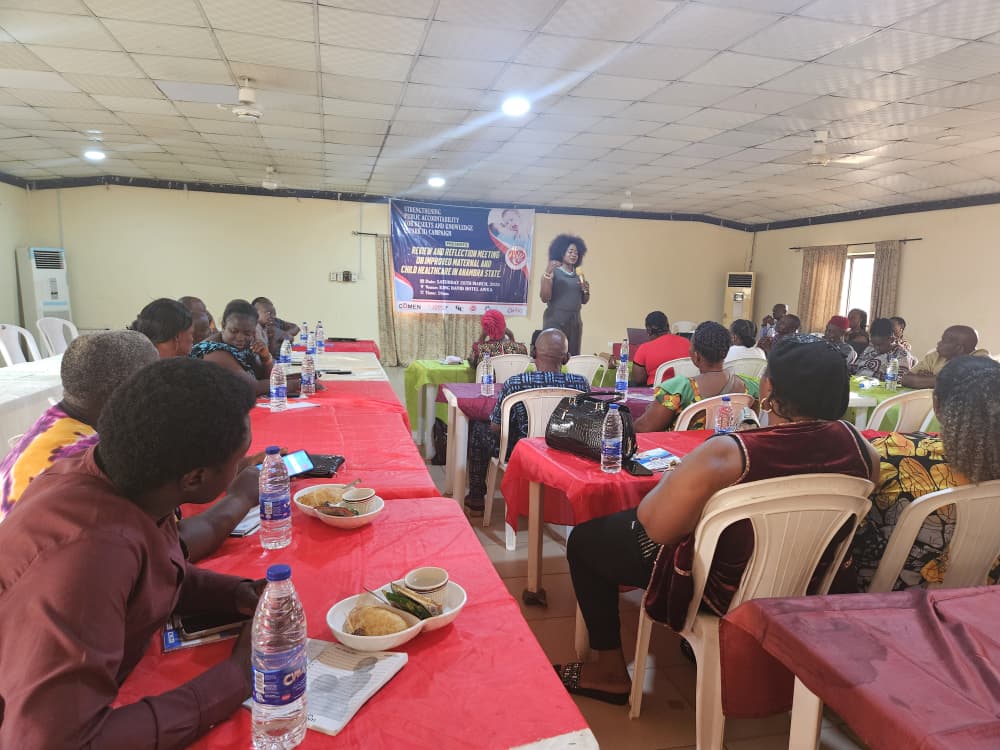
At a recent review and reflection meeting on PHC system strengthening organized by Justice Development and Peace Caritas (JDPC Nnewi) in partnership with Social and Integral Development Centre (SIDEC), stakeholders gathered to assess one year of progress under the SPARK 2 initiative.
The meeting, described as both timely and necessary, offered a platform to “harvest results,” evaluate impact, and map out future interventions.
Speaking at the event, Ugochi Ehiahuruike, Executive Director of SIDEC, one of the implementing organizations emphasized that the gathering was not just a routine review, but a deliberate effort to measure change.
According to her, although the core campaign ended in December, an additional three-month extension allowed partners to deepen engagement and consolidate gains.
“What we are doing here is taking stock—understanding what has worked, what has changed, and what needs to happen next,” she explained.
A central pillar of the SPARK 2 intervention has been capacity building at the grassroots level.
Community members, particularly those in Ward Development Committees (WDCs), were trained on leadership, accountability, and effective engagement with government actors. This shift in approach has already begun to yield results.
Closer relationship
Participants reported improved relationships between community representatives and Officers-in-Charge (OICs) of PHCs. Where there was once tension or disconnect, there is now collaboration. Health officials, in turn, have responded positively, acknowledging that community actors are complementing their efforts rather than opposing them.
This evolving dynamic is critical in a system where trust has often been fragile.
Onyekachi Ololo, Programme Manager for SPARK at JDPC Nnewi, highlighted the project’s strong focus on maternal and child health.
He noted that Nigeria’s high maternal mortality rate remains a major concern, one the project seeks to address through community-driven accountability.
The SPARK 2 Project, supported by the International Budget Partnership, is implemented in Anambra by four partners — JDPC Nnewi, SIDEC, the Civil Rights Concern (CRC), and the Community Empowerment Network (COMEN).
“Together, they are working to bridge the gap between policy and practice in healthcare delivery.
“We are building the capacity of community members to understand what services should be available at PHCs, to track health budgets, and to report gaps to those responsible,” Ololo said.
”Through this process, communities have begun to uncover root causes of poor health outcomes—from gaps in service delivery to harmful practices such as unsafe abortions and unregulated traditional birth services. These insights are now informing targeted advocacy and interventions.
“Another significant outcome of the project is increased community participation. WDCs are becoming more active in monitoring healthcare services, reporting issues, and engaging authorities.
“This has led to quicker responses to emerging problems and a stronger sense of shared responsibility.
For many community members including Ijeoma Okafor, Chairperson of WDC 7 in Woliwo, Onitsha, the project has been “eye-opening and impactful.”
Awareness spreading
“Awareness has spread beyond health committees to include local leaders, clergy, and government officials and our health centres are talking about SPARK 2 project. People are testifying to the impact.”
In Ogbaru Local Government Area, similar sentiments were echoed by COMEN Coordinator, Innocent Omebu.
“While past interventions often failed due to lack of ownership, SPARK 2 is different because it place communities at the centre, fostering a sense of responsibility and inclusion.
“However, we need the intervention to be extended to rural communities in Ogbaru which still suffer neglect from government.
Sustaining these gains will require continued effort in terms of increasing health-seeking behaviour, especially among pregnant women.
Stakeholders stressed the need to encourage early antenatal care and reduce out-of-pocket health expenses through government-supported programs.
Equally important is the call for inclusivity in leadership. Advocacy for greater female representation in WDC leadership roles is gaining momentum, seen as a pathway to more responsive and community-oriented healthcare governance.
As the SPARK 2 Project moves into its next phase, one message stands clear: strengthening primary healthcare is not just about infrastructure or funding—it is about people.
“When communities are informed, empowered, and engaged, they become powerful agents of change,” Ehiahuruike said.
And in Anambra State, that change is already underway.