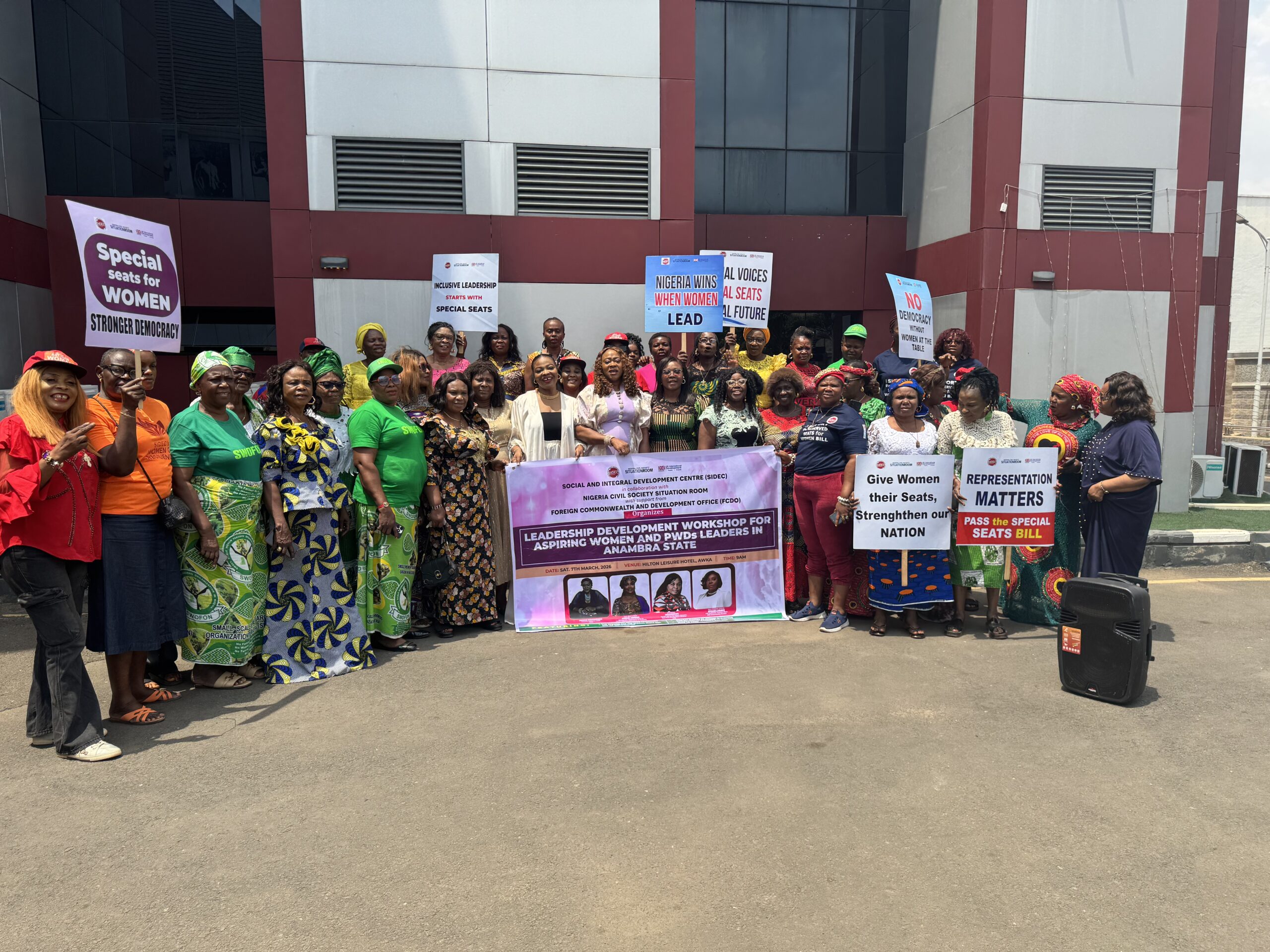
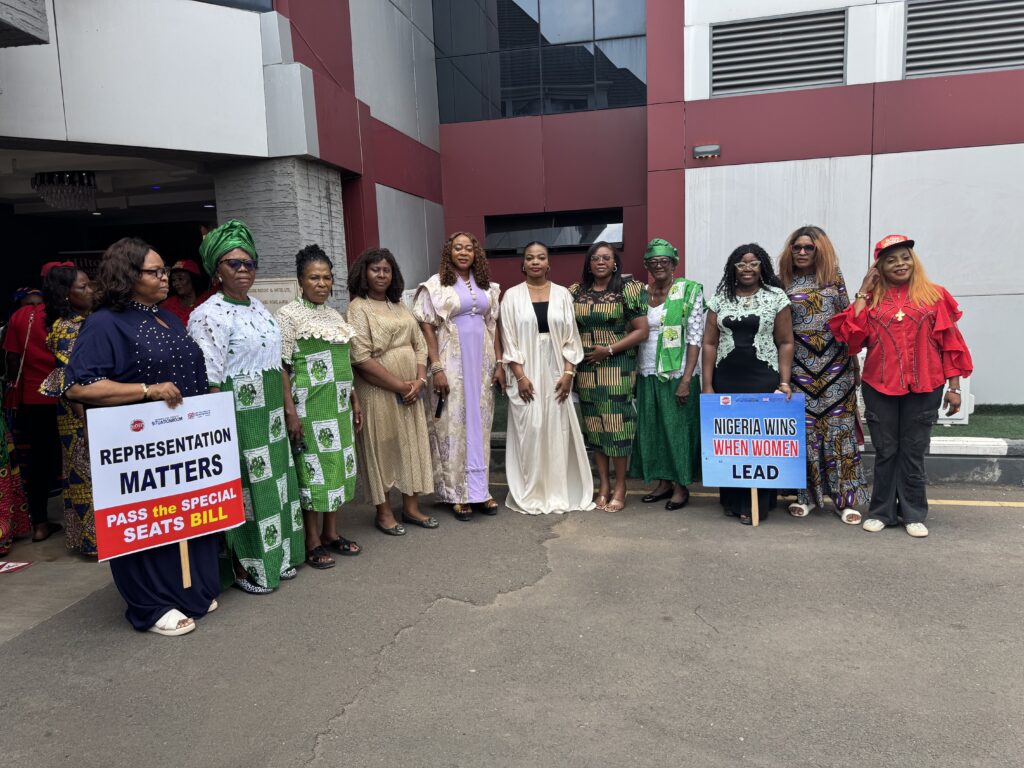
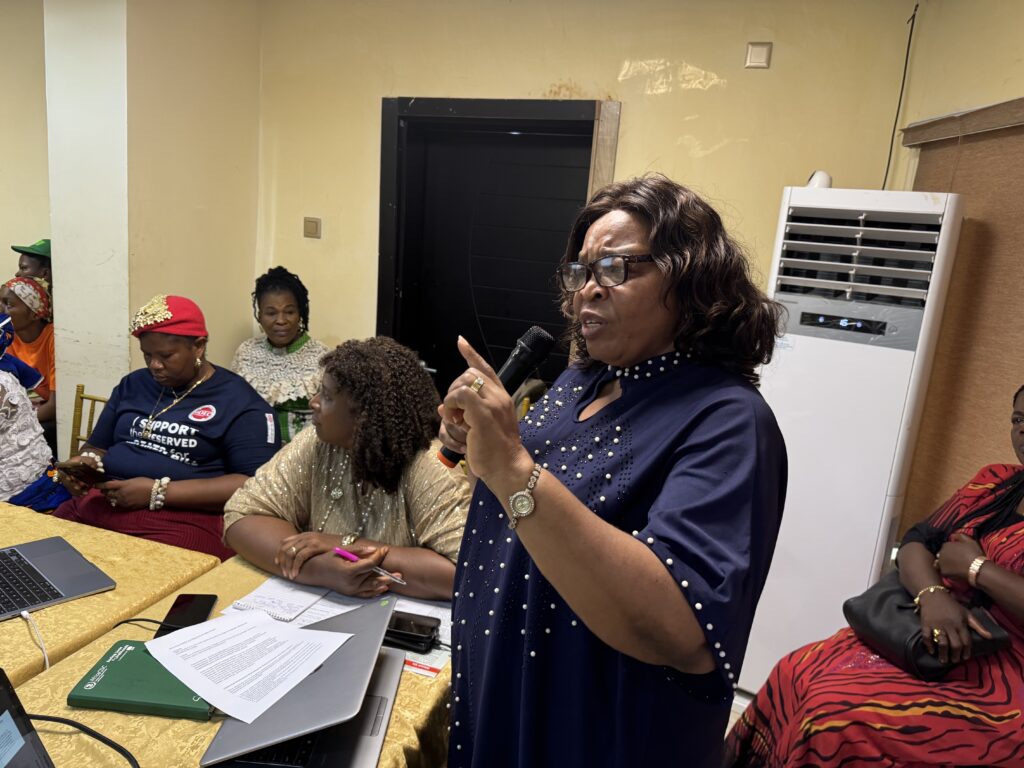
The Social and Integral Development Centre, (SIDEC) has organized a one-day Leadership Development workshop for aspiring women and Persons with disabilities PWDs leaders in Anambra State.
SIDEC organized the workshop organized under its Inclusive Mobilization for Participation, Advocacy, and Civic Transformation, (Project IMPACT) being implemented in collaboration with the Nigeria Civil Society Situation Room, with funding support from the UK Foreign, Commonwealth and Development Office (FCDO).
Addressing participants, SIDEC Executive Director, Ugochi Ehiahuruike, said the Leadership development workshop is a critical part of Project IMPACT which aims at increasing the participation of women, youth, and persons with disabilities (PWDs) in governance across Anambra and Imo States.
“A key component of the project is its engagement with communities and markets, building on SIDEC’s inclusive governance work across Anambra’s 158 structured markets where large numbers of eligible voters—particularly women and young people who make up most traders, apprentices, and market workers—are concentrated.
Leadership development workshops are organized for aspiring women and PWD leaders in selected markets to strengthen leadership capacity, confidence, and political participation while promoting support for the Special Seats Bill.
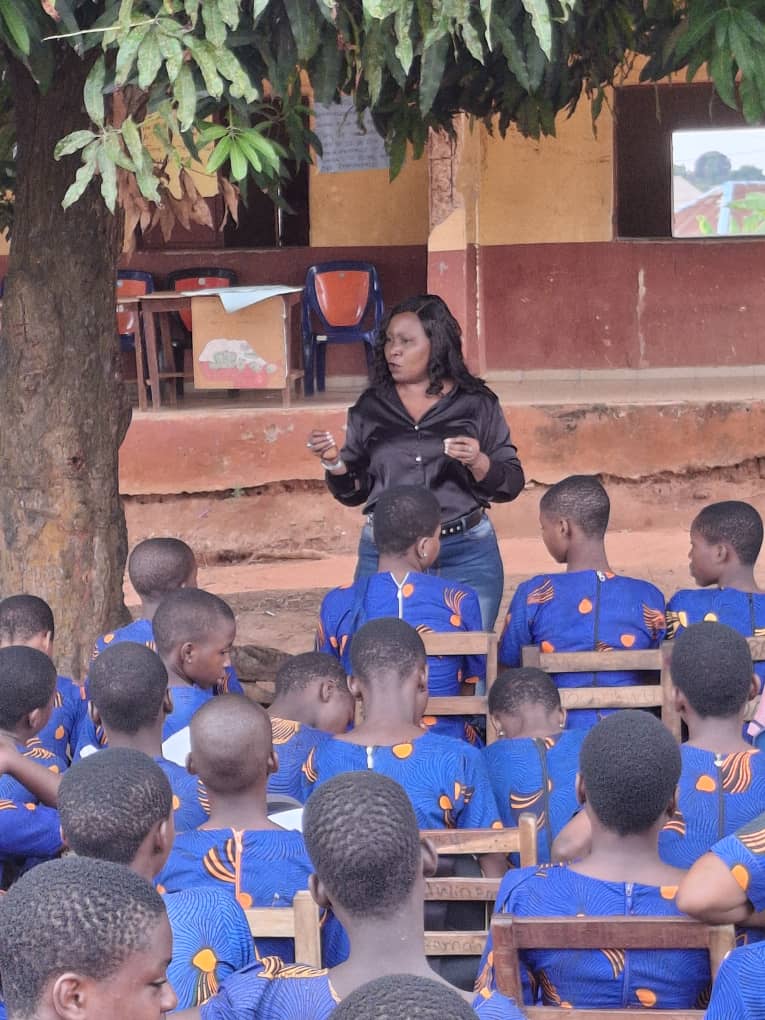
In a presentation, Ehiahurike also enumerated the skills needed for effective leadership to include: conceptual skills, technical skills and social skills.
According to her, inclusive leadership is needed in a diverse world. “Inclusion is about creating an environment where everyone can be themselves, feel that they are able to contribute their views and that these will be valued.
Special seats bill
Chioma Ifemeludike, the African Action Congress (AAC) candidate in the November 8 Anambra governorship election, in a presentation urged stronger support for the Special Seats Bill currently before the National Assembly.
She stressed that women in Anambra and across Nigeria are capable of occupying any elective office.
Speaking on her political journey, Ifemeludike noted that courage, integrity, and clear motive guided her throughout the race against prominent candidates such as incumbent Governor Prof. Chukwuma Soludo and Prince Nicholas Ukachukwu.
Describing women’s representation in politics as “abysmal,” she noted that women hold less than five percent of seats in the National Assembly, calling for intensified advocacy, media support, protests, and rallies to ensure the bill is passed before the 2027 elections.
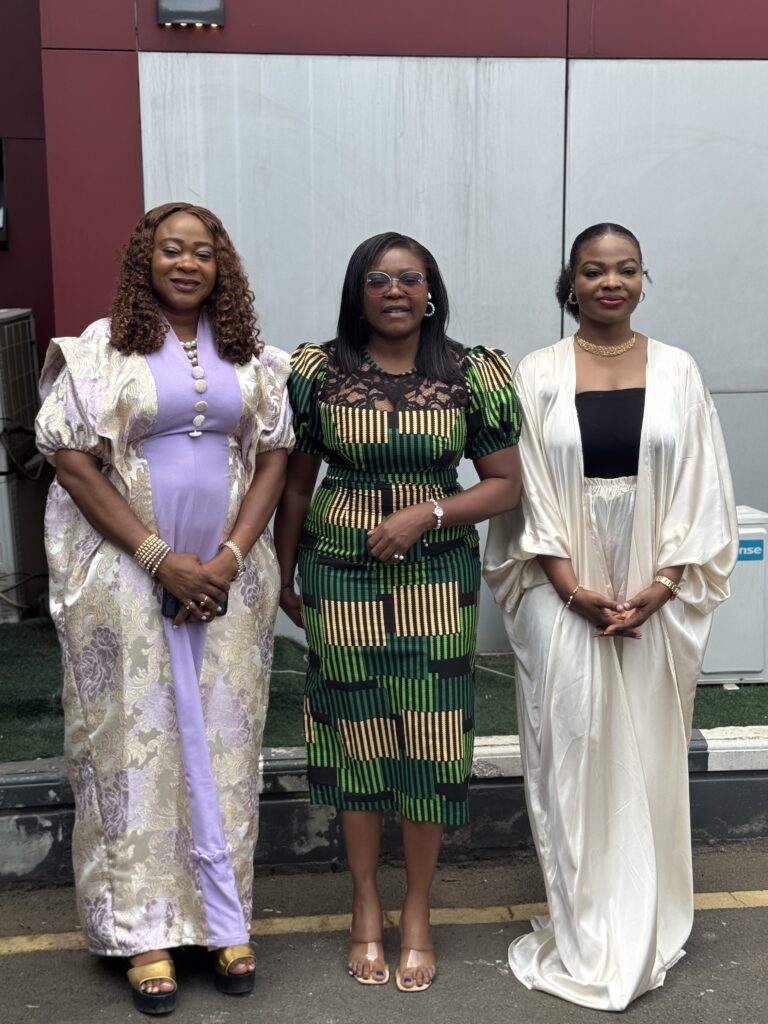
Presenting a paper on inclusive leadership, the roles of women and PWDs in governance, a member of Anambra State House of Assembly, Mimi Azikiwe, called on women to confront societal barriers that limit their participation in leadership and public life.
Azikiwe who represents Onitsha North 1 constituency stressed that being wives, daughters, and caregivers should not prevent women from pursuing their ambitions.
“Women need to tell themselves the truth. We are treated as second-class citizens because the society was created to work for men. Our job is to nurture, care for, serve and all that.
Women have dreams, ambitions
“But outside of that, we’re also individuals with ambitious dreams and aspirations and both of them must not be mutually exclusive.
The fact that we are women, wives, sisters, and daughters does not stop us from being business-like, becoming millionaires and powerful politicians.”
Azikiwe emphasized the need to address structural barriers such as limited access to funding, weak political networks, and cultural expectations that discourage women from aspiring to leadership.
“Women must intentionally build networks, seek mentorship, and develop the confidence needed to compete in politics and other sectors.
She also highlighted the importance of inclusion for persons with disabilities, noting that many are highly capable but face discrimination and poor infrastructure that limits their opportunities.
Azikiwe argued that solidarity is essential in the struggle for equal representation and leadership opportunities in society.
Successful women leaders
In a presentation on “Success Stories of Women in Elective and Appointive Positions in Nigeria”, a media consultant, Ify Unachukwu lauded pioneers like Margaret Ekpo, a nationalist and women’s rights advocate who mobilized women politically and became one of the first women elected into public office.
“Her activism laid the foundation for women’s participation in governance and public decision-making.
“Women in Nigeria have made significant contributions to governance and public service despite persistent barriers limiting their political representation.
“Another is the late Dora Akunyili, whose leadership at NAFDAC led to a major crackdown on counterfeit drugs, reforms that “strengthened regulatory enforcement, saved lives, and restored public confidence.”
“Similarly, Ngozi Okonjo-Iweala, former finance minister and current WTO Director-General, played a key role in securing Nigeria’s historic debt relief and promoting fiscal transparency.
Other notable figures include Virginia Etiaba, Nigeria’s first female governor, and Uche Ekwunife, a legislator known for constituency development.
Despite these successes, Unachukwu notes that cultural barriers, high campaign costs, political violence, and male-dominated party structures continue to limit women’s participation in Nigerian politics.
Goodwill messages were delivered by the Permanent secretaries, Ministries of Women Affairs and Agriculture, Mrs Chinwe Achugbu and Mrs Ify Uzoka as well leaders of various women groups including market women, smallholder women farmers among others.