As the world marks International Women’s Day (IWD) 2026, the AIDS Healthcare Foundation (AHF) Nigeria has called for stronger action to dismantle barriers that continue to undermine the health, rights and opportunities of women and girls, particularly in the fight against HIV/AIDS.
The organisation said that while progress has been made globally, women and girls remain disproportionately affected by HIV, especially in sub-Saharan Africa where they account for more than 60 percent of new infections.
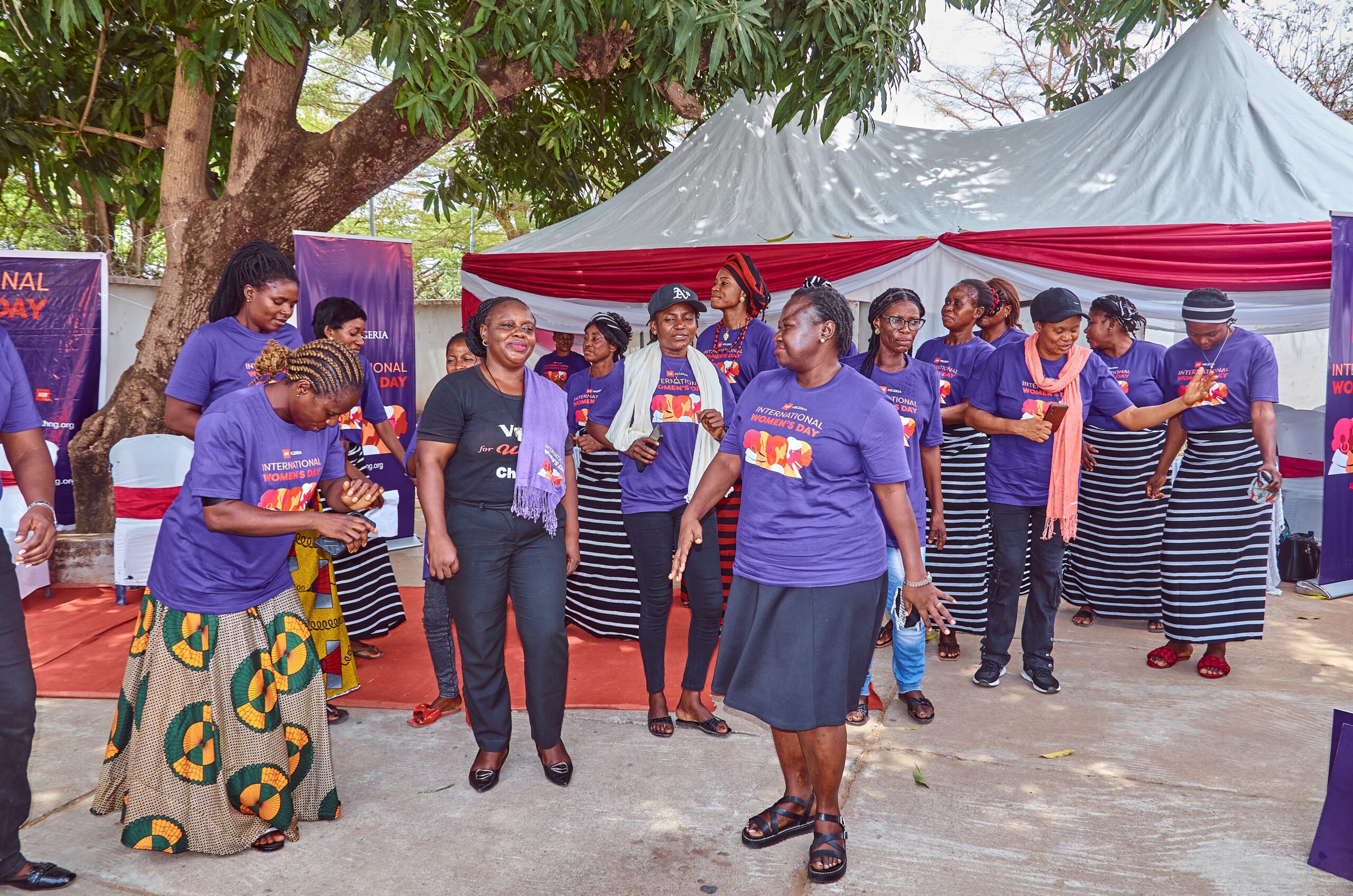
In solidarity with women worldwide, AHF Nigeria will commemorate this year’s IWD on March 9 across its operational states—Federal Capital Territory, Akwa Ibom State, Anambra State, Benue State, Cross River State, Kogi State, and Nasarawa State—with activities aimed at highlighting the urgent need to address gender inequalities that worsen women’s vulnerability to the disease.
According to the organisation, factors such as gender-based violence, limited access to healthcare, reproductive health restrictions, economic inequality and lack of education continue to deepen the challenges faced by women and girls.
Access to affordable menstrual health products and comprehensive sexual and reproductive health education also remains out of reach for millions of girls, affecting their dignity, mobility and opportunities.
To address these challenges, AHF Nigeria will organise Continuous Medical Education (CME) sessions for healthcare workers across more than 156 health facilities where the organisation provides services in the seven states.
Focus of training
The training will focus on the gendered nature of the HIV/AIDS pandemic and equip frontline health workers with strategies to better support women—particularly those living in rural communities—so they can navigate the challenges associated with the disease and improve their wellbeing and livelihoods.
Country Programme Director of AHF Nigeria, Dr. Echey Ijezie, said the organisation remains committed to placing women and girls at the centre of its interventions.
“AHF Nigeria places enormous value on women and girls in society, and that is why our programmes are anchored around impacting women and young girls,” he said.
“We will continue to prioritise issues affecting women as we call on leaders, policymakers and communities to turn their commitments into action to accelerate development for women and young girls.”
The organisation also stressed that empowering women has far-reaching benefits for families, communities and societies at large.
Under its 2026 IWD campaign theme, “Give to Gain,” AHF emphasised the importance of collective responsibility in supporting women and girls.
Investing in women’s health
According to the organisation, when governments, institutions and communities invest in women’s health, education and economic empowerment, the entire society benefits.
Beyond advocacy, AHF said it is strengthening programmes that directly support women and girls, including expanding access to HIV prevention, testing and treatment services.
It is also distributing free menstrual hygiene products and supporting initiatives aimed at preventing gender-based violence.
The organisation noted that these interventions are essential to ensuring that women and girls can live healthy and empowered lives.
As the global community reflects on the gains and challenges in advancing women’s rights, AHF Nigeria urged governments and stakeholders to move beyond promises and take concrete steps that will eliminate the inequalities holding women back.
“When women thrive, we all rise,” the organisation said, reiterating that meaningful investment in women’s health and empowerment remains critical to ending the HIV epidemic and achieving sustainable development.