Alfred Ajayi
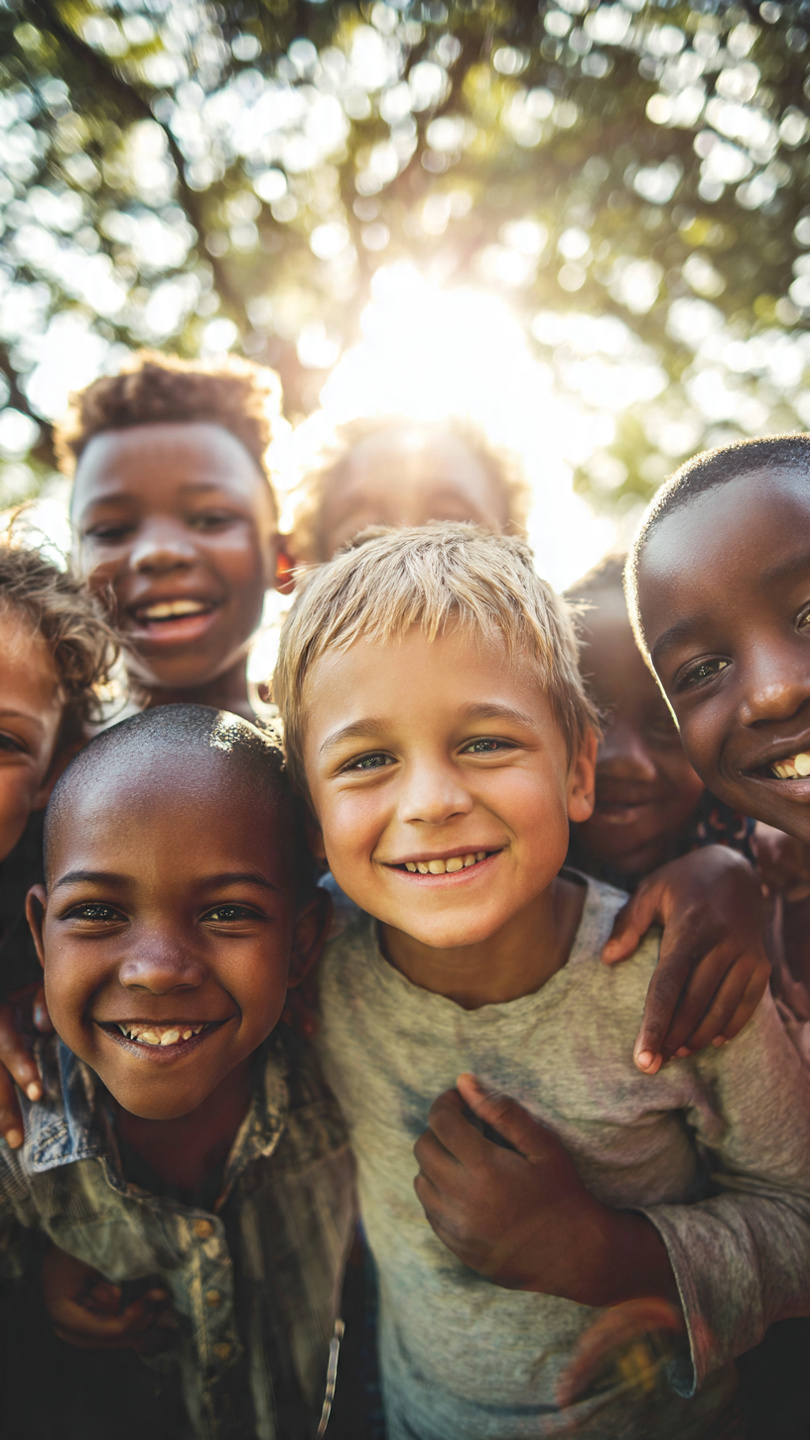
Every year on May 16, the world observes the International Day of the Boy Child, a growing global movement dedicated to recognizing the unique challenges, emotional needs and enormous potential of boys in society.
While the world has devoted much attention over the years to promoting the rights and advancement of girls, this observance seeks to ensure that boys are not neglected in conversations around child development, education, mental health and social responsibility.
Dr. Jerome Teelucksingh, a gender issues scholar and lecturer from Trinidad and Tobago, founded the International Day of the Boy Child in 2018 after reviving International Men’s Day in 1999.
The first official commemoration took place on May 16, 2018, following a global call by the scholar to governments, organizations and communities to begin paying deliberate attention to the well-being of boys.
The day is not compete with the International Day of the Girl Child, which the United Nations officially recognizes every October 11. Rather, it is to complement global efforts toward achieving balanced child development and true gender equality.
Advocates of the observance believe that a society that empowers girls while neglecting boys risks creating another social imbalance with long-term consequences.
Since its inception, the International Day of the Boy Child has gained increasing recognition across Africa, Europe, the Caribbean and other parts of the world.
Governments, schools, faith-based organizations and civil society groups now use the day to promote conversations around boys’ education, emotional well-being, mentorship, healthy masculinity and leadership development.
The 2026 commemoration comes at a particularly critical time in Nigeria and across Africa, where many boys are battling identity crises, social neglect, violence, substance abuse and emotional isolation.
Focus for the year
This focus could not be more relevant within the Nigerian context. Across many communities in Nigeria, boys are often raised under harmful stereotypes that discourage emotional expression and healthy communication.
From an early age, many are taught that “real men do not cry” or that vulnerability is a sign of weakness. As a result, countless young boys grow up suppressing emotions, battling silent depression and struggling to seek help when faced with trauma or emotional pain.
At the same time, economic hardship, peer pressure, cultism, drug abuse, cybercrime and social media influence continue to threaten the future of many Nigerian boys.
In some parts of the country, boys are exposed to violence, child labour and street life at very young ages, while others drop out of school due to poverty and lack of mentorship.
The International Day of the Boy Child therefore serves as a wake-up call to families, schools, religious institutions and policymakers to become more intentional about raising boys with discipline, empathy, vision and purpose.
Nigeria must begin to see the boy child not as emotionally invincible, but as a human being who also needs guidance, encouragement and protection. A boy who is properly mentored today is more likely to become a responsible father, productive citizen and compassionate leader tomorrow.
Parents have a major role to play in this process. Beyond providing food and shelter, parents must create safe environments where boys can speak openly about their fears, challenges and dreams without judgment. Fathers especially must become more present in the lives of their sons by modelling integrity, respect and accountability.
Schools must also strengthen moral and emotional education by introducing mentorship programmes, counselling support and anti-bullying initiatives that help boys develop confidence and healthy relationships.
Religious bodies also critical
Religious bodies and community leaders should equally use their platforms to promote positive masculinity rooted in character, responsibility and respect for others.
Government institutions and non-governmental organizations must invest more in youth-focused programmes that provide skills acquisition, education support, sports development and mental health awareness for boys.
There is also a growing need for policies that address school dropout rates, substance abuse and violence affecting young males across the country.
Importantly, celebrating the boy child does not diminish the importance of the girl child. Both deserve equal opportunities, care and support.
A balanced society is built when boys and girls are raised to become emotionally healthy, educated and socially responsible adults.
As Nigeria marks the 2026 International Day of the Boy Child, the message must remain clear: boys equally matter. Their voices, dreams and emotional well-being matter.
The future of any nation depends greatly on the quality of the boys it raises today. If society fails to guide them with wisdom, discipline and compassion, the consequences will eventually affect families, communities and national development.
This is the time to raise boys who are not only strong in body, but also strong in character, emotionally intelligent, respectful and purpose-driven.
The boy child must not be ignored, silenced or abandoned. He must be seen, heard, guided and empowered to become the very best version of himself.
Alfred Ajayi works with the Federal Radio Corporation of Nigeria.