Emma Elekwa
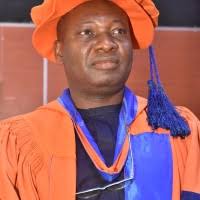
A public health expert Professor Dennis Aribodor has called on all tiers of government in Nigeria to urgently intensify efforts toward malaria control and eventual elimination.
The Public Health Parasitology expert at Nnamdi Azikiwe University, Awka made the call in a statement in commemoration of World Malaria Day 2026 with the theme “Driven to End Malaria: Now We Can. Now We Must,”
He said the commemoration should move beyond rhetoric to decisive political and financial commitment by government at local, state and federal levels.
Aribodor stressed that ending malaria in Nigeria requires strong political will, adequate funding, and sustained community mobilisation.
He insisted that leadership must come from the highest levels of government, including the President, state governors and local government chairmen.
According to him, Nigeria continues to bear the highest global malaria burden, accounting for about 27 percent of global cases and deaths.
Citing the World Health Organisation’s 2025 World Malaria Report, Aribodor said the world recorded over 280 million malaria cases and more than 600,000 deaths in the previous year, with Nigeria contributing a significant share.
Most vulnerable population
He said, “Children under five years and pregnant women remain the most vulnerable groups, while malaria continues to cause school absenteeism, reduced productivity, anaemia, complications in pregnancy, low birth weight, and preventable deaths.
“Malaria also worsens poverty by draining household income and trapping families in a cycle of illness and economic hardship.
“Despite the burden, malaria is both preventable and treatable, adding that several countries have successfully eliminated the disease.”
The expert further cited World Health Organisation certification of 45 countries and one territory as malaria-free as of April 2026, following at least three consecutive years of zero indigenous transmission.
In Africa, he highlighted recent successes including Cape Verde (2024), Egypt (2024), and Algeria (2019), describing Algeria’s achievement as historic after eliminating a disease first recorded in the country in 1880.
“Nigeria, as Africa’s giant, should be in the league of malaria-free countries,” Aribodor said.
He urged the country to mobilise resources and political commitment to replicate such successes.
Aribodor outlined a range of proven malaria control tools available for immediate deployment, including long-lasting insecticidal nets, indoor residual spraying, and larval source management.
Prevention from proper diagnosis
Others include seasonal and perennial chemoprevention, malaria vaccines, rapid diagnostic testing, artemisinin-based combination therapies, intermittent preventive treatment in pregnancy, and mosquito repellents.
He emphasised that prevention should begin with proper diagnosis, noting that treatment must always follow confirmed testing.
Aribodor called for increased budgetary allocation to malaria control programmes, timely release of funds, engagement of experts, and coordinated community-based interventions with clear timelines and measurable outcomes.
“With all these tools available, Nigeria has no excuse. The time to act is now. Driven to end malaria: now we can. now we must,” he said.
Aribodor is the founder of the Malaria Eradication and Safe Health Initiative of Nigeria (MESHI) and serves as Southeast Zonal Coordinator of the Civil Society in Malaria Control, Immunization and Nutrition (ACOMIN).