
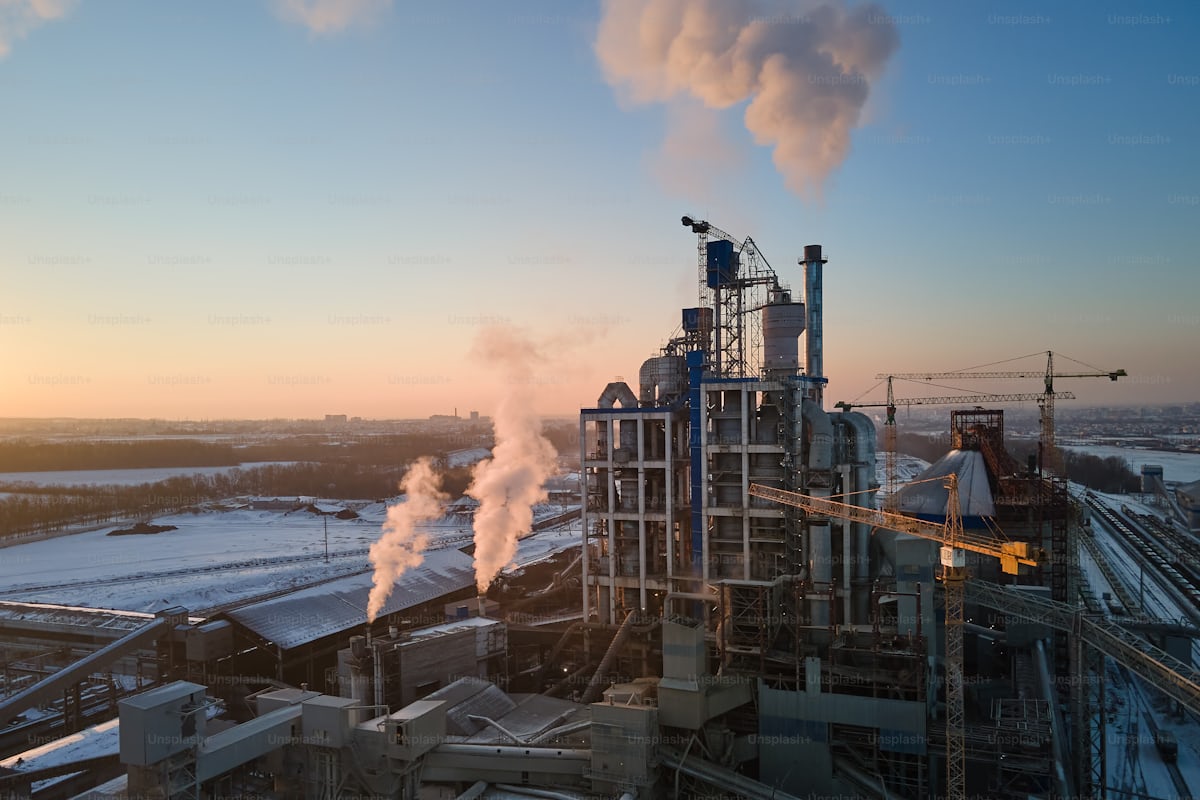
The sudden spike in the pump price of petroleum products once again exposes a troubling paradox at the heart of Nigeria’s economy: a country richly endowed with crude oil resources yet chronically vulnerable to fuel price shocks. The latest surge in petrol and diesel prices has triggered anxiety among citizens already grappling with inflation, rising transportation costs and declining purchasing power. Beyond the immediate economic pain, the development raises deeper questions about Nigeria’s structural dependence on external market forces and the fragility of its domestic refining capacity.
At the global level, geopolitical tensions have played a significant role in driving the recent volatility in oil prices. The escalating conflict involving Iran, Israel and the United States has heightened fears of disruptions to global crude supply, particularly through the Strait of Hormuz — one of the world’s most strategic oil transit routes. Past experiences have shown that any threat to oil shipments passing through this corridor often sends shockwaves across international energy markets. Investors respond quickly, pushing crude prices upward in anticipation of supply shortages.
For countries heavily reliant on imported refined petroleum products, such developments translate almost immediately into higher domestic fuel prices. Nigeria, despite being Africa’s largest crude oil producer, unfortunately falls into this category. For decades, the country has exported crude oil while importing most of its refined fuel. This contradiction has continued to haunt its economy.
Far-reaching implication
The implication of a sudden hike in pump prices is immediate and far-reaching. Transportation costs rise almost instantly, affecting both public and private mobility. Commercial drivers typically adjust fares upward to compensate for the higher fuel costs, and this increase cascades across the supply chain. Also, food prices, already sensitive to transportation logistics, begin to climb. Manufacturers and small businesses that rely on diesel-powered generators face higher operational costs. Consumers eventually bear the brunt through increased product prices.
The result is a renewed wave of inflationary pressure that deepens economic hardship for millions of Nigerians. At the household level, families already battling high food prices and unemployment are compelled to cut back on basic needs. For many small-scale entrepreneurs — transport operators, artisans and petty traders, fuel costs directly determine whether their businesses remain viable.
The recurring nature of these shocks reveals a deeper structural weakness – Nigeria’s inability to refine enough petroleum products domestically. For years, the country depended on four state-owned refineries located in Port Harcourt, Warri and Kaduna. These facilities were established to meet a significant portion of the nation’s fuel demand have suffered decades of mismanagement, poor maintenance and corruption. As a result of these, they are largely non-functional despite billions of dollars reportedly spent on turnaround maintenance over the years.
Perpetual importation
This reality forced Nigeria into the costly practice of importing refined petroleum products, exposing the country to fluctuations in global prices and foreign exchange pressures. The situation is further complicated by the removal of fuel subsidies, a policy aimed at reducing fiscal pressure on government finances. While subsidy removal was widely acknowledged as economically necessary, it also meant that Nigerians would be more directly exposed to international oil price dynamics. Without strong domestic refining capacity, every global shock — whether geopolitical or market-driven translates more quickly into local pump price adjustments.
In recent times, hope has emerged with the commencement of operations at the massive privately owned Dangote Refinery, widely regarded as the largest single-train refinery in the world. With a projected refining capacity of 650,000 barrels per day, the facility is expected to significantly reduce Nigeria’s dependence on imported fuel once it operates at full capacity.
Dangote Refinery remains Nigeria’s only major functional refining facility. While its presence represents a major milestone, relying largely on a single refinery to supply a nation of over 200 million people presents its own risks. Any operational disruption could have significant implications for fuel supply and pricing.
Moreover, the broader refining ecosystem in Nigeria is still evolving. Modular refineries are emerging, but their capacities remain relatively small compared to national demand. The government has repeatedly promised to revive the state-owned refineries, yet progress has been slow and uncertain.
Diversified refining capacity
The implication is clear: until Nigeria achieves a robust and diversified refining capacity, fuel price stability will remain elusive. Energy analysts argue that the long-term solution lies not only in refining more petroleum products locally but also in diversifying the country’s energy mix. They maintain that investments in alternative energy sources such as gas, solar and other renewables could gradually reduce Nigeria’s dependence on petrol and diesel.
Equally important is the need for transparent and efficient management of the oil sector. Nigeria’s status as a leading oil producer should ideally translate into energy security for its citizens, not recurring economic shocks.
For now, however, the latest surge in pump prices serves as another reminder of the fragile link between global geopolitics and everyday life in Nigeria. Until structural reforms in the refining sector are fully realized, Nigerians may continue to feel the ripple effects of conflicts thousands of kilometres away.