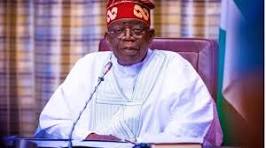
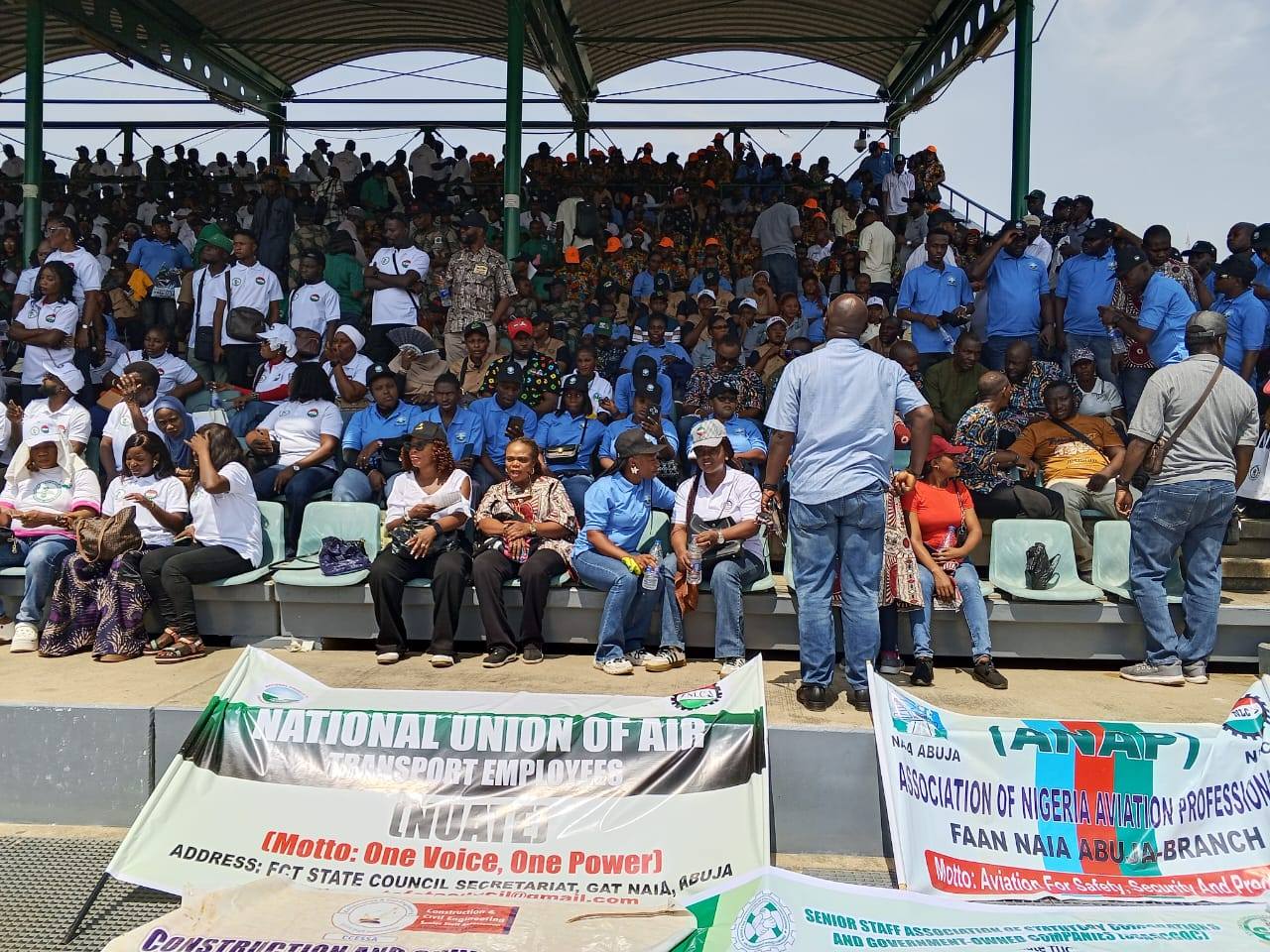
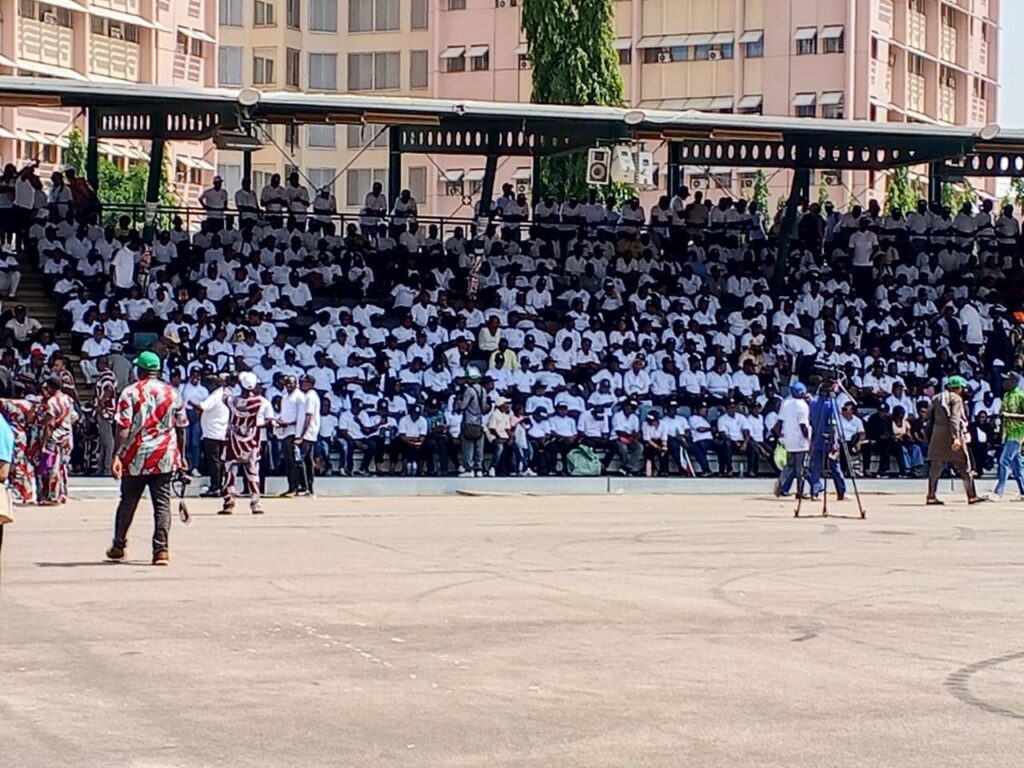
Every year on May 1, Nigeria joins the rest of the world to mark International Workers’ Day—a day meant to celebrate the dignity of labour and the contributions of workers to national development.
Yet, beyond the colourful parades, solidarity songs, and carefully worded speeches by government officials, a harder truth persists: for millions of Nigerian workers, there is very little to celebrate.
The gap between rhetoric and reality has become a defining feature of workers’ welfare in Nigeria. While leaders routinely praise workers as the “engine room of the economy,” policies and practices often fail to reflect that recognition.
The issue of minimum wage is perhaps the most glaring example. Despite periodic reviews and agreements between labour unions and the government, implementation remains inconsistent and, in some cases, outright ignored.
Several state governments have either delayed or outright refused to pay the approved minimum wage, citing revenue constraints. This has created a fragmented system where a worker’s income—and by extension, quality of life—depends heavily on geography rather than a nationally agreed standard.
In a country grappling with rising inflation, currency instability, and increasing cost of living, failure to implement a living wage is not just an administrative lapse; it is a direct assault on workers’ dignity.
Even where minimum wage is implemented, it often falls short of economic realities. The rapid rise in food prices, transportation costs, rent, and basic services has rendered wages insufficient.
For many Nigerian workers, particularly those in the public sector, salaries are exhausted within days of payment, forcing them into debt or side hustles to survive. The concept of a “living wage” remains largely theoretical, despite being central to meaningful labour reform.
Unpaid arrears
Beyond the minimum wage, another troubling issue is the accumulation of unpaid arrears. Wage awards—introduced as temporary relief measures to cushion economic hardship—are frequently owed for months.
Promotions are delayed without corresponding salary adjustments, and pension contributions are sometimes mismanaged or unpaid. These systemic failures erode trust between workers and the state, breeding frustration and, at times, industrial action.
The private sector, while often more agile, is not without its challenges. Informal employment dominates Nigeria’s labour landscape, leaving millions without job security, health benefits, or legal protection.
Even in formal settings, contract and casual workers are frequently underpaid and denied basic rights. The absence of strong enforcement mechanisms allows such practices to persist with little consequence.
More concerning is the normalization of these shortcomings. Each year, workers listen to promises of reform, assurances of better days, and calls for patience. Yet, tangible improvements remain slow or non-existent. The cycle repeats: speeches are made, applause follows, and reality resumes unchanged.
Improving workers’ welfare in Nigeria requires more than symbolic gestures. It demands political will, fiscal discipline, and a genuine commitment to human capital development. First, governments at all levels must prioritize the full implementation of agreed wages. If a wage is negotiated and approved, it must be treated as a binding obligation, not an optional commitment.
Second, wage structures must be regularly reviewed to reflect economic conditions. Inflation-adjusted wages are not a luxury—they are a necessity in an economy as volatile as Nigeria’s. Without this, workers will continue to lose purchasing power, deepening poverty despite employment.
Transparency in wage administration
Besides, transparency and accountability must be strengthened in wage administration. Workers deserve clarity on what they are owed and when they will be paid. Technology can play a role here, through digitized payroll systems and public reporting mechanisms that reduce manipulation and delays.
Finally, there must be a renewed focus on the informal sector. Expanding social protection, enforcing labour laws, and creating pathways to formal employment are essential steps toward inclusive worker welfare.
International Workers’ Day should be more than a ceremonial event. It should serve as a moment of accountability—a time to measure progress, confront failures, and commit to real change.
Nigerian workers are not asking for praise; they are demanding fairness. They are not seeking recognition alone; they are insisting on remuneration that reflects their contribution to society.
Until these demands are met, May Day will remain what it increasingly appears to be in Nigeria: a day of speeches that echo loudly, but change very little.