Malaria remains one of the most persistent and deadly public health challenges in the world—a true scourge that continues to undermine global health and development despite decades of intervention.
According to the World Health Organization (WHO), there were about 282 million malaria cases and over 600,000 deaths globally in 2024, with the overwhelming burden concentrated in sub-Saharan Africa.
At the center of this crisis is Nigeria, which carries the single largest share of the global malaria burden. Recent WHO data show that Nigeria accounts for approximately 24–27% of global malaria cases and about 30–31% of deaths, making it the most affected country worldwide.
In absolute terms, this translates to tens of millions of infections annually—over 68 million cases in 2024 alone—and nearly one-third of global malaria mortality, with children under five and pregnant women most at risk.
Several structural and environmental factors continue to fuel malaria transmission globally and particularly in Nigeria. These include tropical climate conditions, which allow mosquitoes to thrive year-round; poor sanitation and stagnant water, which create breeding grounds.
Rapid population growth, urban overcrowding, conflict, and climate change have further intensified transmission patterns. Drug resistance and insecticide resistance are also emerging threats, undermining the effectiveness of existing tools. The above are compounded by weak health systems, which limit timely diagnosis and treatment.
Besides, socio-economic inequalities play a critical role. In Nigeria, about 97% of the population is at risk of malaria, and access to healthcare remains uneven, particularly in rural and low-income communities. The disease imposes a heavy economic burden, reducing productivity and increasing household healthcare costs, with many families forced to pay out-of-pocket for treatment.
Households as main financiers
Indeed, over 70% of malaria-related health spending in Nigeria is financed directly by households, reflecting gaps in health insurance coverage and public funding.
Globally, malaria control efforts are funded through a mix of domestic and international sources. In 2022, about $4.1 billion was invested in malaria programmes, with roughly 70% of funding in low-income countries coming from international partners, including organizations such as the Global Fund and the World Bank. This highlights a critical imbalance: while malaria is most prevalent in poorer countries, a significant portion of the response depends on external financing.
In Nigeria, the government has adopted a multi-pronged strategy aligned with global targets. Key interventions include the distribution of insecticide-treated mosquito nets (ITNs), seasonal malaria chemoprevention for children, preventive treatment for pregnant women, indoor residual spraying, and improved case management. The country is also rolling out new malaria vaccines and strengthening surveillance systems. However, funding gaps and implementation challenges persist.
International partners and non-governmental organizations (NGOs) play a vital complementary role. Institutions such as the Global Fund, the Bill & Melinda Gates Foundation, and initiatives like the Roll Back Malaria Partnership support Nigeria through funding, technical assistance, and commodity supply (including nets, medicines, and diagnostics). These partnerships have contributed to progress, including increased access to preventive tools and treatment.
Effective fight against malaria
Despite these efforts, progress has stalled in recent years, and in some cases reversed. To effectively combat malaria, several actions are critical. First, increased domestic investment is essential to reduce over-reliance on external funding and ensure sustainability. Governments, particularly in high-burden countries like Nigeria, must prioritize health financing and expand insurance coverage.
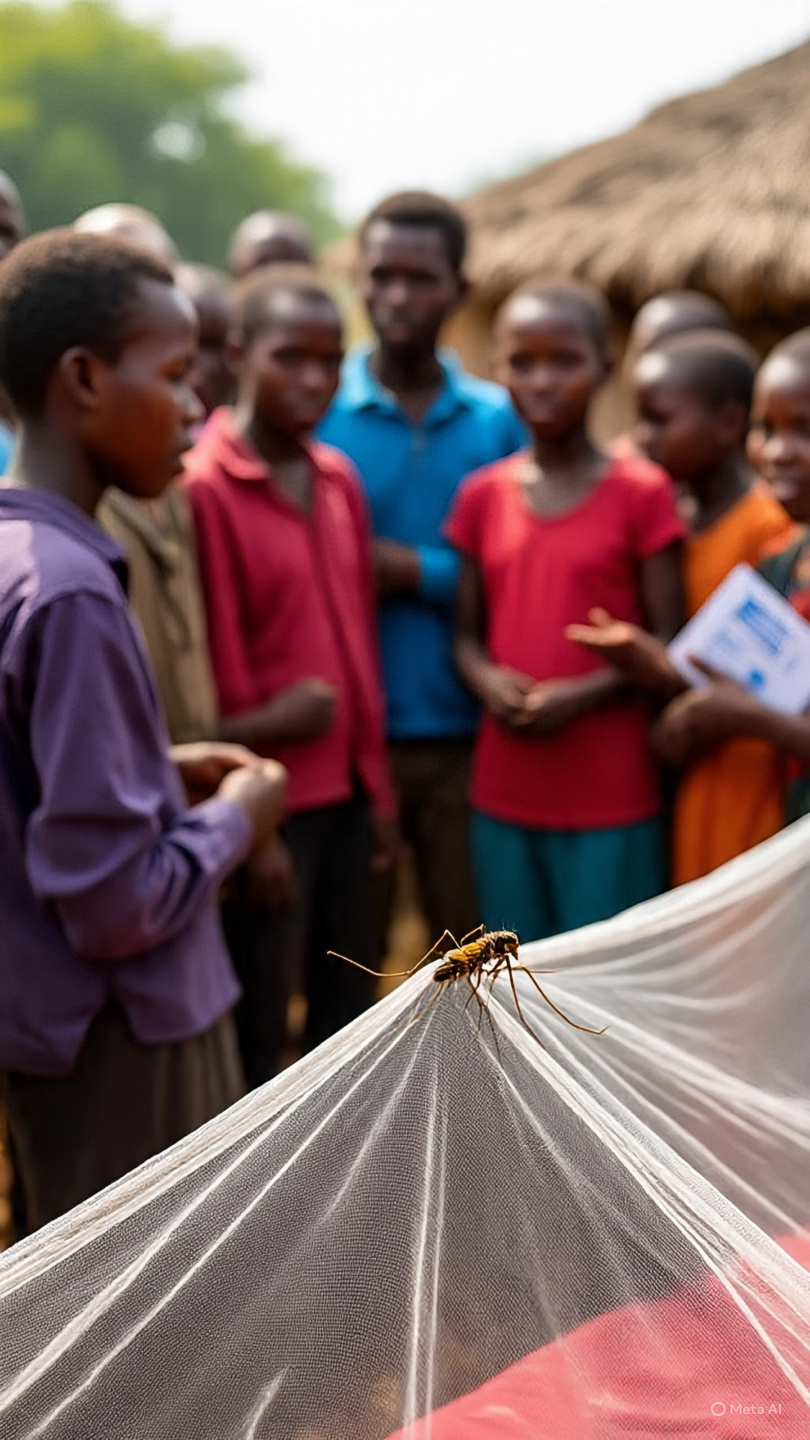
Also, innovation must be accelerated, including the deployment of new vaccines, next-generation mosquito nets, and improved diagnostics. Community engagement and behavioral change are vital in ensuring consistent use of preventive tools like bed nets and early healthcare seeking.
Nigeria will manage the scourge of malaria better when it is able to build stronger health systems, which help to deliver interventions efficiently, especially in rural and underserved areas.
Finally, global and local stakeholders must sustain collaboration. Malaria is not just a health issue—it is a development challenge tied to poverty, infrastructure, and inequality.
With coordinated action, adequate funding, and political will, the vision of a malaria-free world is achievable. However, without urgency, the scourge will persist.
On this World Malaria Day, the call to action is clear: governments must step up funding and accountability, while private sector actors invest in innovative solutions and support public health initiatives. Development partners must sustain and scale their commitments as communities take ownership of prevention practices.
Ending malaria requires collective responsibility—because with coordinated action, political will, and sustained investment, a malaria-free future is within reach.