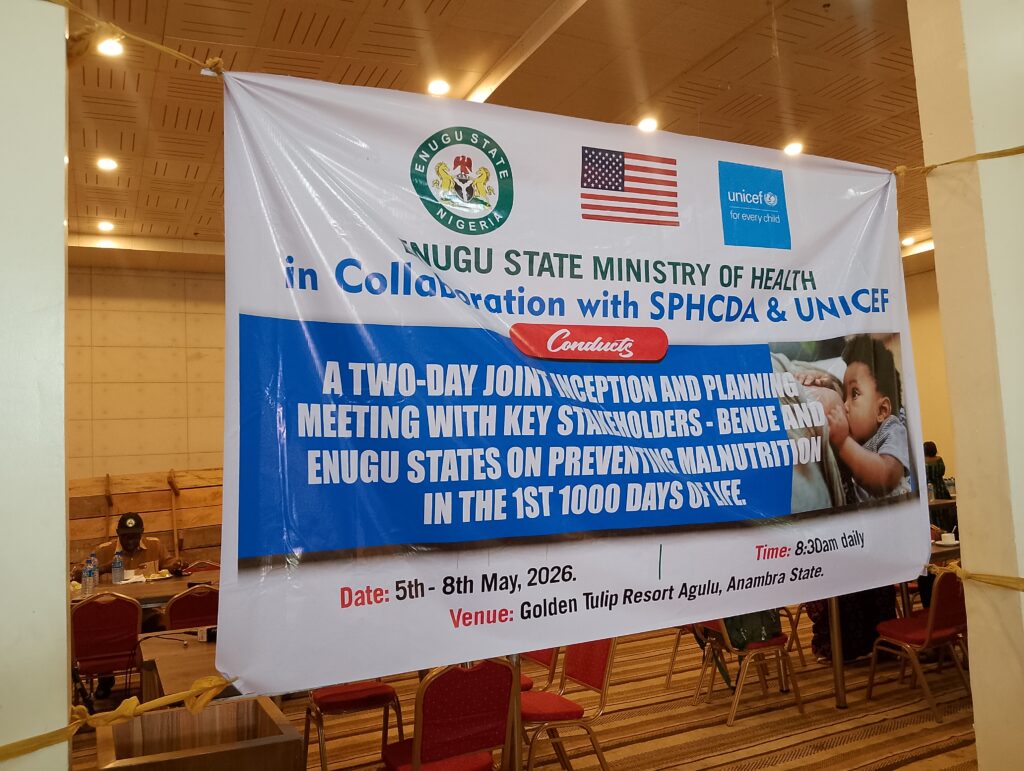
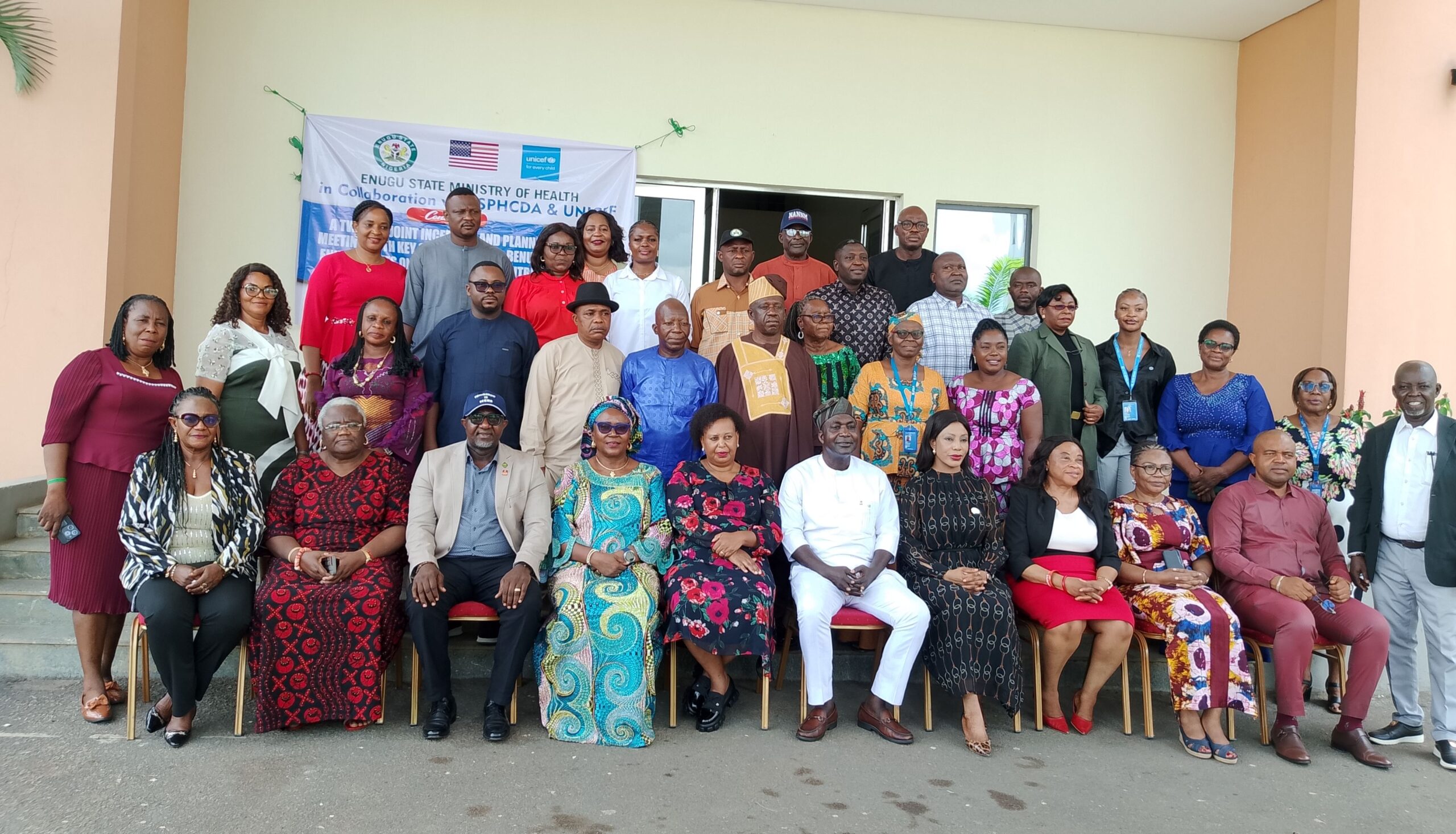
Enugu and Benue States are set to benefit from a United States-funded nutrition intervention grant, supported by the United Nations Children’s Fund (UNICEF), to combat malnutrition.
Mrs Ngozi Onuora, UNICEF Nutrition Specialist, disclosed this at a two-day Joint Inception and Planning Meeting on Prevention of Malnutrition in the First 1,000 Days of Life held in Anambra.
The meeting was organised by UNICEF in collaboration with the Enugu and Benue State Governments, with funding support from the United States Government.
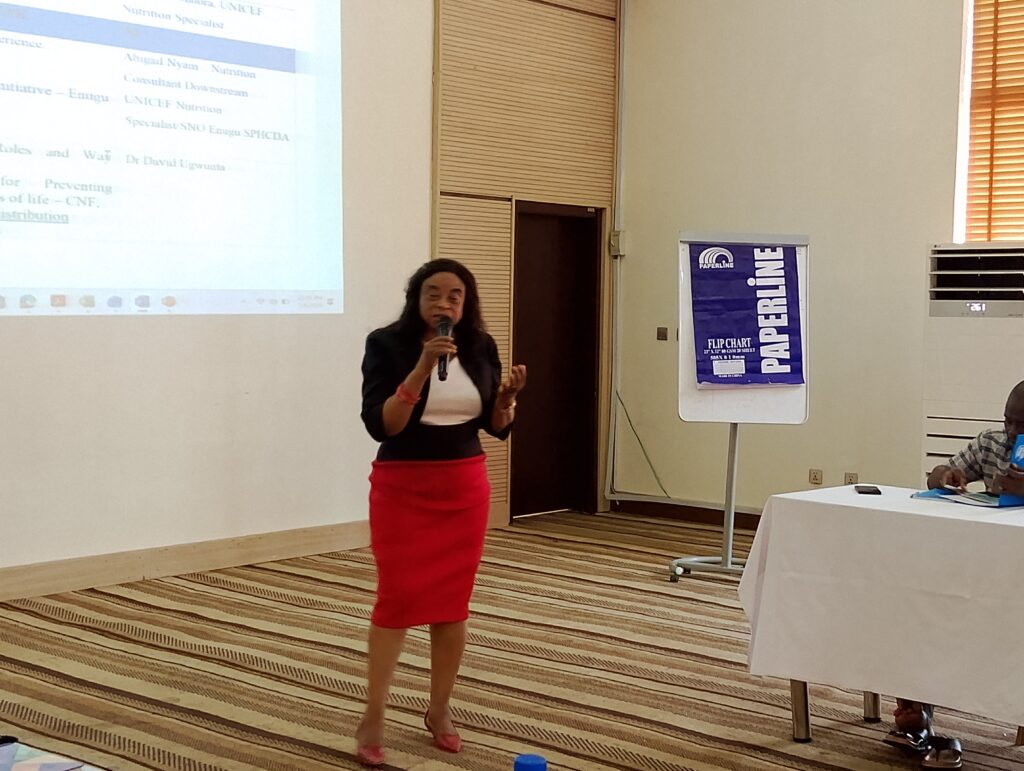
Onuora said the meeting aimed to develop a roadmap for improving nutrition among pregnant women, lactating mothers and children under two years of age, regarded as the most vulnerable group in nutrition interventions.
According to her, the first 1,000 days of life remain critical to a child’s physical growth, brain development, learning ability and overall wellbeing.
She explained that the intervention is titled “Preventing Malnutrition during the First 1,000 Days of Life”.
It is a one-year programme covering eight states: FCT-Abuja, Bauchi, Benue, Enugu, Kano, Niger, Oyo and Jigawa.
“The target beneficiaries are pregnant women, lactating mothers and children aged 0 to 23 months.
“The intervention will focus on scaling up high-impact nutrition interventions, particularly preventive measures against malnutrition.
“It will also promote improved breastfeeding practices, better complementary feeding and enhanced nutrition education for mothers,” Onuora said.
Why First 1000 Days of Life Matter
Also speaking, Mrs Ada Ezeogu, Nutrition Expert emphasised that the first 1,000 days, from conception to a child’s second birthday, represent a critical window for growth and development.
Ezeogu said the period is vital for the development of the brain, body, organs and immune system, noting that adequate nutrition at this stage has significant impact on a child’s survival, cognitive development and long-term health outcomes.
She warned that poor nutrition during this period could lead to irreversible physical and cognitive damage, affecting educational attainment and future earning potential.
“Optimal nutrition during the first 1,000 days can help break the cycle of malnutrition and improve both individual wellbeing and national development outcomes,” she said.
Dr Paul Ogwuche, Benue Commissioner for Health and Human Services, described the worsening rate of malnutrition as unfortunate but reaffirmed the state government’s commitment to addressing the challenge.
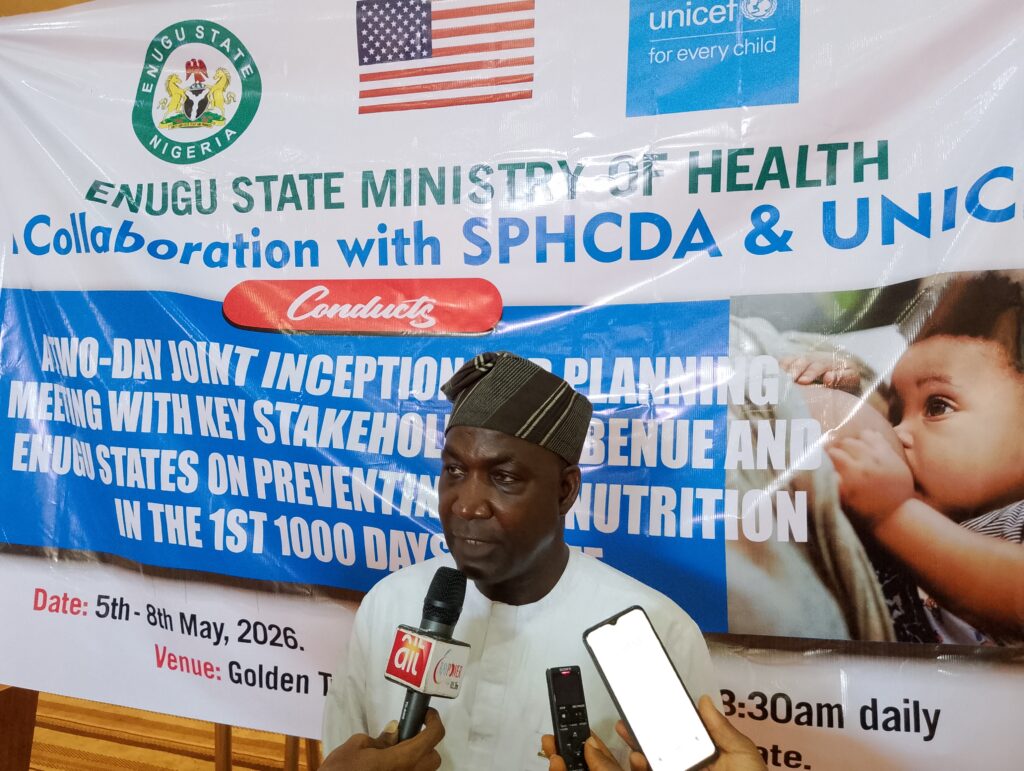
Ogwuche said Benue would implement strategies discussed at the meeting to improve the nutritional wellbeing of women and children, while commending UNICEF and the United States for their support.
In her remarks, Dr Ifeyinwa Ani-Osheku, Executive Secretary, Enugu State Primary Health Care Development Agency, said the state had recorded improvements in tackling malnutrition, particularly among children.
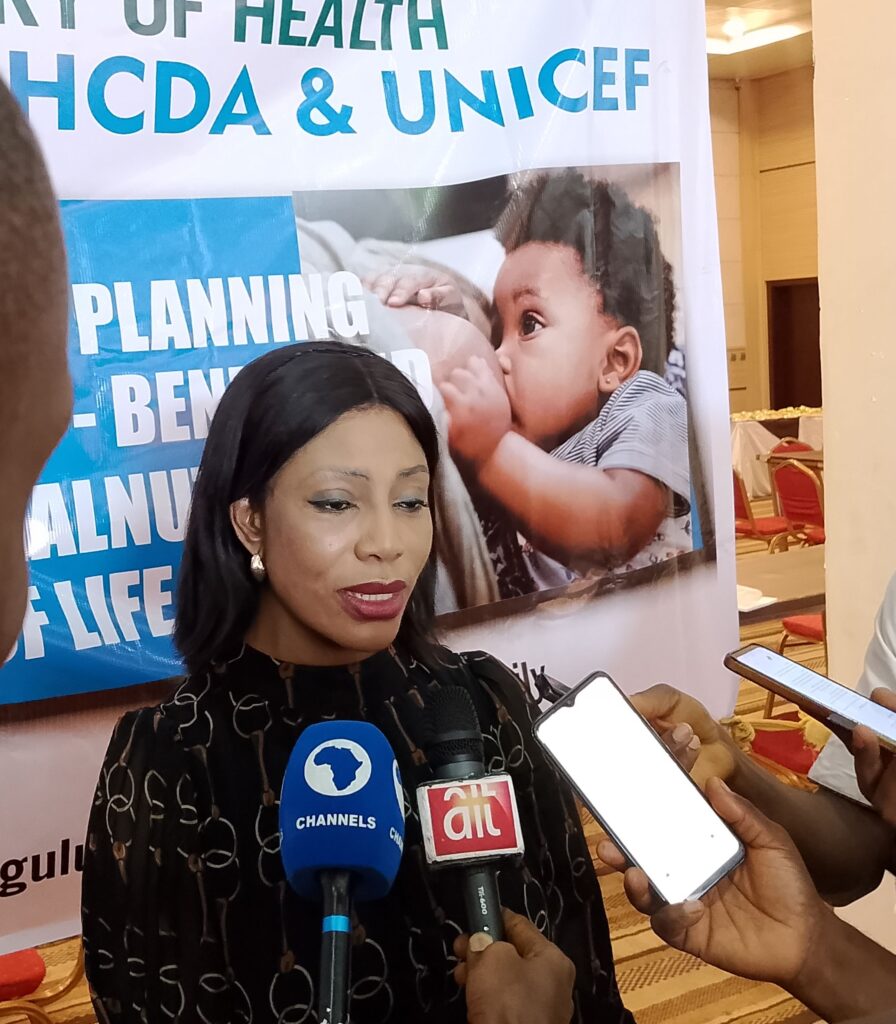
Ani-Osheku expressed optimism that the grant would further boost efforts to reverse malnutrition trends and improve key nutrition indicators in the state.
Earlier, the Chief of UNICEF Field Office, Enugu, Mrs Juliet Chiluwe, commended the Enugu and Benue State Governments for their commitment to improving the nutrition of women and children.
Chiluwe said the meeting provided an opportunity to align priorities, clarify roles and drive evidence-based, results-oriented implementation.
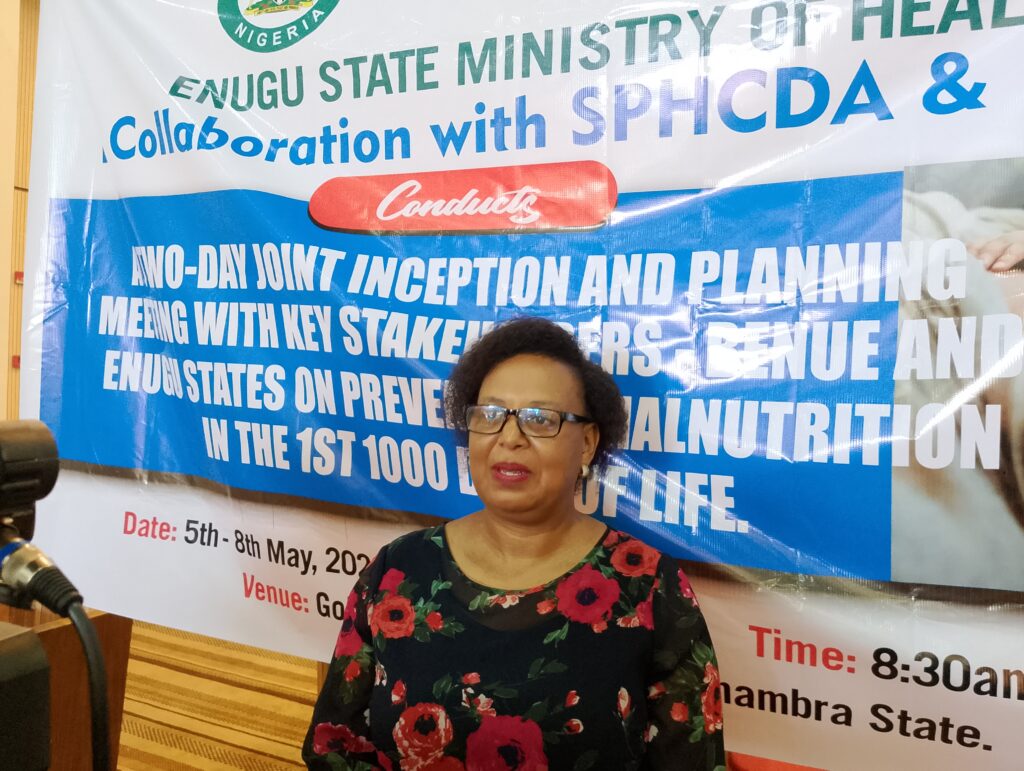
She stressed that sustainable nutrition outcomes require coordinated, multi-sectoral efforts across health, agriculture, education, water, sanitation and social protection.
“UNICEF remains committed to supporting both states to achieve lasting results,” she said.