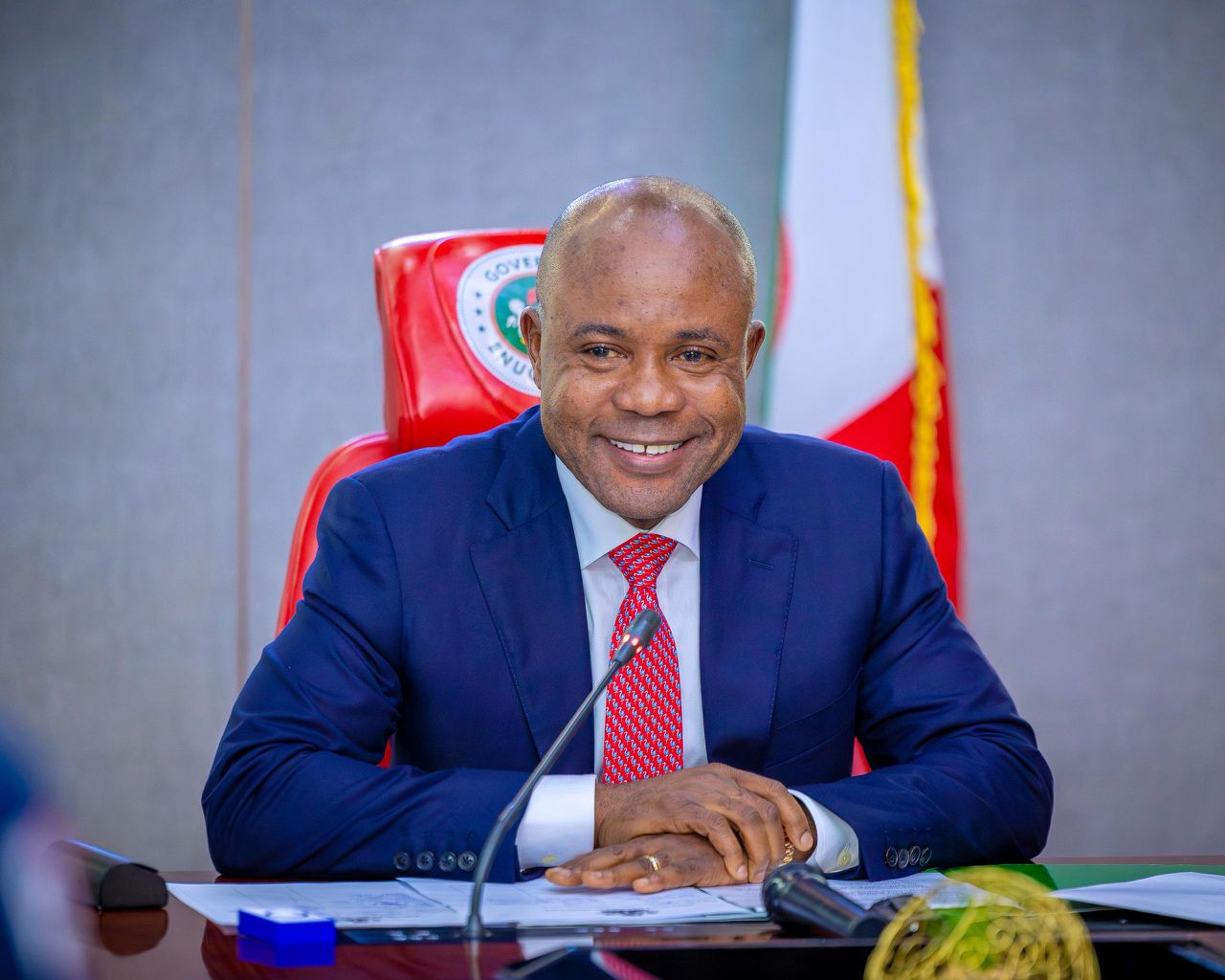

Human rights lawyer, Ifeanyi Ejiofor, has strongly condemned the recent extrajudicial killing in Efurun, allegedly carried out by a police officer
He described the incident as part of a troubling and dangerous pattern across the country.
Ejiofor made the condemnation in a statement released on Wednesday titled “Midweek Musing: Guardians or Executioners? A Republic on Edge as Extra-Judicial Killings Erode the Sanctity of Life in Nigeria,”
Ejiofor warned that the growing normalisation of such acts represents not just a failure of security agencies but a deeper moral crisis.
According to him, urgent and decisive steps must be taken to restore accountability and public trust.
“We begin in Efurun, Delta State, where yet another distressing video, widely circulated by activist Harrison Gwamnishi, captures.
“It can only be described as a brazen extrajudicial execution by a trigger-happy police officer.
“The imagery is not merely disturbing; it is civilisationally indicting,” he said.
“Has human life become so cheap that its preservation is now a matter of administrative discretion rather than a constitutional imperative?”
The lawyer however praised the Inspector-General of Police, Tunji Rilwan Disu, for his swift intervention following the incident.
“It is, however, only fair to acknowledge the prompt and commendable intervention of the Inspector-General of Police, Tunji Rilwan Disu.
“His swift response signals a measure of institutional responsibility,” he stated.
However, Ejiofor stressed that isolated responses are not enough, warning that anything short of comprehensive reform would amount to negligence.
“Anything less would be negligence dressed in official uniform,” he said.
He further highlighted what he described as a disturbing trend within the Delta State Police Command.
Asaba incident recalled
The human rights defender recalled a recent incident in Asaba where armed officers allegedly linked to land-grabbing interests engaged in a violent confrontation with operatives from the Force Headquarters.
According to him, the clash left a civilian from Okpanam seriously injured and bedridden.
Ejiofor described escape of the responsible officer for the Efurun killing from the scene as “a theatrical display of guilt.
“The officer’s recovered service weapon now stands as evidence of systemic failure.
“One must ask, with restrained sarcasm: are firearms now ceremonial accessories issued to officers for intimidation?
“Or are they instruments to be deployed strictly within the confines of the law and established engagement protocols?” he queried.
Ejiofor also referenced the recent alleged killing of a member of the National Youth Service Corps (NYSC) in Wuse II.
The corps member was reportedly by personnel believed to be from the Nigerian Army.
He said the development has sparked widespread outrage and raised serious concerns about accountability within the armed forces.
“The tragedy is compounded by the loss of a promising young Nigerian and the institutional reflex that followed: denial.
“Rather than immediate transparency, accountability, and empathy, the public has been served a familiar cocktail of evasion and bureaucratic opacity.”
“For clarity, the National Youth Service Corps (NYSC) was established to foster unity, discipline, and national integration.
“That a participant in this noble scheme could meet such a fate at the hands of those sworn to defend the nation raises grave constitutional and moral questions.”
“When the defenders of the realm become arbiters of life and death without recourse to law, what then distinguishes a democracy from organised anarchy?”
Ejiofor argued that the issue goes beyond isolated incidents, pointing to broader systemic challenges, including poor welfare for security personnel.
He noted reports of a daily allowance of about ₦3,000 for soldiers.
The lawyer also clarified that such conditions do not justify unlawful killings but may contribute to a volatile environment.
Call on CDS
He called on the Chief of Defence Staff, Christopher Musa, and other top officials to address these structural issues, warning that a poorly motivated and unaccountable force poses risks to both citizens and national stability.
Addressing the administration of President Bola Ahmed Tinubu, Ejiofor stressed that security sector reform is no longer optional.
“Extrajudicial killings do not merely extinguish lives; they corrode institutions, embolden impunity, and normalise lawlessness.
“Each unpunished act sends a silent but powerful message that the rule of law is negotiable and that power, when armed, need not be accountable,” he said.
“History teaches us, often too late, that societies which tolerate such patterns inevitably descend into cycles of violence and distrust… where security forces operate without restraint, the state itself becomes the primary source of insecurity.”
He reiterated that without urgent reforms, transparency, and accountability, Nigeria risks further erosion of public confidence and the continued violation of the sanctity of human life.