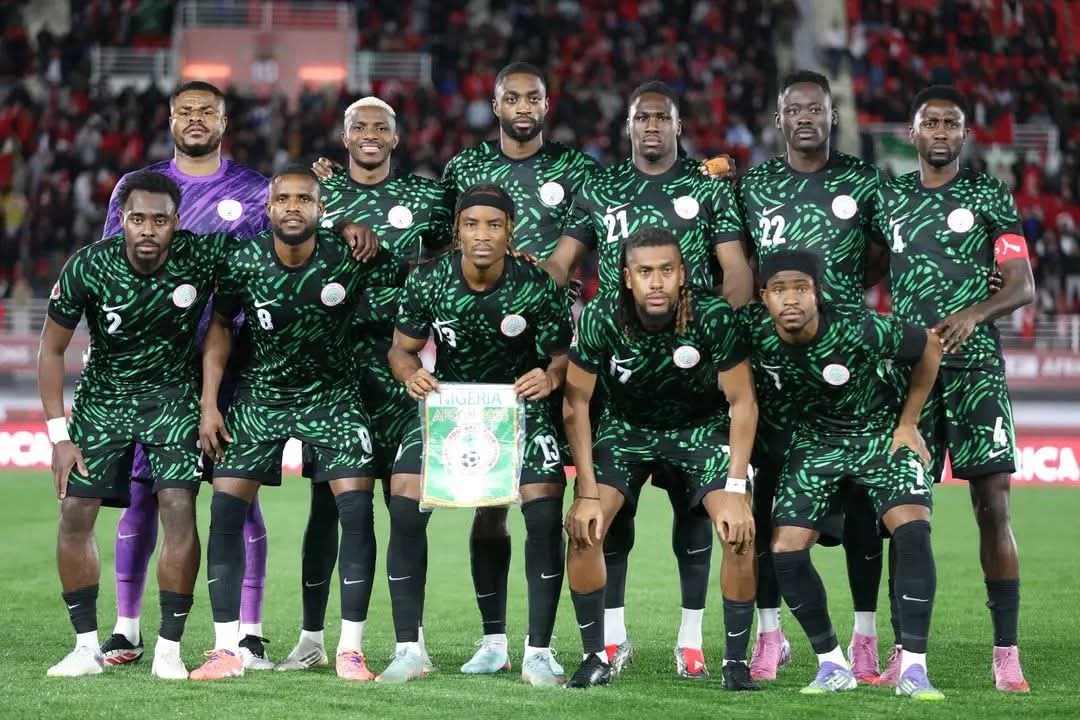
The Super Eagles’ quest for a fourth Africa Cup of Nations title ended in heartbreak on Tuesday night as Nigeria bowed to hosts Morocco in a pulsating semi-final decided by penalties after 120 minutes of fierce, tactical football.
It was a night of high drama, continental pride and fine margins, with the Atlas Lions edging through amid deafening home support and intense pressure.
The Super Eagles arrived in the semi-final with renewed belief, having navigated a tough route that tested their defensive resilience and collective discipline.
Morocco, buoyed by home advantage and massive fan backing, were determined to end a long wait for continental glory on their own soil.
From kickoff, the encounter lived up to its billing as Morocco dominated possession in spells, probing Nigeria’s defensive block with quick interchanges and wing play.
The Super Eagles on the other hand relied on tactical shape, swift counters and physical intensity. Chances were few and far between, as both sides cancelled each other out in regulation time.
As the game wore on, tension grew inside the stadium. Nigeria absorbed wave after wave of Moroccan pressure, with goalkeeper Stanley Nwabali producing key saves to keep the Super Eagles alive.
Ninety minutes ended goalless same as the additional 30 minutes. Morocco pushing, Nigeria resisting with courage and organisation.
However, Nigeria’s composure faltered at decisive moments, (penalty shootout) allowing Morocco to seal victory and book a place in the final.
Analysts’ positions
Commenting on the outcome, Vice President of the Sports Writers Association of Nigeria (SWAN), South-East Zone, Ikem Asika, submitted that Nigeria paid dearly for losing focus at the most critical stage.
“Like what I wrote before the match, the Super Eagles lost concentration when it mattered most, during the penalty shootout,” Asika said. “The officiating was in favour of Morocco as the Ghanaian referee never cautioned them. In fact, the officiating demoralized our players.”
Asika also raised concerns over team selection, particularly the absence of domestic league players, which he believes affected the team’s mental toughness.
“The non-inclusion of our league players is a big factor, as the local players would have done better like it happened under late Stephen Keshi as our coach,” he noted. “Whatever game plan the Super Eagles had worked for them until the penalty shootout.”
Beyond the pitch, Asika pointed to structural issues within African football politics as a contributing factor to Nigeria’s struggles.
“If not for selfishness of Nigerians in various CAF committees, we would have had a strong presence in CAF politics. It is now a wake-up call,” he added.
Battle for pride, continental balance
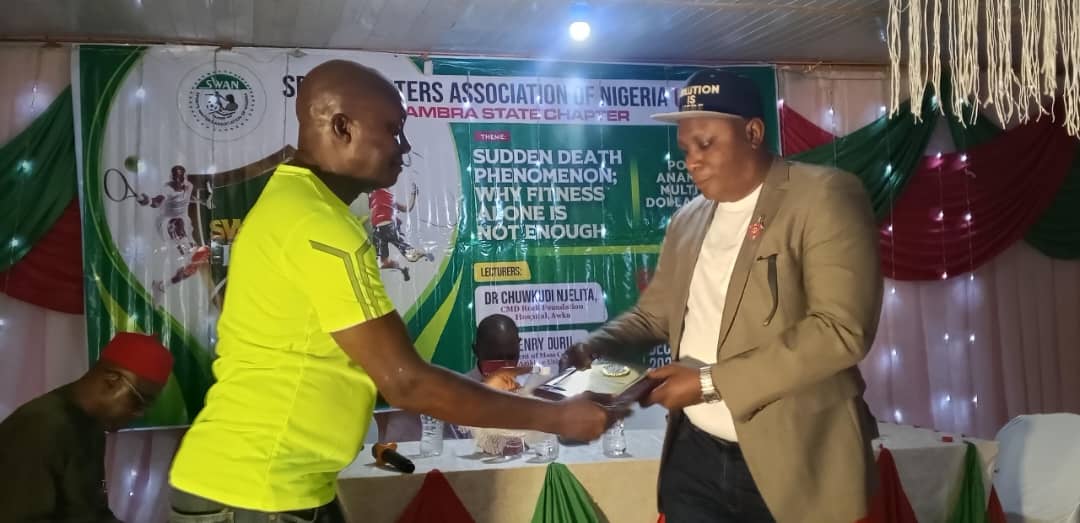
Also offering his perspective was the Chairman of SWAN, Anambra State Chapter, Patrick Anaso, described the match as a battle of pride and continental balance.
“It was a good game and expected to be tough,” Anaso said. “As I said earlier in the analysis ahead of the game, it was going to be a hard match.
“Earlier the Egyptian team had crashed out, so two North African teams cannot surrender to two West African teams. It was also a game of pride.”
Anaso praised Nigeria’s resilience in the face of hostile conditions, while questioning the officiating.
“Super Eagles played the entire Moroccan fans and even the referee—imagine 22 offences, no yellow card. So, I commend the Super Eagles for being able to hold the Atlas Lions for 120 minutes,” he said.
He, however, singled out moments that proved costly during the shootout. “Penalty is a game of luck. If I should mention names—the only person who shouldn’t have been on the pitch was Chukwueze.
“He was too casual with his penalty kick. Interestingly, Nwabali, who most people suspected, turned out to be the star man for Nigeria.”
Despite the disappointment, Anaso struck an optimistic note, urging the team to regroup. “All the same, they did well. Let them go and prepare for the third-place match against Egypt, which will be another tough match. The bronze will be a consolation for us.”
As the dust settles on a dramatic semi-final, Nigeria is left to reflect on a campaign marked by resilience, missed opportunities and hard lessons.
For the stakeholders, the defeat is painful but instructive—a reminder that success at the highest level demands not just talent and tactics, but focus, depth, and influence beyond the touchline.