
By Lucy Osuizigbo-Okechukwu
The festive season in Nigeria, traditionally associated with celebrations, family reunions and increased commercial activities, has once again been overshadowed by a surge in largely preventable disasters, ranging from fatal road crashes to market fires and building collapses.
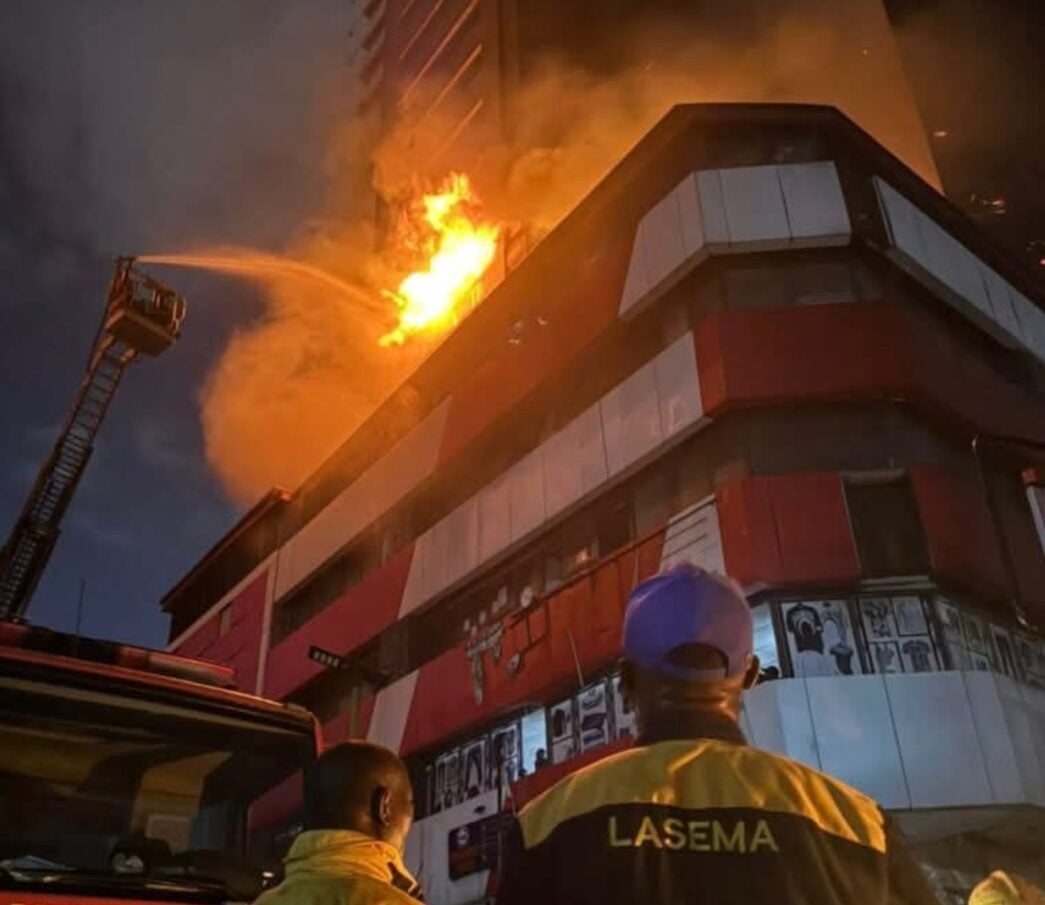
Between Dec. 24, 2025 and early January, the country recorded a number of tragic incidents, including a fatal road crash involving British-Nigerian world heavyweight boxing champion, Anthony Joshua, fire outbreaks at Balogun Market, Arena Shopping Complex, Ikotun Market and Abule Egba in Lagos, as well as incidents of building collapse.
These occurrences underscore a recurring pattern that has come to characterise Nigeria’s yuletide season.
Although accidents occur throughout the year, emergency responders and safety experts say their frequency and severity rise sharply during festive periods, raising concerns about risk management and public safety during times of peak movement and economic activity.
Risk and disaster management experts describe the festive season as a period marked by increased mobility, heightened commercial pressure, strained infrastructure and risky human behaviour occurring simultaneously.
Yuletide Coincides With Dry Season – NEMA
Mr Manzo Ezekiel, Head of the Press Unit at the National Emergency Management Agency (NEMA), said the yuletide period typically witnesses massive movement of people across the country, leading to heavy traffic on major highways and an elevated risk of road traffic accidents.
He added that the end-of-year celebrations coincide with the dry season, which significantly increases the likelihood of fire outbreaks, accounting for the spike in fire disasters recorded during the period.
According to Ezekiel, the rush associated with festive shopping further amplifies risks, especially in densely populated commercial centres.
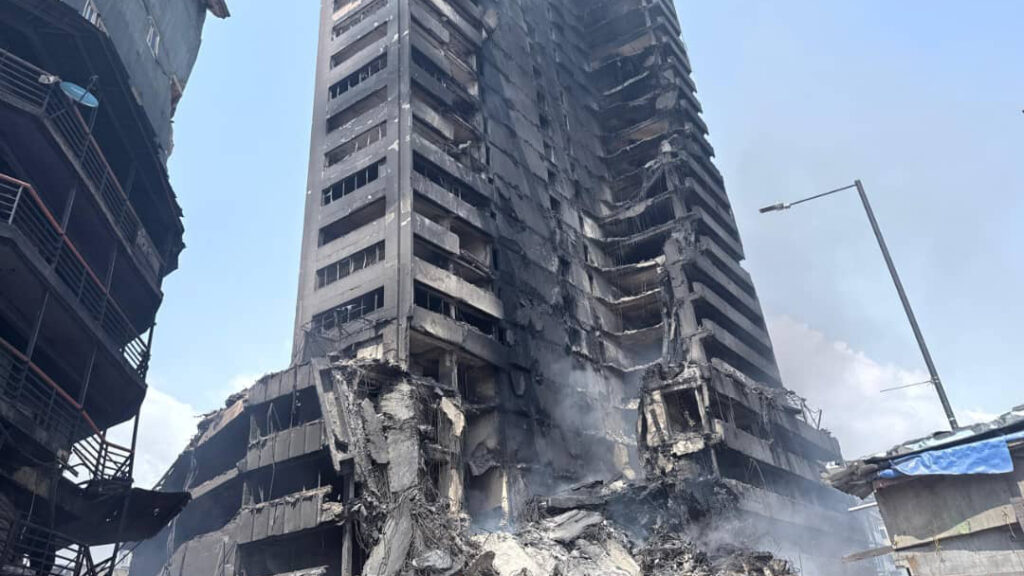
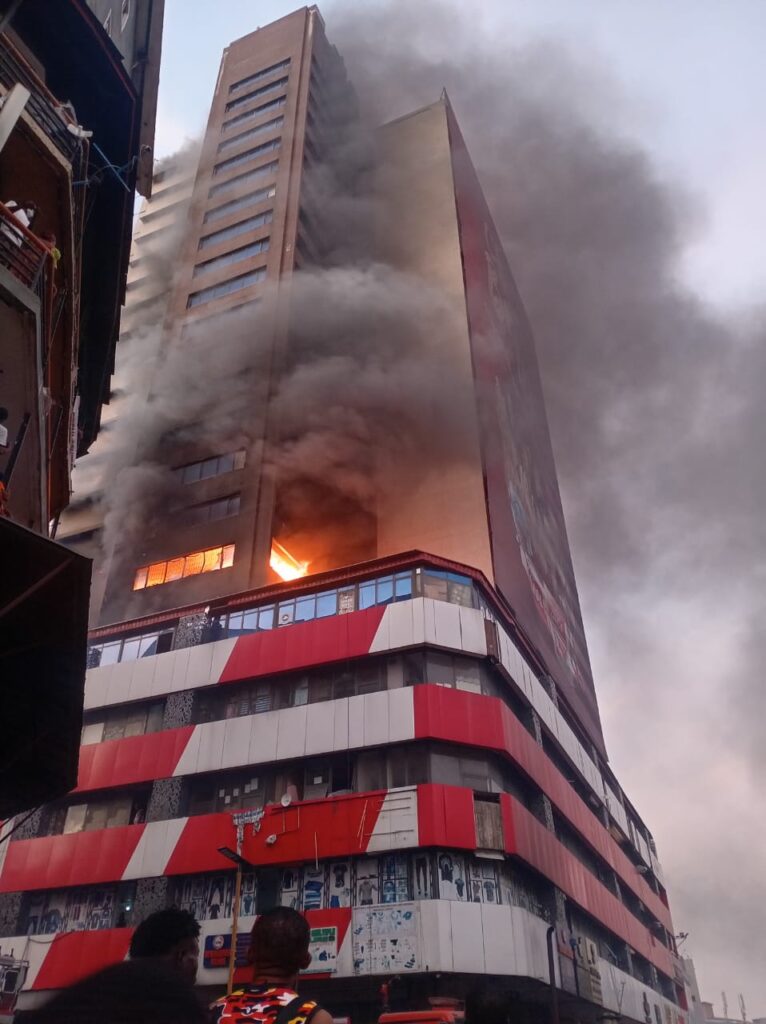
He cited the fire incident at the Great Nigeria Insurance (GNI) Building in Balogun Market, Lagos, as a typical example.
“The 25-storey structure, known for intense commercial activities, housed numerous textile shops and underground warehouses, making it highly vulnerable to rapid fire spread once an outbreak occurred.
” The presence of large volumes of combustible textile materials, coupled with three underground levels used as warehouses, compounded the severity of the fire and complicated firefighting efforts.
“These factors – crowded markets, combustible goods, increased travel and seasonal weather conditions, collectively contribute to the spike in fire outbreaks, road accidents and other disasters during the festive season,” Ezekiel said.
Mitigating Seasonal Hazards
To mitigate these risks, he stressed the need for sustained public awareness urging Nigerians to understand seasonal hazards and adopt safer behaviours.
Ezekiel also disclosed that NEMA annually implements “Operation Eagle Eye” towards the end of December to activate emergency response teams, enhance disaster risk reduction, improve response capacity and strengthen collaboration among key stakeholders.
“The operation, which ended on Jan. 4, recorded significant success, as NEMA responded promptly to incidents nationwide during the Yuletide period,” he said.
Mass Movement – FRSC
Similarly, Mrs Bridget Asekhauno, Sector Commander, Federal Road Safety Corps (FRSC) in Anambra, attributed the spike in road crashes during the festive season to increased vehicular movement and intensified social activities.
She explained that the yuletide period often features multiple events such as burials, weddings, cultural festivals and family reunions occurring simultaneously, resulting in mass movement of people and vehicles.
“During this period, many road users lose regard for traffic regulations. Drivers overspeed, overload vehicles and put unroadworthy vehicles on the road, all in a bid to meet targets or maximise profits,” she said.
Asekhauno added that poor road conditions in some areas further worsen the situation, as many vehicles compete for limited road space.
She said the FRSC responds by intensifying public enlightenment, increasing patrols and deploying more personnel for surveillance during the festive season.
“Motorists need to be patient and obey traffic rules so that everyone can reach their destination safely. It is only the living that can celebrate,” she said.
On fire incidents, the Controller-General of the Federal Fire Service, Mr Olumode Adeyemi, said the agency placed its operational personnel on full alert nationwide due to the spike in fire outbreaks during the yuletide and Harmattan season.
Being Carried Away by Festivities at the Expense of Safety
According to him, the service intensified campaigns, warning Nigerians against bush burning, fireworks and careless handling of electrical and cooking appliances, which account for most fire outbreaks during the period.
“During Harmattan, we record more fire incidents, so we prepare ahead to reduce economic losses and, more importantly, loss of lives,” Adeyemi said.
He also warned that increased cooking activities during the festive season could lead to kitchen-related fires if not properly managed.
“Nigerians should be careful and avoid leaving cooking unattended. People should not be carried away by festivities at the expense of safety,” he advised.
Adeyemi further urged households to acquire basic firefighting equipment, noting that early response could prevent small fires from escalating.
“Every fire starts small. One essential item every household should have is a fire extinguisher,” he said.
Pressure to Meet Festive Expectations
From a social perspective, a sociologist, Mrs Enimien Chijindu, attributed part of the problem to economic pressure and desperation, as families strive to meet festive expectations.
According to her, traders often extend operations beyond safe limits, while drivers overwork themselves to maximise income.
A psychologist, Mr Raymond Okeke, pointed to a festive mindset that downplays risk, with individuals relying more on optimism and luck than on safety compliance.
Okeke also highlighted challenges in emergency response during the yuletide.
“Ironically, emergency response capacity is often weakened during the festive period. Some services operate with reduced staffing, while traffic congestion delays response times, even as emergencies increase,” he said.
As families mourn victims of road crashes, traders count losses from market fires and communities grapple with collapsed buildings, experts insist that festive season disasters are not inevitable.
They stated that with consistent enforcement of safety regulations, improved infrastructure, effective emergency response and a shift in public behaviour, Nigeria can transform the festive season into a period of safe celebration rather than recurring tragedy.
Until then, the yuletide may continue to be marked not only by joy and festivities, but also by loss, rescue operations and preventable disasters.