Alfred Ajayi
For Chinenye Ogah and Okah Blessing, the impact of family planning services is written into the fabric of their daily lives. Their testimonies include – healthier bodies, calmer homes, and clearer choices.
Chinenye, a 25-year-old mother of three, did not arrive at family planning by chance. Her children are closely spaced—six years, four years, and just over a year—and she knows firsthand the toll repeated pregnancies can take on her. “I decided to do family planning because it is good,” she says.
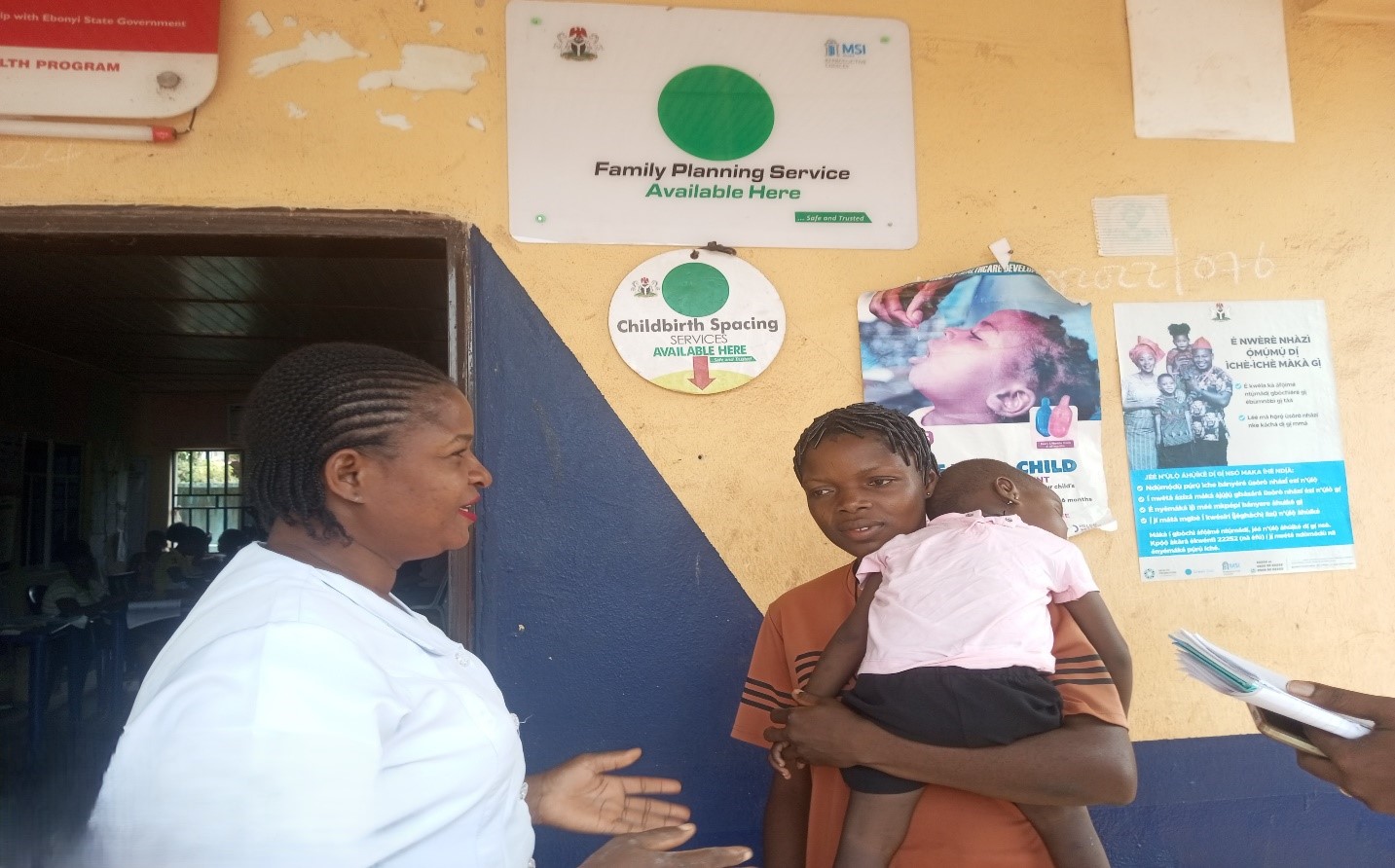
The turning point came through routine clinic visits. “Since this aunty came here, she teaches us every Monday during immunisation and on Wednesday for antenatal. People have been coming to do it.”
With her husband’s support, she adopted a modern method when her baby was just four months old. A year later, she reports clear benefits.
“I have been healthy since I did it in 2024. No side effects, and my children are doing great.”
Blessing Okah follows suit
A similar story unfolds with Blessing Okah, a 20-year-old salon owner in Abakaliki and mother of two.
Her second baby was only two months old when she returned to the health facility—this time, not just for immunisation, but for family planning.
“When we come for immunisation, she taught us about family planning,” Blessing recalls.
The information followed her home, where she discussed it with her husband. “We agreed that we should do it. He encouraged me to come.”
For Blessing, the decision was about recovery and stability. “I need it so that I can fully recover from the delivery of two months ago before any other thing,” she says, linking family planning directly to her health and ability to continue working.
MSI Nigeria’s intervention
Together, their stories reflect the ripple effects of MSI Nigeria Reproductive Choices’ intervention in primary health facilities where counselling during routine immunisation and antenatal days is translating into informed choices, male support, and healthier outcomes for young families.
MSI’s Core service delivery channels include: mobile outreach in underserved and rural communities, Marie Stopes Ladies – community-based midwives and health workers who provide discreet family planning services within communities and homes.
Private Sector Engagement – a network of quality-assured private clinics that deliver reproductive health services in rural and peri-urban areas.
Others are – MSI Medical Centres – fixed clinics offering a broad range of SRH services and In-Reach Initiative – a public sector partnership approach launched in 2018 that supports public health facilities to conduct their own outreach services locally, expanding access sustainably.
The organization works with the Ebonyi State Ministry of Health, Primary Healthcare Development Agency and selected public health facilities (PHCs and general hospitals).
Health workers in those facilities are trained on rights-based family planning, supported with commodities, job aids and supervision, guided by tools like the MEC Wheel for safe method choice.
To catch missed opportunities inside facilities, it also organizes In-Reach. When a woman comes for ANC, immunisation, post-natal care or general treatment, trained providers screen her privately for FP needs.
No judgmental counselling
They give non-judgmental counselling and if anyone becomes interested, she gets a same-day method (implant, injectable, pills, etc.). This approach reduces stigma, targets post-partum women, who have high unmet need and uses the MEC Wheel to avoid unsafe denial of methods
Ogah and Okah’s stories are particularly worth spotlighting as they decided to uptake family planning services as a result of MSI’s intervention in a state where resistance to modern family planning (FP) methods is deeply rooted in cultural, religious, and social norms.
Many communities uphold the belief that childbearing is divinely ordained, and women should produce as many children as God intends, making the concept of contraceptives culturally sensitive.
Religious convictions further reinforce this stance, with some groups preferring natural or fertility-awareness methods over modern contraceptives.
Misinformation and myths also persist as claims that FP causes infertility, cancer, excessive bleeding, or even death have long circulated through many generations, family members or community elders.
Limited awareness
Many have blamed the misconceptions on limited awareness and health education especially in rural areas as well as patriarchal norms which has given men the final say in reproductive matters, constraining women’s autonomy.
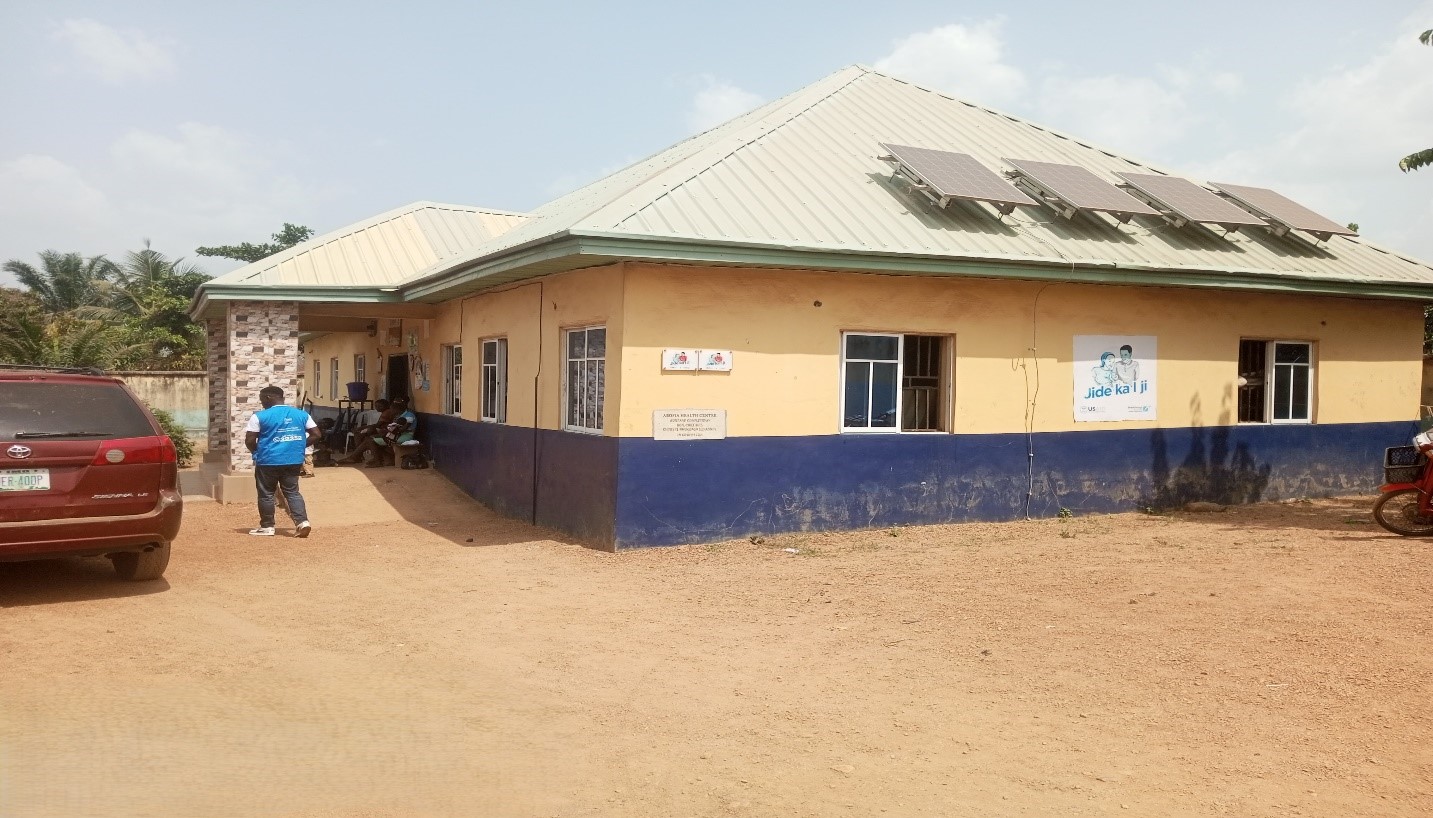
These factors have historically suppressed uptake, leaving an unmet need for contraception at 29.2% in the state, despite government and partner-led interventions aimed at improving access, awareness, and acceptance of modern FP methods.
Faith, Advocacy, and Child Wellbeing
Rev. Mrs. Rita Okpaku adds weight to the influence of religion in low FP uptake in the state.
As the chairperson of the Women’s Wing of the Christian Association of Nigeria (WOWICAN) in Ebonyi State, Okpaku is one of the few religious voices openly challenging the negative religious stance against family planning.“They say, ‘Go and multiply,’ but they don’t talk about space, responsibility, or suffering.”
She narrated her burden for children who are product of unplanned childbearing.
“There is a woman in this neighbourhood who kept giving birth and leaving the children behind with an elderly grandmother.
“The girls stopped going to school. There was no food. Some nights, they slept outside her house while rain poured. It broke my heart,” Okpaku recalls.
She searched for help until a man from Anambra State agreed to take responsibility for the children—school fees, uniforms, even a daily meal. Three years later, he is still paying.
Societal nuisance
“These are the things people don’t see. Products of families where they multiply and replenish the earth become nuisance to society and we all bear the brunt. Go to their houses—two children, three children. But they tell the poor to keep giving birth.”
Okpaku’s advocacy is relentless. She convenes meetings that cut across Christian denominations speaking carefully, sometimes avoiding the phrase “family planning” altogether.
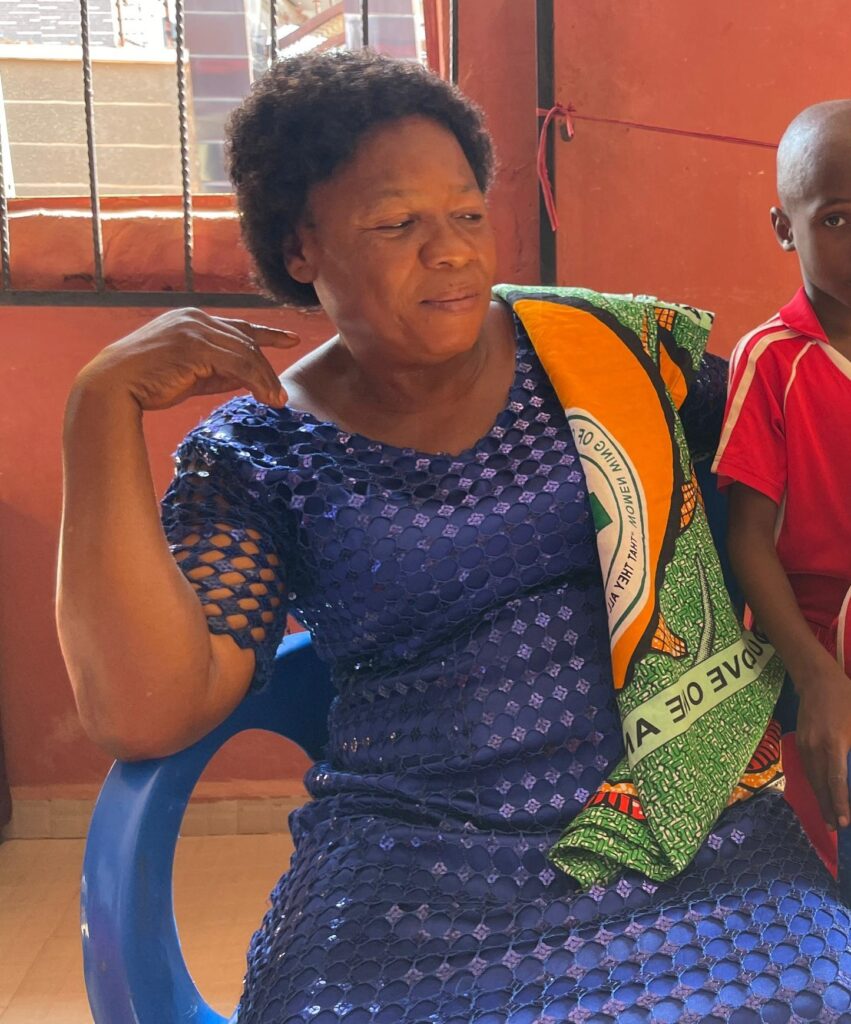
“I call it child spacing,” she explains. “You must meet people where they are, especially with the economic hardship we’re facing. If a woman says, ‘I want to plan,’ and the man says, ‘If you do it, leave my house,’ that is violence. So, I also speak to men because of their influence in this matter.
The challenge is steep as early marriage and teenage pregnancies are common in Ebonyi State. “Even government interventions, she fears, can be misread as encouragement to “produce more children and leave it to God.”
However, she is resolved to keep the fire burning. “I can’t stop this drive because I can see it yielding positive results. Faith must also save lives,” she insists.
From Clinic to Community
Nkechinyere Ezeora is one of the service providers trained by MSI Nigeria to serve the populace. For the health worker currently serving at Abofia PHC, Abakaliki, acceptance of modern family planning begins far away from the clinic.
“It starts in schoolyards, market corners, and community gatherings where fear and misinformation still hold sway. We talk to both men and women especially young boys and girls.
“After group discussions on the benefits of family planning, many women return home to negotiate with their husbands. When they secure their husbands’ agreement, they come back to do it.”
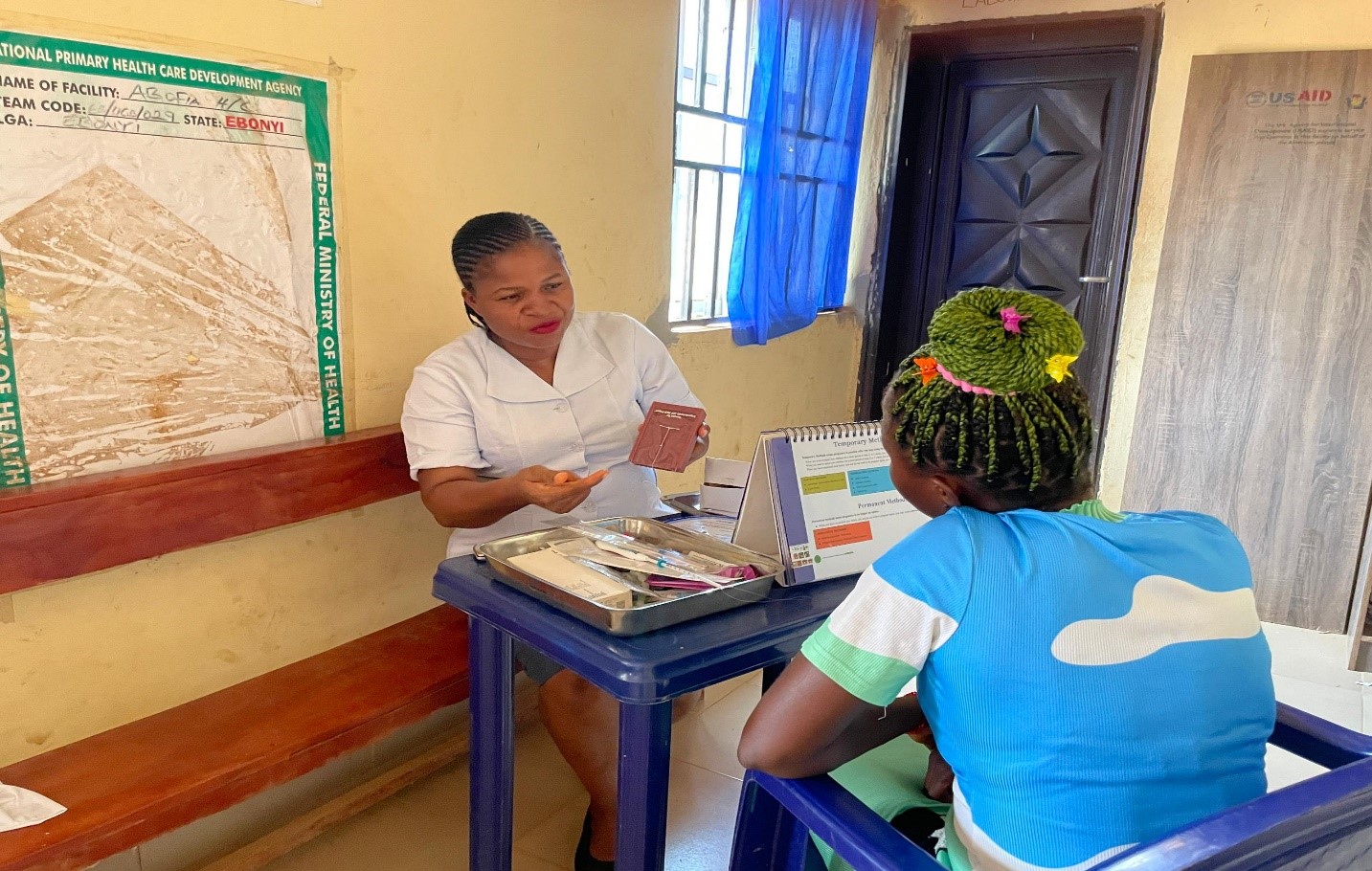
Ezeora offers one-on-one counselling, carefully explaining all 13 available methods before guiding clients through a medically safe choice using the MEC Wheel – the Medical Eligibility Criteria (MEC) Wheel for contraceptive use, a clinical decision-support tool developed by the World Health Organization (WHO) and widely used by healthcare providers.
Sensitization during immunization
She recalls a woman who came to the facility for her baby’s immunization. “After counselling, she went home, discussed child spacing with her husband, and returned with his support. That is why she is here today.”
Another service provider, Glory Eke, corroborates Ezeora’s stance on improvement in the rate of uptake. “We have nurses and doctors at home.
“They tell them that FP will cause cancer, it will do this and that. They will say the one they know and the one they don’t know.
“But, I do tell them that family planning doesn’t cause death. I encourage them if they do it and they notice any side effect, they should go back to the facility. I have not witnessed any serious case resulting from Family planning.
“We embark on in-reach – (a core service-delivery strategy used by MSI Nigeria) to educate people in the communities especially those far from facilities on the essence of FP. MSI pays for transport, lunch, and mobilization, even provide a couch for implant insertions. We go with instruments, processing buckets, commodities, consumables.
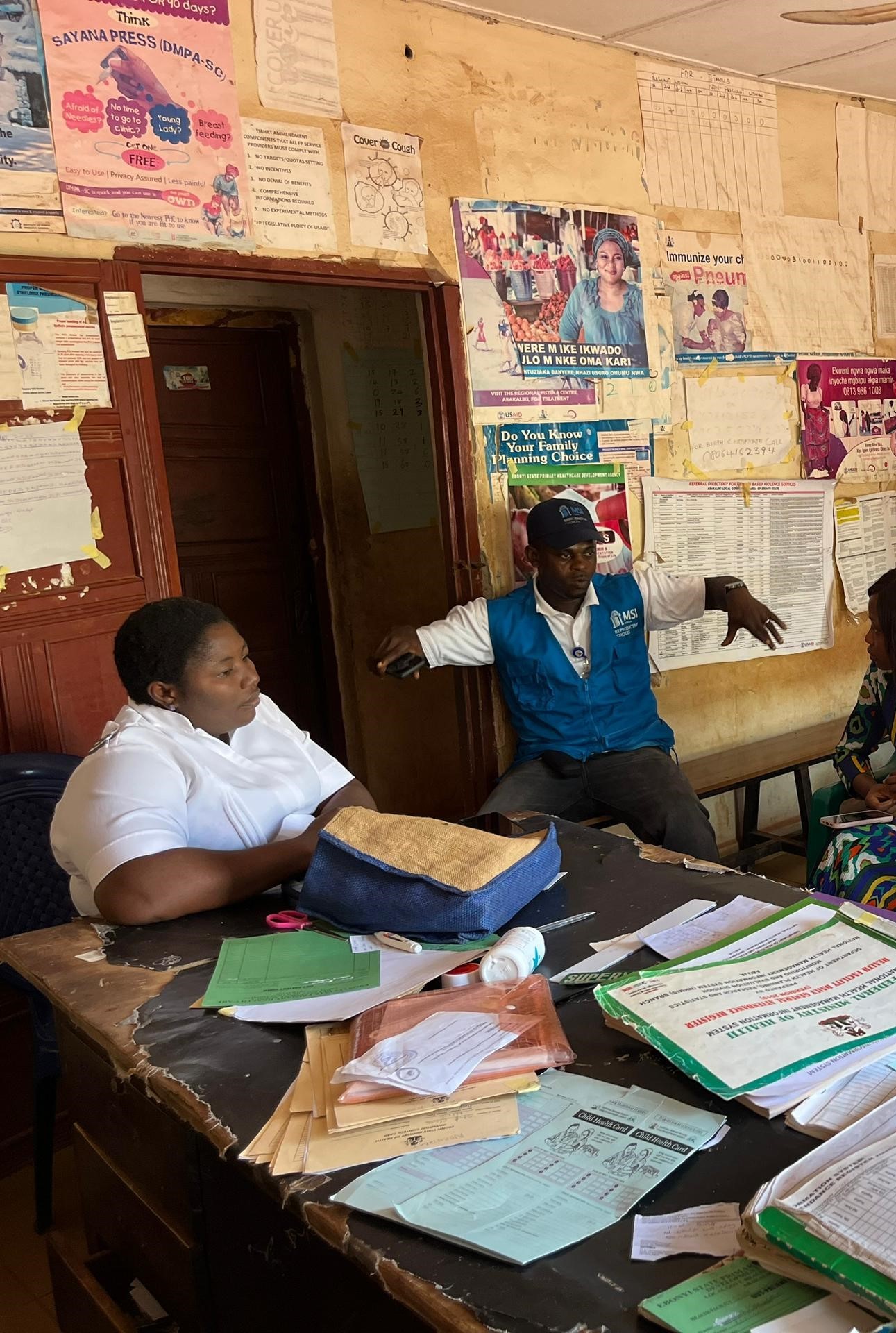
“If there is no facility in that locality, we arrange a town hall for counselling. We are seeing some improvement. Men now call that they want their wives to do family planning,” she recalls happily.
Law enforcer championing FP
Chief Superintendent of Police, CSP Grace Richard is a Divisional Police Officer, DPO at Ishieke Divisional Police Headquarters. The senior police officer recounts how she once wrestled with doubt herself.
She admits that culture remains a barrier. “Pressures to keep giving birth for preferred gender, lineage, or tradition. I navigated that terrain myself, choosing when to stop and taking responsibility for my health, with my husband’s consent.”
Her first encounter with MSI Nigeria’s intervention happened four years ago during a community engagement that focused on women’s health, hygiene, and balance.
“I had done my family planning before then but I wasn’t fully sure. I was encouraged and I did the permanent one. “My menstrual cycle stabilized, my health improved, and my fear dissolved.”
Exporting FP message
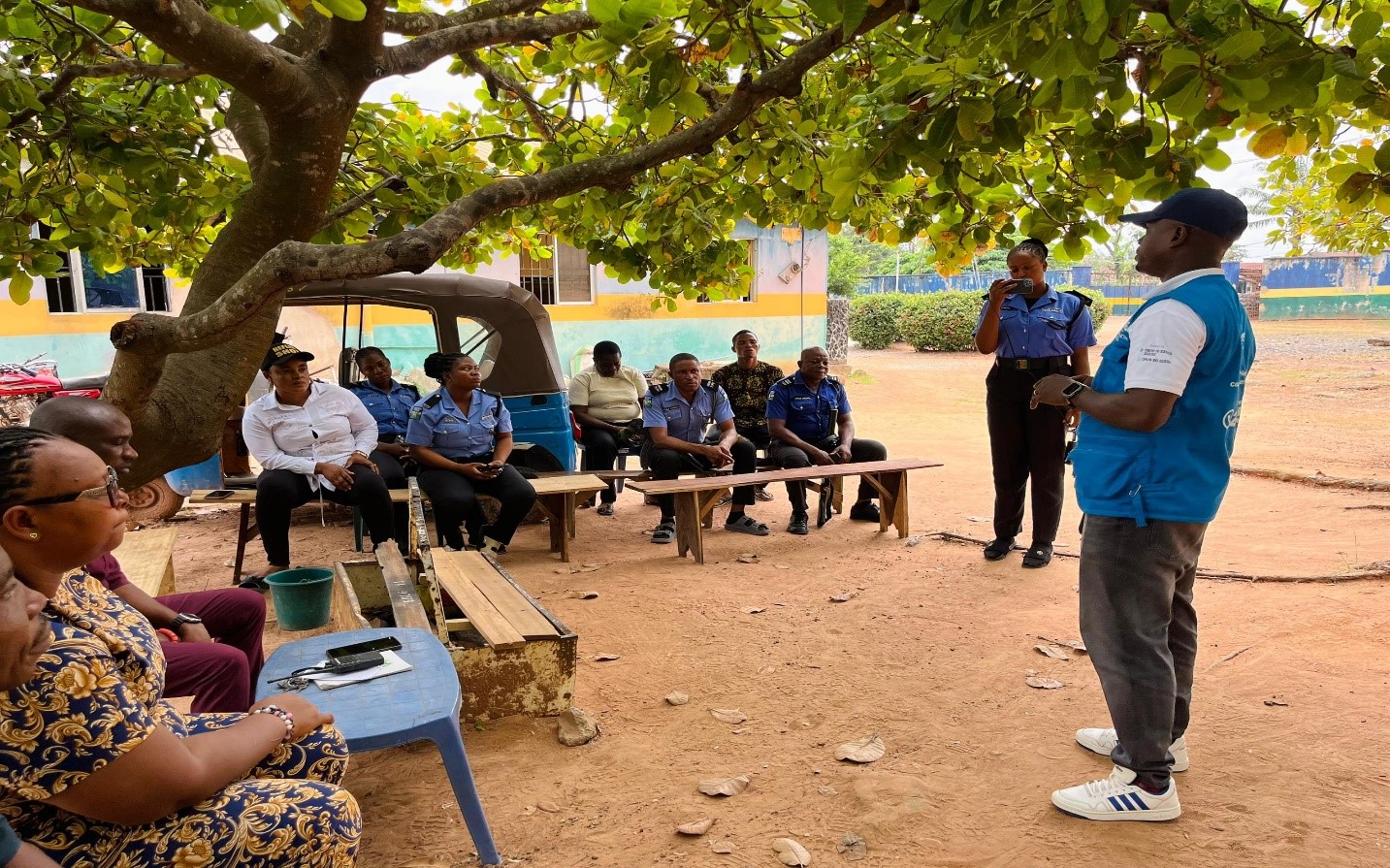
The outcome encouraged her to share the knowledge in her office, at PTA meetings, and in social gatherings. “I speak openly to women and girls about safe family planning.
“A woman in my office who already has seven children became pregnant and faced life-threatening complications.
“They told her it would be cesarean section and she resisted. I talked to her and the husband and they accepted.
“Immediately after the CS, they did the permanent family planning method. Today, she enjoys peace, and her children are doing well.”
Men also targeted
Beyond talking to fellow women, CSP Richard also targets men, whom she believes must be carried along if the campaign to increase uptake must succeed. “I have seen marriages strained because women feared their husbands’ opposition.
“While addressing men, I appeal to them to allow it for their wives. I tell them that family planning is not an end to childbirth but a way to space it safely for healthy children, healthy mothers, and balanced families.”
Under its programme, MSI Nigeria delivers a suite of sexual and reproductive health interventions across the country, including family planning, contraceptive services, outreach, and health systems support under this umbrella.
Chukwudi Obasi the male champion
In a state where family planning is still widely framed as a woman’s burden, Chukwudi Obasi stands out as one of the few men who have openly embraced the message championed by the state government, MSI Nigeria, and other partners.
“Family planning has helped many families to grow—my own family inclusive,” he says. “It gives a woman’s body time to heal and her uterine walls and womb to return to normal before another pregnancy.
“It also reduces the risk of complications such as hypertension, diabetes, miscarriage, and even maternal death.”
Beyond health, Chukwudi sees family planning as essential to responsible parenting, while proper spacing helps parents to give each child adequate nutrition and care.
“It helps us to prepare economically and mentally before welcoming another baby, ensuring that the child already born is ‘well fitted and stabilized’ before the next arrives.”
Family planning allays fears
For Obasi, family planning removes fear and tension around intimacy, while enhancing women’s economic empowerment. “It gives the family peace as couples can enjoy their union without constant anxiety about unplanned pregnancy.”
“Allowing my wife time to recover and pursue her business or goals preserves her economic value and dignity. With a clear plan to have three children, we want to reduce poverty and maintain wellbeing. When you have more than you can take care of, your blood pressure will rise.”
His message to other men is direct: “Support your wives, plan your families, and give birth only to the number you can truly care for.”
Government poised for better results
Responding to posers from Radio Nigeria, Ebonyi State’s Family Planning Coordinator, Christiana Ikechukwu says the biggest obstacle has never been the absence of services alone, but the weight of belief.
“The myth and misconception around family planning was very high. In many rural communities, misunderstanding of how modern contraceptives work fueled fear and resistance, suppressing uptake for years.
“Culture and religion sit at the centre of this challenge. Some communities believe that God said we should multiply, and that a woman is bound to give birth to the number of children God designed her to give.
“Others reject modern methods outright, preferring natural or fertility-awareness approaches. No matter how much you counsel them, they hold onto what they believe, and this affects uptake.”
Yet the state government has not stood idle. Under the current administration of Governor Francis Nwifuru and the leadership of the Commissioner for Health, Dr. Ikenna Moses Ekuma, family planning is treated as a critical intervention for reducing maternal mortality.
“Health workers have been recruited into general hospitals, trained to provide quality counselling, and deployed to rural communities to confront myths head-on. Radio programmes often supported by partners are used to counter misinformation.”
“Another pillar is the Better Health for Rural Women, Children and Internally Displaced Persons (BERWO) Foundation, led by the Governor’s wife, which conducts outreaches in hard-to-reach areas and PHCs across all 13 LGAs.
Essence of visits
“Through these visits, women receive services and accurate information, helping to address unwanted pregnancies and related maternal deaths.”
She also attributed the successes to partnerships now being led by MSI Nigeria. After USAID projects phased out, MSI Nigeria has emerged as the state’s most consistent partner. MSI is currently a major partner and a household name in family planning in the state.
“Since becoming resident in Ebonyi, MSI Nigeria has trained over 200 providers on long-acting reversible contraceptives, conducted post-training follow-ups, supplied equipment and consumables, and ensured quality through regular assessments.
UNFPA supports commodity procurement and technical reviews, while Agenda Health is implementing a hormonal IUD scale-up project.
The impact of these interventions is measurable. The Modern Contraceptive Prevalence Rate (mCPR) has increased from around 5–7% in previous years to 15% in 2024, according to the Nigeria Demographic and Health Survey (NDHS).
MSI Nigeria’s role and operational approach
Emmanuel Ajah, Country Director of MSI Nigeria, highlighted the rationale behind the intervention. According to him, key considerations include mCPR levels, enabling environments, unmet need, and resources to support the interventions.
“Ebonyi State has been quite receptive of the idea of modern family planning methods, he submits. “MSI operates mobile outreach teams targeting underserved communities, provides comprehensive training for public health workers, conducts competency assessments, supplies equipment and consumables, and implements behaviour-change communication to tackle myths.
Between January and September 2025, MSI Nigeria provided 79,578 clients with FP services and delivered 207,341 Couple Years Protection (CYPs) in Ebonyi State alone, averting an estimated 147 maternal deaths.
CYP is a standard public health indicator used in family planning and reproductive health to estimate how long contraceptive services protect couples from unintended pregnancy.
Despite progress, challenges remain: cultural and religious norms, misinformation, fear of side effects, and commodity shortages persist. Unmet need in Ebonyi stands at 21%, indicating significant gaps.
Ajah emphasizes planning and forecasting for commodity supply, noting that “while shortages exist due to global funding gaps, our training supports better resource allocation so everyone has a choice.”
Work in progress
Despite the progress being recorded, uptake of family planning services is still worrisomely low. Commodity shortages persist, unmet need stands at 21%, and some LGAs—particularly in Ebonyi North—still record low uptake and maternal deaths.
“We are now calling it child spacing because people generally detest the phrase ‘family planning,’ Ikechukwu explained. “Even if you want 20 children, space them so you have the strength to raise them.”
She said the focus now in on a dialogue—especially with men. “Until you understand the cause of the problem,” she insists, “it will be difficult to treat it.”
Challenges persist
MSI Nigeria’s Country Director equally attests to the outstanding challenges. “Challenges are not peculiar to the state but still general challenges with respect to family planning.
They include negative social and religious norms that prevent uptake of family planning, such as the customs that encourage women to give birth to a certain number of children to be entitled to a customary celebration.
Also, there remain myths and misinformation associated to family planning, fear of side effects and rumors associated as well as shortages of commodities.
Ajah affirms the shortage of commodities which he attributed to many factors. “While there is a universal shortage of family planning commodities due to global funding gaps and priorities, part of our training to support the state personnel is on commodity forecasting.
“This ensures better planning of the supply and distribution of available commodities to ensure that everyone in need receives a choice of contraceptive options.
Transforming lives
From Chinenye and Blessing’s human stories to male champions like Obasi, the evidence is clear: family planning interventions are transforming lives in Ebonyi State. MSI Nigeria, the state government, religious leaders, and civil society actors are jointly tackling barriers, shifting mindsets, and expanding access.
The lessons are evident: early and repeated engagement, inclusion of men, culturally sensitive messaging, and strong community partnerships are crucial. Yet challenges remain—persistent myths, social resistance, and supply constraints underscore the need for sustained investment, monitoring, and dialogue.
As CSP Richard notes, “Even if ten people don’t listen, one will. That one will share with another and it keeps spreading.”
Ebonyi’s journey shows that solutions-based, evidence-driven interventions can work, but only if sustained, inclusive, and rooted in local realities.
As Ebonyi strives for better outcomes, the success stories from there many respondents maintain should inspire other states to increase efforts and put machinery in motion towards overcoming all inhibitions to family planning service uptake.