Chinedum Elekwachi
Stakeholders in the health sector have advocated for increased participation of women in leadership roles across Primary Healthcare Centres (PHCs) in Anambra State, insisting that women-led PHCs would significantly reduce maternal and infant mortality.
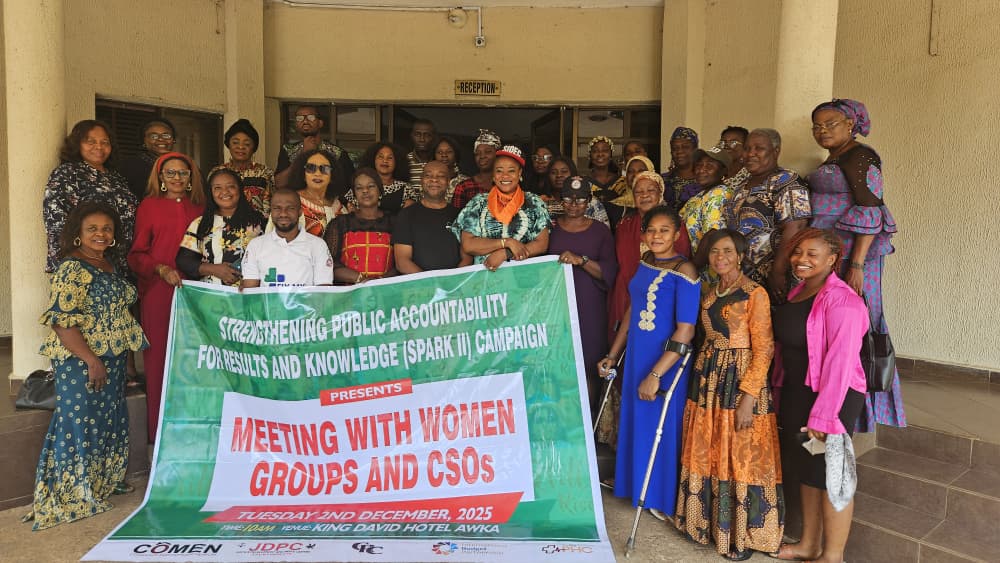
They made the call during a SPARK 2 Town Hall Meeting in Awka, organised to enhance public accountability and promote improved maternal and child healthcare delivery.
The meeting brought together Ward Development Committees (WDCs), Community Empowerment Network (COMEN), Anambra State Town Unions Council (ASTUC), Civil Society Organisations (CSOs), Justice Development and Peace Caritas (JDPC), and Social and Integral Development Centre (SIDEC), with support from IBP.
Executive Director of SIDEC, Ugochi Ehiahuruike, said the forum was to strengthen service delivery and push for women’s inclusion in decision-making positions within WDC structures. While women constitute a reasonable percentage of membership in WDCs, she noted that only 11 percent occupy elective leadership positions.
“Our goal is to work with community and market women, WDC chairpersons, CSOs and the media to change this narrative. We are hopeful that by the next election cycle, women’s representation in elective WDC positions will increase by at least 20 percent,” she said.
She added that the engagement was also to secure commitments from community heads, religious institutions and faith-based groups to support women’s involvement.
Director of JDPC Nnewi, Rev. Fr. Ben Okolo, regretted the continued low patronage of PHCs despite the state government’s investment in facility upgrades.
He stressed the need for more women in leadership to rebuild public trust and improve community utilisation of PHCs.
“Major users of PHCs are women and children. If more women are in leadership, patronage will improve,” he said, urging communities to take ownership of PHC facilities.
Programme Manager at JDPC, Onyekachi, explained that discussions also focused on welfare and resource allocation for health workers, and the need for policy reforms that strengthen healthcare systems.
WDCs dominated by men
He revealed that in the 58 PHCs across 24 communities in six LGAs where the organisation currently works, men dominate leadership despite women being the key patrons.
“If women lead, they will better understand and address issues affecting maternal and child health. Equity demands fair gender representation so women’s voices will count on decision-making table,” he said.
He further emphasised the need for awareness to secure the support of husbands and community leaders, noting that many cultural norms still restrict women from taking leadership roles outside the home.
Executive Director of Civil Rights Concern (CRC), Okey Onyeka, commended women already active in PHC committees and urged more women to contest leadership positions for stronger representation and better impact.
Sharing her experience, Mrs. Ogoamaka Atuiyi, WDC Chairperson of Utu PHC, highlighted manpower shortages, lack of consumables and inadequate security as key problems facing PHCs in the state.
“Most PHCs have only one officer-in-charge attending to more than 20 patients, especially during immunisation. When the OIC is absent, the centre remains locked unless supported by volunteers,” she said.
She called on the government to deploy more nurses, supply essential delivery materials such as gloves and injections, and increase security and support staff to ensure smooth operations.
Despite ongoing reforms and the provision of free antenatal and delivery services, stakeholders agreed that true transformation will only be achieved when women are given leadership space within PHC systems, enabling decisions and solutions shaped by those who understand maternal and child health realities most.