The life imprisonment sentence handed to the leader of the Indigenous People of Biafra (IPOB), Mazi Nnamdi Kanu, by the Federal High Court in Abuja has been described as a “welcome development” by the Igbo Youth Leaders and Stakeholders Assembly.
Justice James Omotosho, who delivered the ruling on Thursday, sentenced Kanu to life imprisonment on counts 1, 4, 5, and 6 relating to terrorism charges.
He also imposed 20 years without an option of fine on count 3, and five years without an option of fine on count 7.
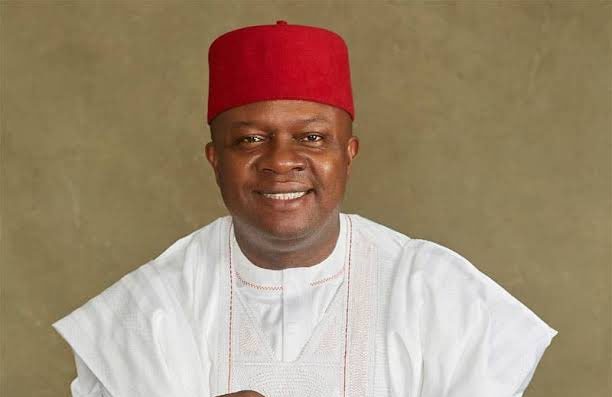
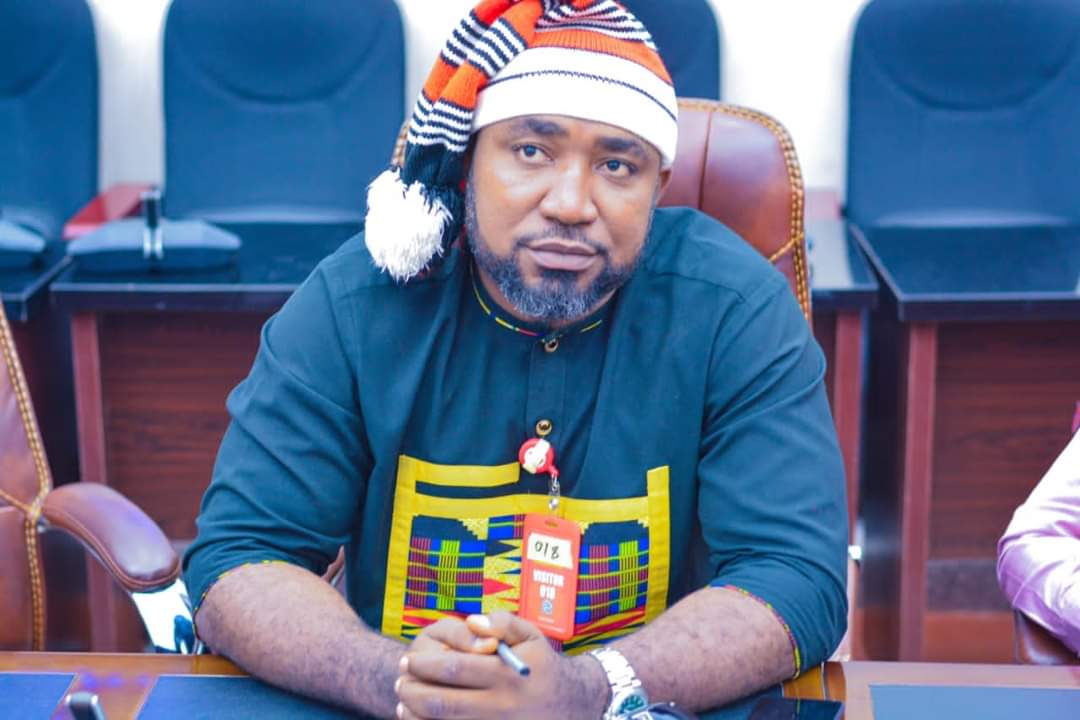
Reacting in an exclusive interview in Awka, the leader of the Assembly, Mazi Chukwuma Okpalaezeukwu, said he was relieved that after years of prolonged detention without trial, the courts had finally delivered a judgment—no matter its outcome.
According to him, Kanu’s long incarceration without a verdict had inflicted “mental torture” on people of the Southeast and deepened feelings of marginalization.
“This judgement is a welcome development because, after a long period of injustice and delay, the judiciary has finally acted,” he said.
“Now there is a judgment, and where there is judgment, there is room for appeal. Justice has taken its course.”
Ruling doesn’t close the door
Okpalaezeukwu insisted that the ruling, rather than closing the door, has now created the opening for President Bola Tinubu to consider a political resolution, including the possibility of granting a presidential pardon.
“Political solution was impossible while the case was still in court,” he explained.
“Now that judgment has been delivered, the President has the platform to apply a political solution. We believe strongly that pardon is now feasible.”
Addressing concerns about Kanu’s conduct during the trial and his refusal to open a defence, Okpalaezeukwu described such incidents as human reactions in emotionally-charged situations.
He emphasized that the priority should be resolving broader national tensions and addressing the long-standing grievances of the Igbo people.
“One viable path forward is national healing,” he said. “There are deep wounds, and healing must come before security and peace.
“We urge the President to rise to the challenge, as the nation grapples with multiple crises.”
The youth leader reiterated a call for a comprehensive political solution—not only for Kanu’s case but for the wider socio-economic and political issues affecting the Southeast and Nigeria at large.