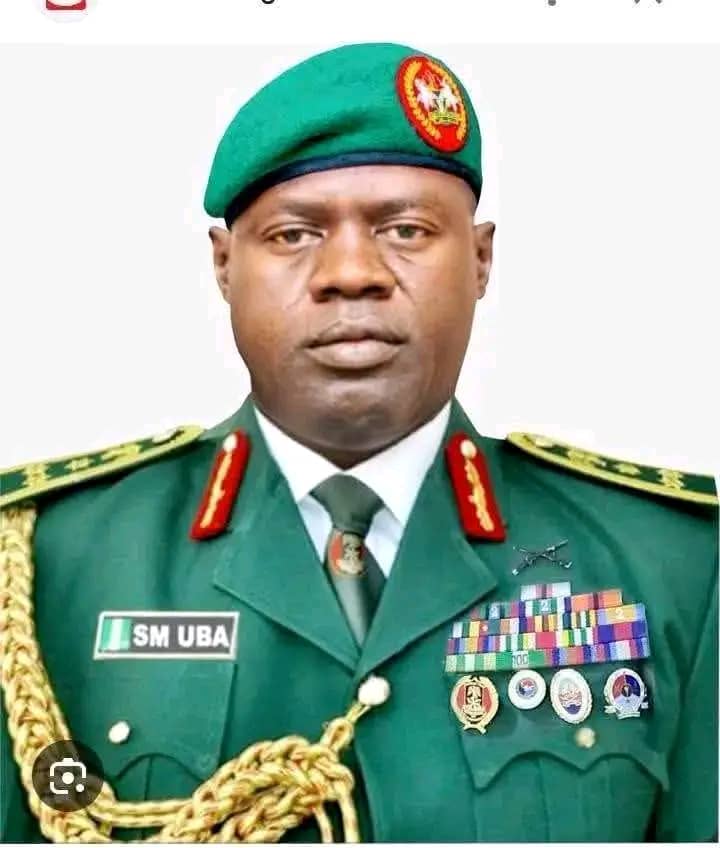
Nigerian human rights lawyer and Lead Counsel to the Indigenous People of Biafra (IPOB), Ifeanyi Ejiofor, has raised fresh concerns over the killing of Brigadier General M. Uba, insisting that the ambush that claimed the senior officer’s life could not have occurred without internal sabotage within Nigeria’s security architecture.
In a strongly worded statement titled “Midweek Musing: Unending Mourning — ISWAP Strikes Again and Nigeria Is Left Counting Its Wounds,” Ejiofor questioned how an entire military detachment led by a Brigadier General could “walk straight into an ambush” without insider collaboration.
Describing the killing as a national embarrassment and “the last straw in a long history of sabotage, state failure, and strategic complacency,” he said the tragedy should jolt the nation into confronting its uncomfortable realities.
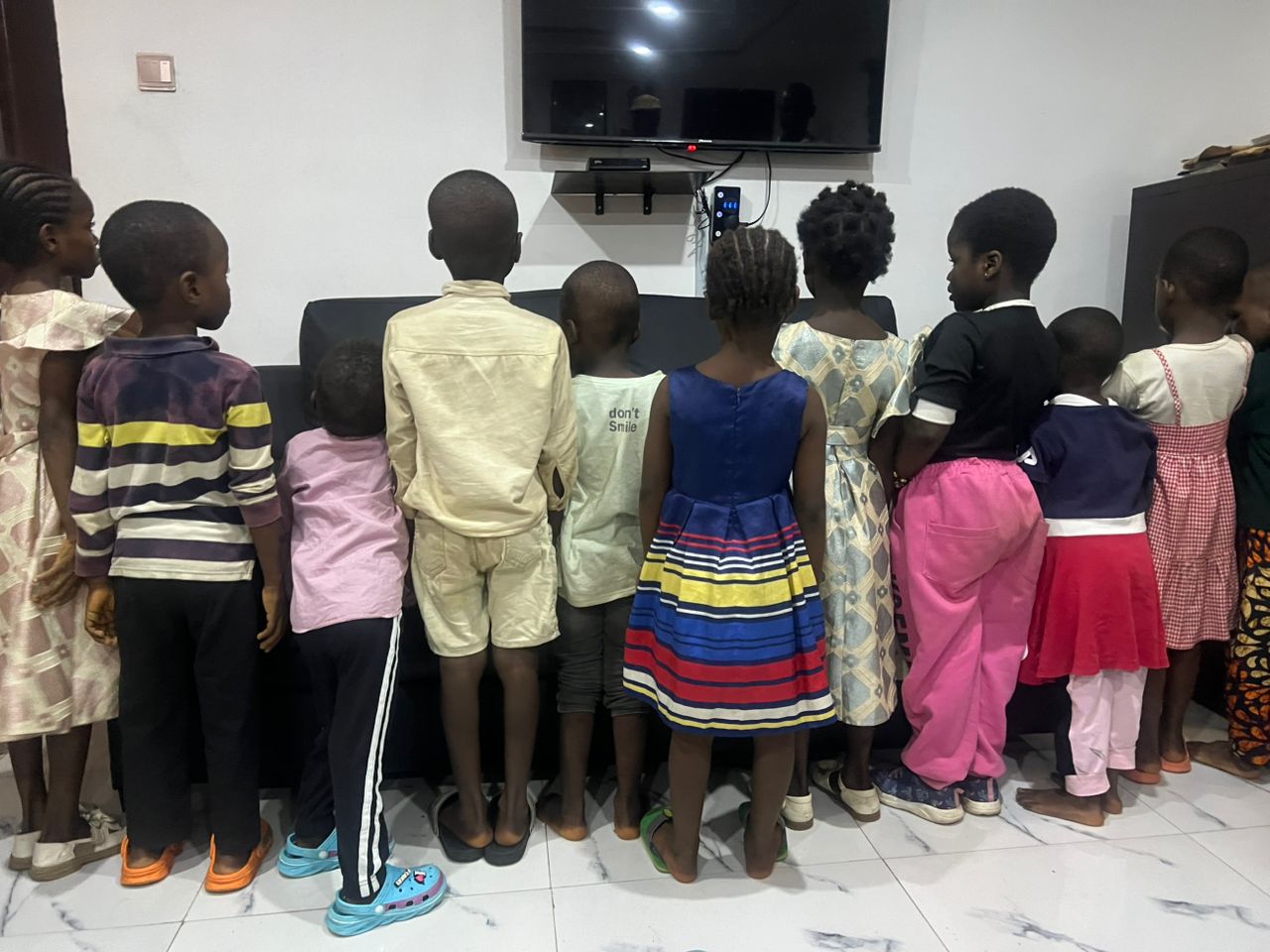
Ejiofor lamented what he called a disturbing pattern: Nigeria, once recording fewer ambushes against senior officers, is now grappling with the abduction of 25 schoolchildren and a resurgence of high-profile military casualties, while the nation “barely blinked.”
He argued that rather than addressing these security crises, Nigerians have become distracted by political theatrics and partisan conflicts that add no value to national safety.
Saboteurs within
“For over a decade, experts have warned that Nigeria’s greatest threat is not only the armed groups hiding in forests but the saboteurs embedded within the system,” Ejiofor wrote.
“The monsters do not always come with fangs; sometimes they come with ranks.”
The human rights lawyer described as alarming the boldness with which bandits now operate across the country, extorting “protection fees” from helpless citizens despite Nigeria possessing one of the largest standing armies in Africa.
He argued that such impunity could only thrive if powerful actors within the system were enabling it.
“Someone is withholding the truth, and Nigerians deserve to know that truth,” he stated.
Ejiofor also criticized what he termed the nation’s muted reaction to General Uba’s death, contrasting it with the dramatic political tensions in Abuja, where members of a political party nearly set property ablaze over internal disputes.
He questioned why such energy was not directed toward addressing national insecurity.
Reflecting on recent military leadership, Ejiofor pointed to the tenure of former Chief of Defence Staff, General Christopher Musa (rtd), during which major military casualties involving senior officers reportedly declined.
Intelligence management
He suggested that improved organizational discipline and intelligence management at the time may have contributed to greater safety of troops on the frontline.
“Something is not aligning,” he said. “Why this sudden resurgence of high-profile military casualties? Why the renewed audacity from violent elements and the strange quietness from authorities?”
He condemned what he called the token response of the National Assembly, which held a “one-minute silence” following the General’s death.
He questioned whether the silence was meant to honour the fallen officer or symbolised “mourning a nation that has forgotten the things it should be outraged about.”
Ejiofor insisted that Nigeria must stop pretending and begin to address the rot within its security apparatus.
According to him, until saboteurs embedded in the system are identified, exposed, prosecuted, and permanently removed, Nigeria’s battle against insurgency will remain “a painful cycle of avoidable heartbreaks.”
“The death of Brigadier General M. Uba must be the final tragedy that pushes this nation to confront its uncomfortable truth,” he warned.
“May this tragedy awaken a country that has slept too long. Our collective safety is not a favour; it is a constitutional duty owed by those entrusted with power.”
Ejiofor’s comments add to growing calls for an independent and transparent investigation into the circumstances surrounding the ambush that claimed the Brigadier General’s life.