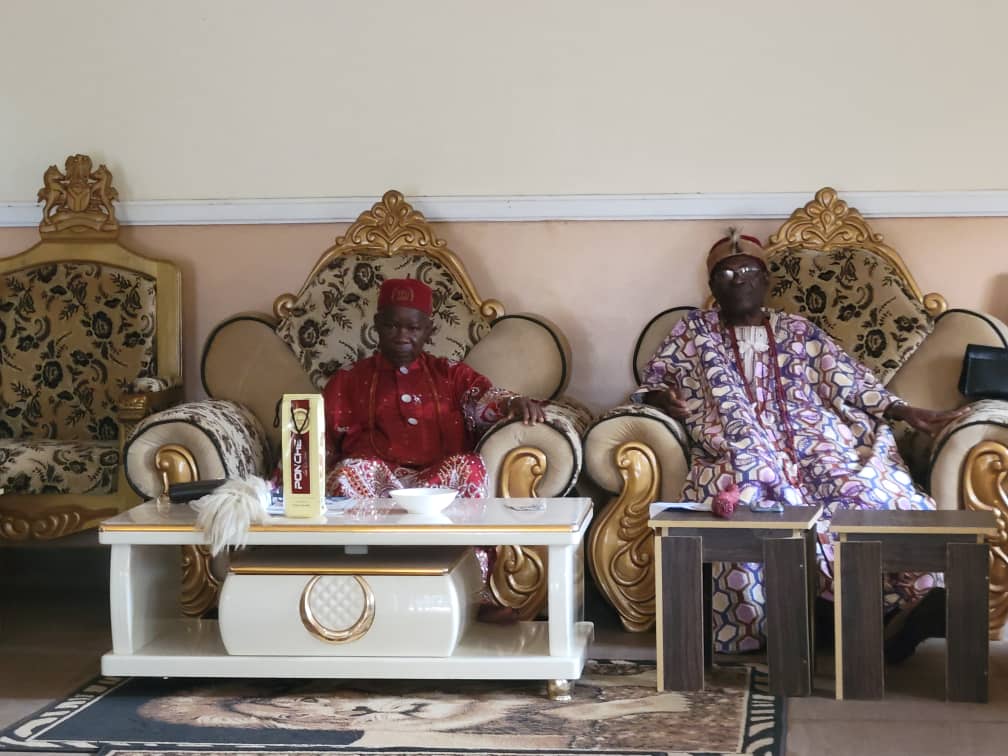
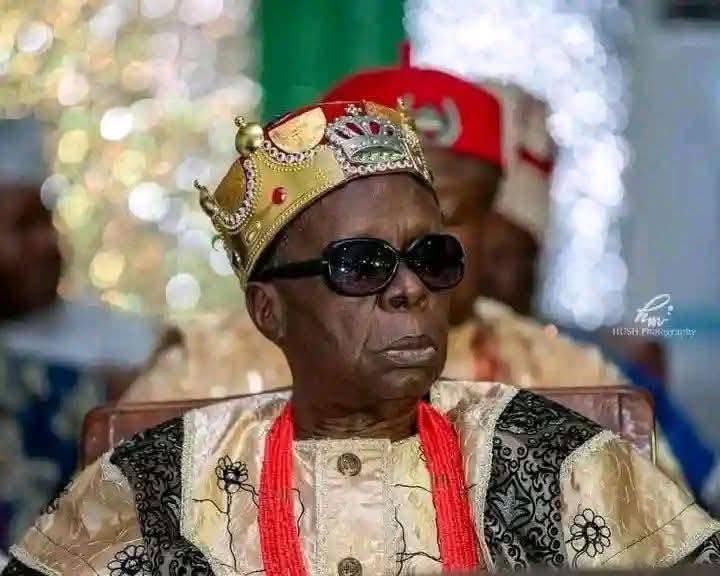
The Anambra State Government has issued a White Paper to formalize its recognition of Obi Gibson Nwosu as the legitimate and incumbent traditional ruler of the community of Awka, the state capital.
The White Paper follows the report of the state-appointed panel of inquiry, which recently investigated the protracted Awka traditional stool dispute.
The panel, chaired by retired Justice Paul Obidigwe, after weeks of hearings, memoranda, and testimonies affirmed Obi Nwosu was not lawfully dethroned and remained the legitimate ruler.
The panel also declared the emergence of Chief Austin Ndigwe as contrary to due process.
The White Paper effectively adopts and formalizes the panel’s conclusions, providing the legal and administrative backing needed to enforce the decision and bring finality to the long-running crisis.
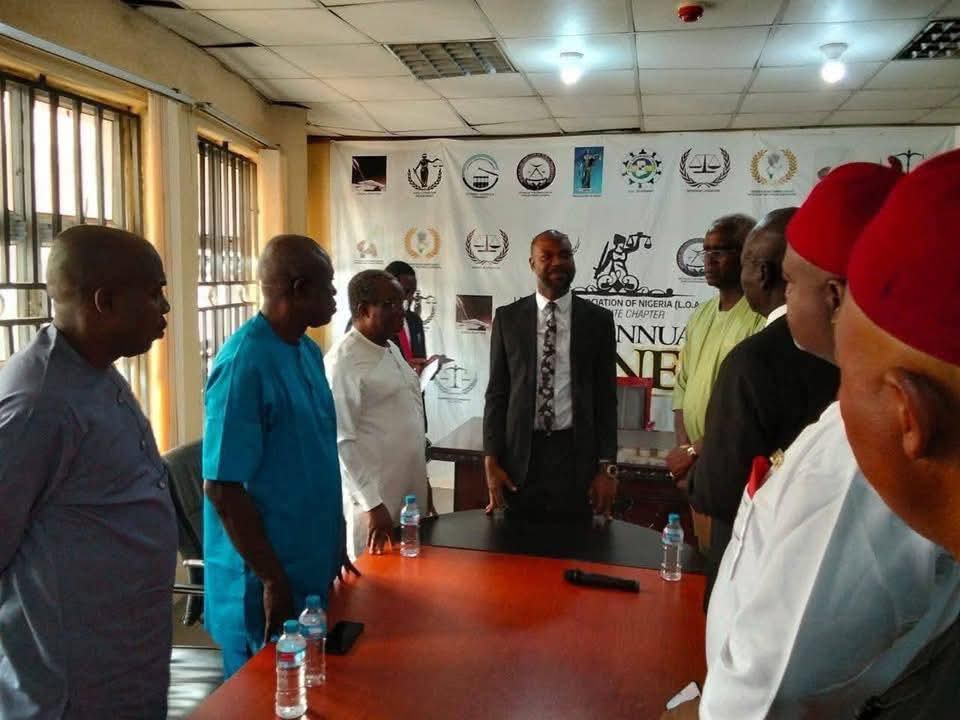
Presenting the document in Awka, the Attorney General and Commissioner for Justice, Mr. Tochukwu Nweke (SAN), read out the government’s position before handing the report to the President General of the community, Mr. Frederick Chinwuba.
He stated that the decision followed a thorough review process and aligns with existing customary laws guiding the Awka traditional institution.
According to the White Paper, the government reaffirmed that the traditional stool of Awka remains rotational between the Ifite and Ezi sections, as stipulated in Article 8 (paragraphs B and C) of the Awka Traditional Rulers Amended Constitution of 1986.
It further outlined the succession order, noting that future occupants of the throne would emerge from other quarters based on seniority, including Nkwelle, Amachalla Na Ato, Agulu, and Ifite Awka.
The government declared that Chief Austin Ndigwe is not the traditional ruler of Awka, describing his claim to the Ezeuzu throne as unlawful and without legal backing.
Key recommendations accepted
The state also accepted several key recommendations from the panel—specifically recommendations 4 through 10 and 12—while rejecting recommendation 11, which suggested that the government should set up a constitutional review committee.
Authorities clarified that such responsibilities rest primarily with the community, with government playing only an advisory role.
The development comes amid renewed efforts by the state government to strengthen traditional institutions and resolve lingering communal disputes across Anambra.
Observers note that this decisive stance is part of a broader governance approach aimed at promoting stability, preventing parallel leadership structures, and reinforcing respect for established customs.
Responding on behalf of the community, Deputy President General of Awka, Mr. Chris Obuekwe expressed appreciation to Governor Chukwuma Soludo for his intervention.
He noted that the decision has restored calm and unity in Awka after a prolonged period of tension.