
Residents of Anambra State have been urged to take deliberate actions towards protecting the environment and combating climate change, as the impacts of environmental degradation continue to threaten lives, livelihoods and communities across the state.
Chairman of the Nigerian Environmental Society (NES), Anambra State Chapter, Dr. Emman Ude Akpeh, made the call in a statement to mark the 2026 World Environment Day.
He stressed that climate action could no longer be left solely in the hands of government.
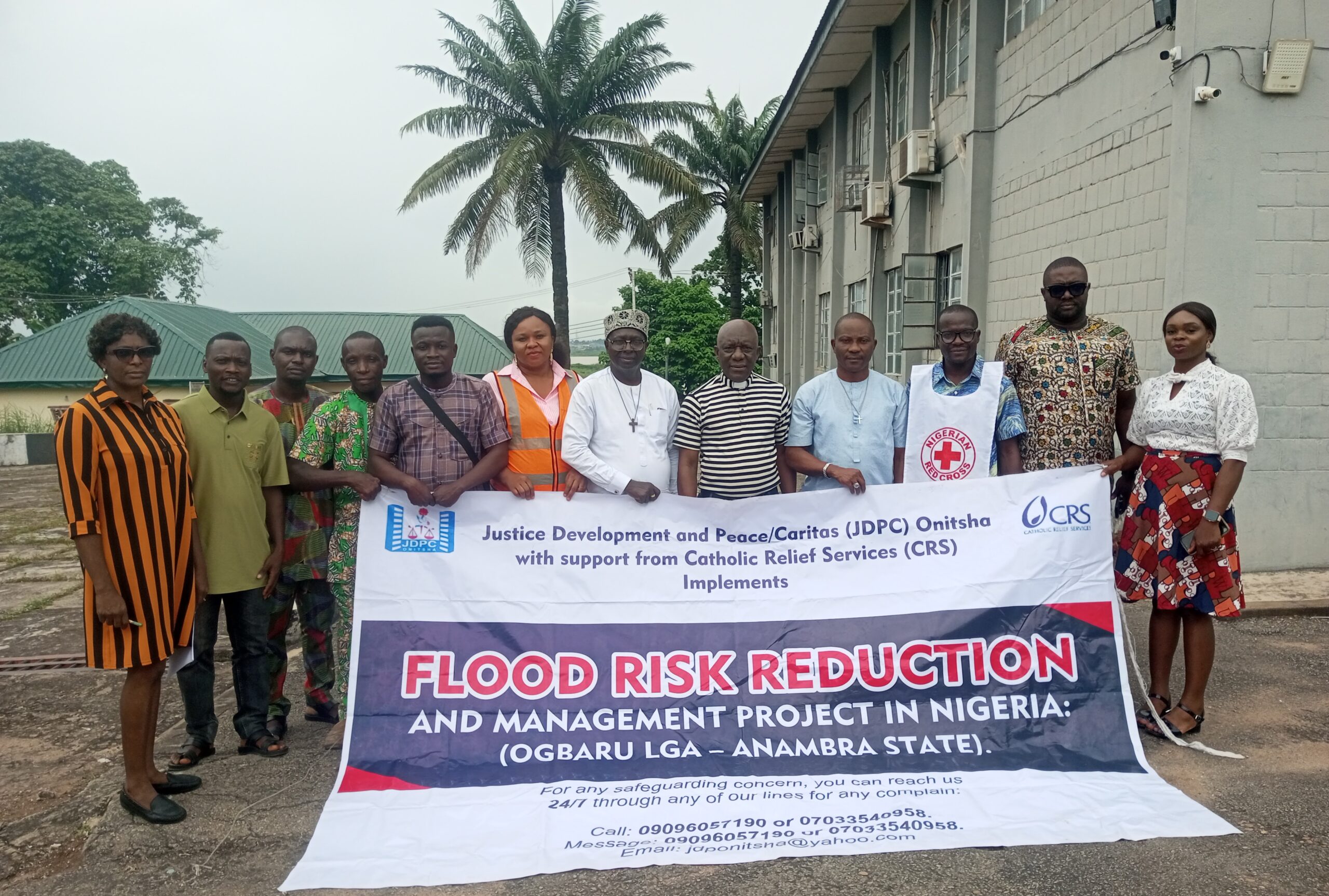
According to him, climate change is already manifesting in Anambra through devastating floods, worsening gully erosion, erratic rainfall patterns and rising temperatures, all of which pose serious risks to the state’s development and the well-being of its people.
“Climate change is not a distant threat; it is already at our door. We see it in the devastating floods that swallow communities, and the accelerating gully erosion tearing through our farmlands.
“We see it also in the unpredictable rains that disrupt agriculture and in the rising temperatures that burden the most vulnerable among us,” he said.
Urgent and real crisis
Akpeh warned that the climate crisis had become both urgent and real, requiring immediate collective action from citizens, institutions and governments.
He emphasized that meaningful climate action begins at the grassroots level, urging residents to abandon environmentally harmful practices such as open burning of waste, indiscriminate tree felling and pollution of rivers and other water bodies.
The environmentalist advocated the adoption of renewable energy, sustainable agricultural practices and green infrastructure as critical steps towards building resilience against climate change.
“Every individual choice, multiplied across millions of people, becomes the climate policy that actually works.
“In Anambra State, we cannot afford to wait for perfect conditions to act. We must act with what we have, where we are, starting today,” he stated.
Akpeh further stressed the need to place environmental sustainability at the centre of development planning and decision-making processes.
Sustainability consciousness
According to him, sustainability should guide how communities are built, how waste is managed, how agriculture is practised and how urban centres are planned.
He noted that environmental sustainability does not hinder development but rather ensures that today’s development efforts do not compromise the future of coming generations.
“A sustainable Anambra is one where clean water flows, where the air is fit to breathe, where forests are protected and rivers run clear.
“This is achievable, but only if we commit to it collectively,” he added.
The NES chairman also commended members of the society in the state for their contributions to environmental advocacy, community education and stewardship.
He charged them to intensify efforts towards raising awareness, engaging more communities, mentoring young environmental champions and holding leaders accountable on environmental issues.
Addressing residents directly, Akpeh called on individuals to plant trees, protect waterways, embrace sustainable practices and educate younger generations on environmental conservation.
He also encouraged citizens to demand climate-resilient policies and projects from their leaders.
Akpeh reaffirmed the commitment of the Nigerian Environmental Society, Anambra State Chapter to championing climate action, promoting environmental sustainability and support communities grappling with the consequences of climate change.
“The time for climate action is not tomorrow; it is today,” he declared.