
Osun State Government is embracing digital learning and Artificial Intelligence (AI) as part of efforts to tackle a growing education crisis that has left an estimated 297,000 children out of school.
Recent findings from the Multiple Indicator Cluster Survey (MICS-6), conducted by the National Bureau of Statistics (NBS) in collaboration with UNICEF, revealed that 13 per cent of children in Osun are currently out of school, the highest rate recorded in Nigeria’s South-West region.
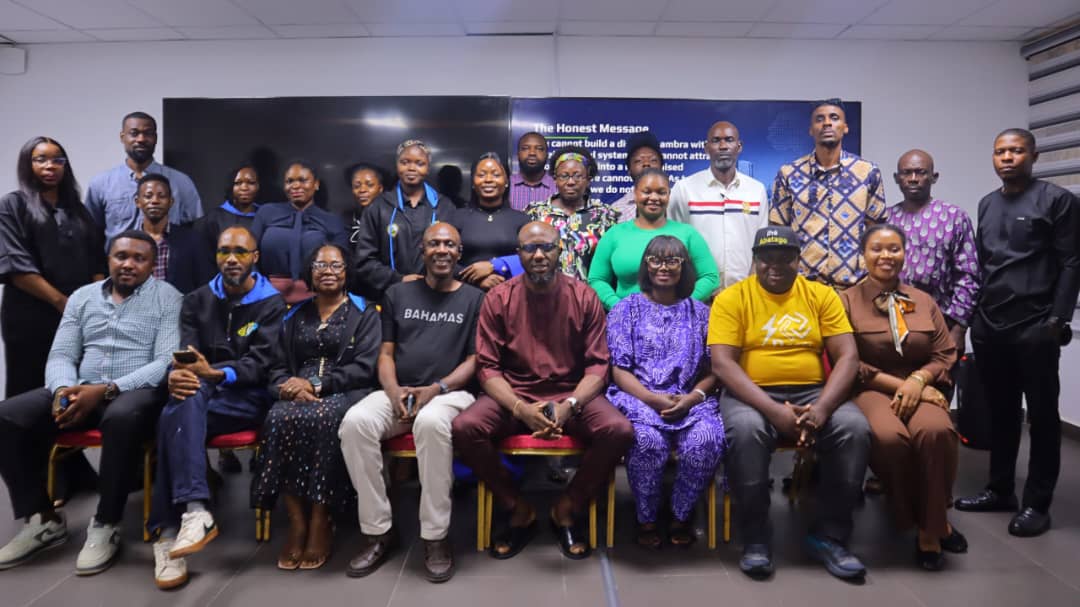
The challenge came under focus during a two-day media dialogue on Digital Learning, Artificial Intelligence and Skill Development for Out-of-School Children, organised in Osogbo by the Osun State Ministry of Education and UNICEF.
Speaking through the Permanent Secretary of the Ministry, Murtala Jimoh, the Commissioner for Education, Sunday Eluwole, described the out-of-school children phenomenon as one of the most critical challenges confronting the state’s education sector.
He said the government is increasingly relying on technology, strategic partnerships and community engagement to close learning gaps and expand access to education for vulnerable children.
According to him, AI-powered tools and digital learning platforms can help personalise education, identify learning deficiencies and provide flexible learning opportunities for children who are outside the conventional school system.
Eluwole noted that interventions such as the Nigeria Learning Passport and the creation of dedicated learning centres have already contributed to reducing the number of children roaming the streets without access to education.
UNICEF Lagos Field Office Chief, Celine Lafoucriere, however, warned that Nigeria’s education challenge extends beyond school enrolment.
She said many children who attend school are not acquiring basic literacy and numeracy skills.
“Only one in four children attending school can read and perform basic mathematics by the age of 14,” she said, adding that millions of children remain excluded from education and risk being left behind in an increasingly digital world.
She urged journalists to sustain advocacy and public awareness efforts on the issue.
20 million out-of-school children
UNICEF Education Specialist, Harold Kpojime, disclosed that Nigeria currently has nearly 20 million out-of-school children, the highest number globally.
He attributed the situation to factors including poverty, insecurity, cultural and religious barriers, gender inequality and geographical limitations.
Kpojime stressed the importance of reliable data in shaping effective policies and measuring progress in the education sector.
Participants at the dialogue agreed that while technology alone cannot solve the crisis, digital learning and AI-driven solutions offer significant opportunities to reach children in remote and underserved communities.
They called for increased investment in schools, teacher training, poverty reduction programmes and community engagement initiatives to ensure every child has access to quality education and the skills needed to thrive in the digital economy.