Alfred Ajayi
Obsession with plastics has long become a societal reality. From bottled water and takeaway packs to shopping bags, sachet drinks and food wrappers, plastics have become woven into modern living. They are cheap, convenient and disposable. But beneath this convenience lies one of the gravest environmental threats of our time.
On May 25, the global community marked International Plastic Free Day – an occasion which reminds that humanity’s growing dependence on plastics is steadily poisoning the planet, worsening the climate crisis and threatening public health.
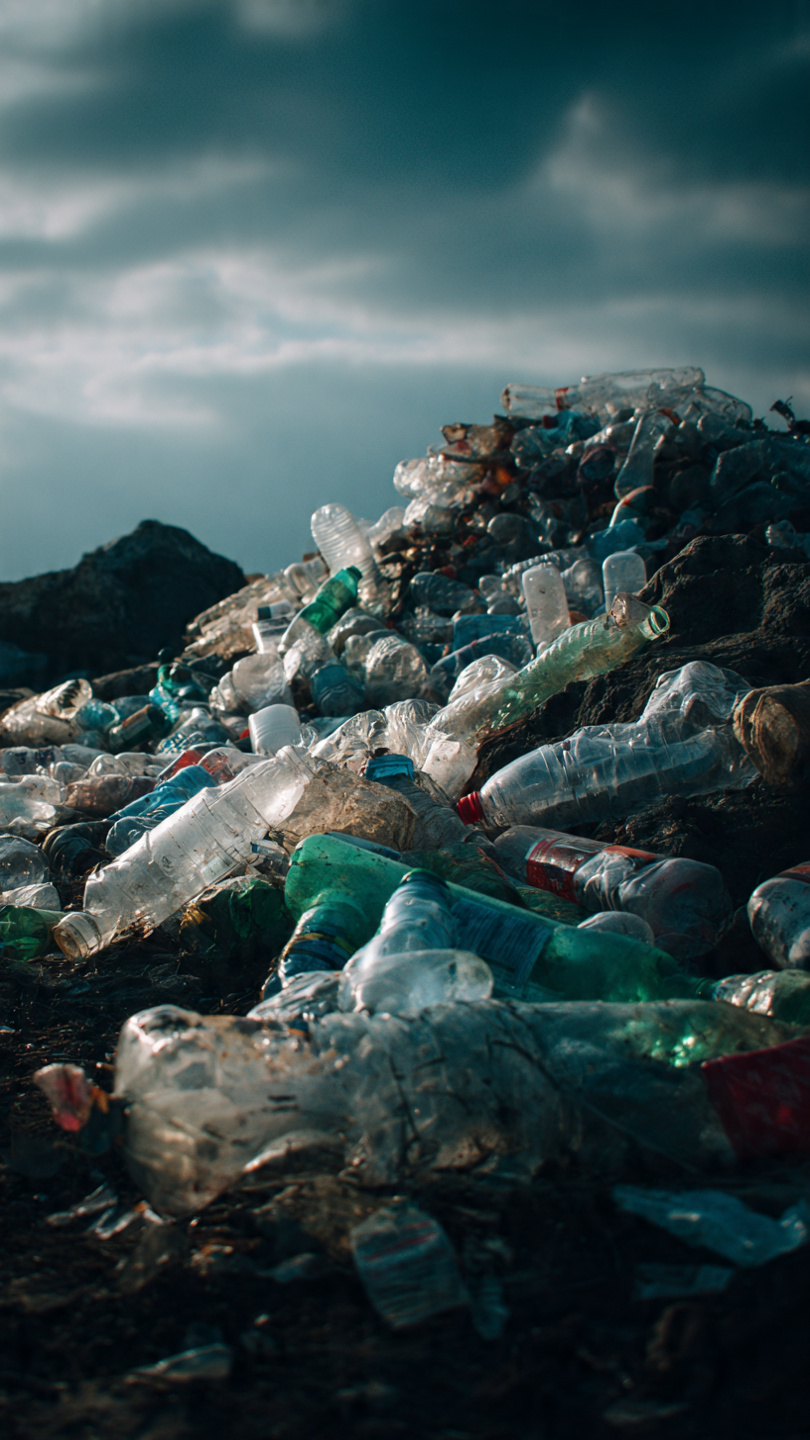
Globally, millions of tonnes of plastic waste are generated every year, with a significant percentage ending up in oceans, rivers, drainage systems and open dumpsites. According to the United Nations Environment Programme (UNEP), plastic pollution has become a planetary crisis affecting ecosystems, biodiversity and human wellbeing.
Nigeria is no exception. Across cities and rural communities, clogged drainages filled with plastic waste contribute heavily to flooding during the rainy season. In markets, streets and waterways, discarded nylon bags and plastic bottles have become permanent features of the environment. Open burning of plastic waste is a common disposal method in many communities, which releases toxic chemicals into the atmosphere and exposes people to respiratory illnesses and environmental hazards.
Worse still, the danger of plastics extends beyond visible pollution. Plastic production itself is deeply tied to fossil fuels. Most plastics are made from petroleum and natural gas. From extraction to manufacturing and disposal, plastics release greenhouse gases that contribute directly to global warming. According to the Organisation for Economic Co-operation and Development (OECD), plastic production and waste are projected to more than double by 2060 if urgent action is not taken.
Plastics contribute to the climate crisis. Scientists warn that greenhouse gas emissions from plastics could significantly undermine global efforts to limit temperature rise under the Paris Agreement. According to the Center for International Environmental Law, plastic emits greenhouse gases at every stage of its lifecycle — from oil drilling and refining to production, transportation and incineration.
Menacing microplastics
This is further compounded by the growing menace of microplastics – tiny plastic particles that break down from larger plastic materials over time. Microplastics have been found in oceans, fish, drinking water, soil and even the human bloodstream.
Little wonder researchers are increasingly linking microplastic exposure to health concerns including hormonal disruption, reproductive problems and organ damage.
Marine ecosystems are among the worst hit. Sea turtles mistake plastic bags for jellyfish and die after ingesting them, while birds and marine animals become trapped in discarded fishing nets and plastic rings. Oceans, once symbols of life and abundance, are slowly becoming dumping grounds for human waste.
The tragedy is that most plastics are discarded after single use. Plastics such as straws, sachets, disposable cutlery, cups and shopping bags have become the biggest contributors to pollution. Convenience has created a throwaway culture with devastating consequences.
A major way to address the climate crisis is to eliminate plastic waste. The world cannot recycle its way out of the plastic crisis alone without change in consumption patterns.
Ban on certain plastics
Governments have a critical role to play because stronger policies and laws are needed to regulate plastic production, encourage recycling and phase out harmful single-use plastics. Lagos State is commended for banning use of single-use plastics. While stringent implementation is advocated, other states should replicate the gesture.
Several countries have already introduced bans or restrictions on certain plastic products. Nigeria and other developing nations can strengthen waste management systems, invest in recycling infrastructure and enforce environmental laws more effectively.
The private sector must also rethink packaging and production methods. Companies that produce plastic-packaged goods cannot continue shifting responsibility to consumers alone.
Businesses should embrace environmentally friendly alternatives, invest in sustainable packaging and support circular economy initiatives where products are reused instead of discarded.
Non-governmental organisations and environmental advocates have continued to play an important role through awareness campaigns, clean-up exercises and community engagement. Their work is helping to educate citizens on the dangers of plastic pollution and the importance of sustainable living. However, these efforts require stronger institutional support and wider public participation.
The media also has a responsibility. Environmental reporting should not be seasonal or limited to international observance days. Consistent reporting can help communities understand the connection between waste management, flooding, public health and climate change.
Role of journalists
More journalists should prioritize amplifying local solutions, holding authorities accountable and sustaining public conversations around environmental responsibility.
Communities themselves must become active participants in waste reduction efforts. Local associations, schools, markets and religious institutions can organise recycling campaigns, discourage indiscriminate dumping and promote environmental sanitation. Community-led action often produces lasting behavioural change because it creates collective ownership of the problem.
At the individual level, the choices people make daily matter greatly. Carrying reusable shopping bags, avoiding unnecessary plastic packaging, using refillable water bottles and properly sorting waste may appear small, but collectively they make a significant difference. Consumers also wield enormous influence through their purchasing decisions. When people demand sustainable alternatives, industries are forced to adapt.
Alternatives to plastics already exist. Reusable cloth bags, paper packaging, glass containers, metal straws and biodegradable materials offer safer and more sustainable options. Traditional African lifestyles once relied heavily on reusable containers, baskets and leaves for packaging before the explosion of modern plastics. It will profit us to revisit some of these indigenous practices.
Twin fight
Ultimately, the fight against plastic pollution is inseparable from the fight against climate change. Both crises are driven by unsustainable production and consumption patterns. Both require urgent global cooperation and local action. And both will disproportionately affect vulnerable populations if ignored.
International Plastic Free Day should therefore not end with speeches and hashtags but should inspire practical commitment. Humanity’s obsession with plastics has lasted for decades, but the environmental consequences can no longer be ignored.
The planet is drowning in plastic waste. Rivers are choking. Oceans are suffocating. The climate is warming. The question now is whether society is willing to sacrifice convenience for survival.
The future may well depend on that answer.
This article was first published by Radio Nigeria