By Emma Elekwa
The TB Network State Advocacy Team (SAT) says Primary Healthcare Centers (PHCs) in Anambra State continue to face chronic underfunding amid multiple government interventions and support from development partners.
This development the group noted is undermining service delivery and health outcomes across the state.
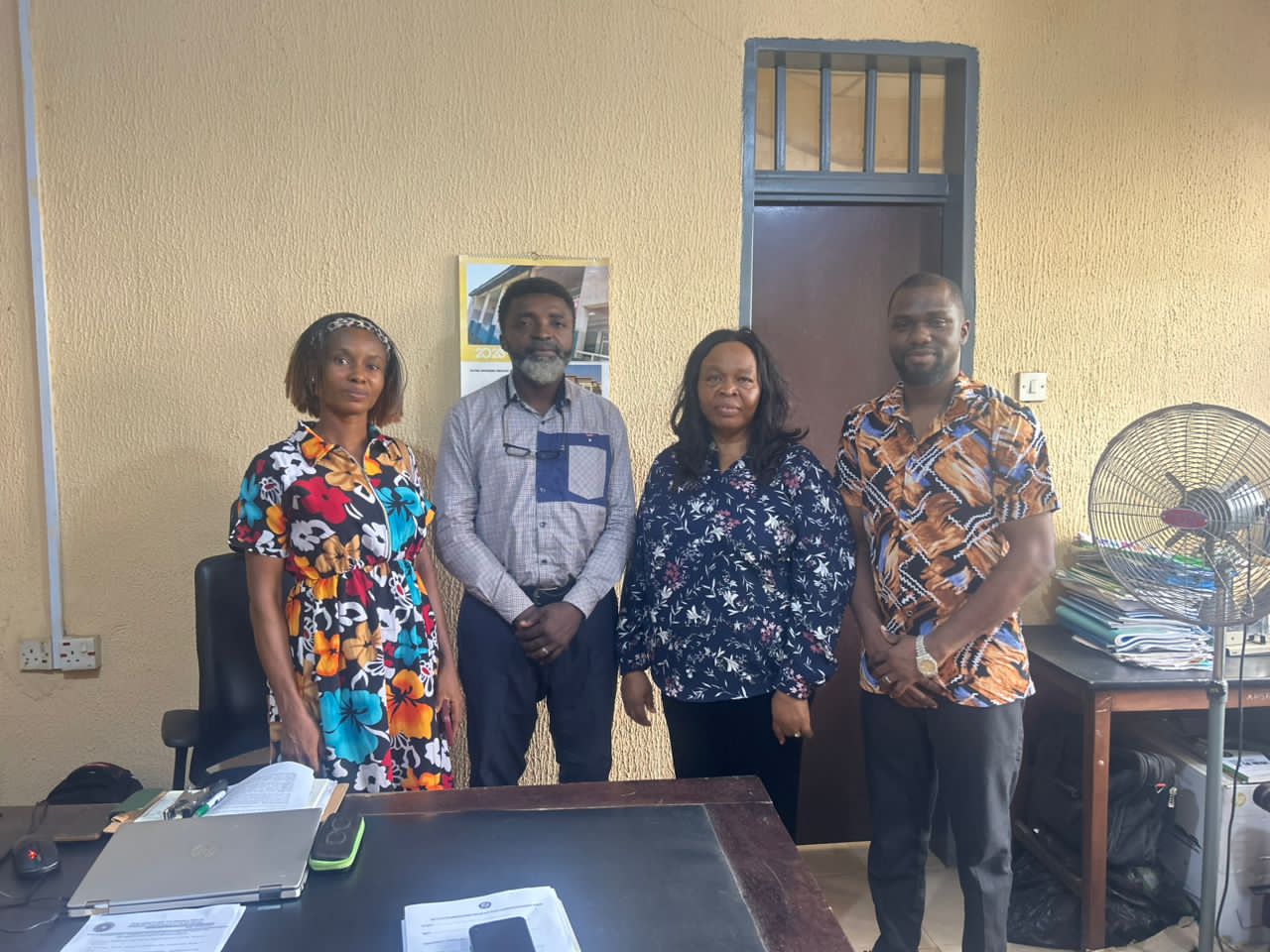
State Program Officer, Onyekachi Ololo, raised the alarm during a presentation on PHC funding and service delivery gaps at the Ministry of Health’s Planning, Research and Statistics (PRS) Department.
The advocacy engagement formed part of ongoing stakeholder collaboration under the Integrated Community-Led Monitoring (CLM) Project.
“Despite various funding streams and support interventions from government agencies and partners, PHCs in the state remain significantly underfunded,” Ololo noted.
“This persistent underfunding is reflected in service output, quality of care, and the availability of essential resources.”
Ololo emphasized the need for strengthened research and documentation on trends in the three major disease areas—AIDS, Tuberculosis (TB), and Malaria—particularly at the community level where service delivery is most fragile.
He called for PRS support to enhance operational research, evidence-based reporting, and facility-level data collection to inform better planning and decision-making.
Highlighting the grassroots reach of the initiative, Ololo explained that the TB Network currently operates nine Community-Led Monitors across three Local Government Areas—Onitsha North, Idemili North, and Dunukofia—covering nine communities and nine PHCs.
“Community-Led Monitors are working with stakeholders to promote health-seeking behavior, adherence to treatment protocols, early case detection and referral, and improved PHC readiness for better outcomes,” he said.
Confidence building
The structured community engagement approach, he added, is building confidence in local health systems and identifying critical gaps that require government attention.
The advocacy visit aimed to foster collaboration with the Ministry of Health, particularly the PRS Department, to support improved data systems, research, and evidence-based planning across PHCs.
“The visit was designed to secure government buy-in and institutional partnerships for addressing service delivery gaps in AIDS, TB, and Malaria through community-driven accountability mechanisms,” Ololo explained.
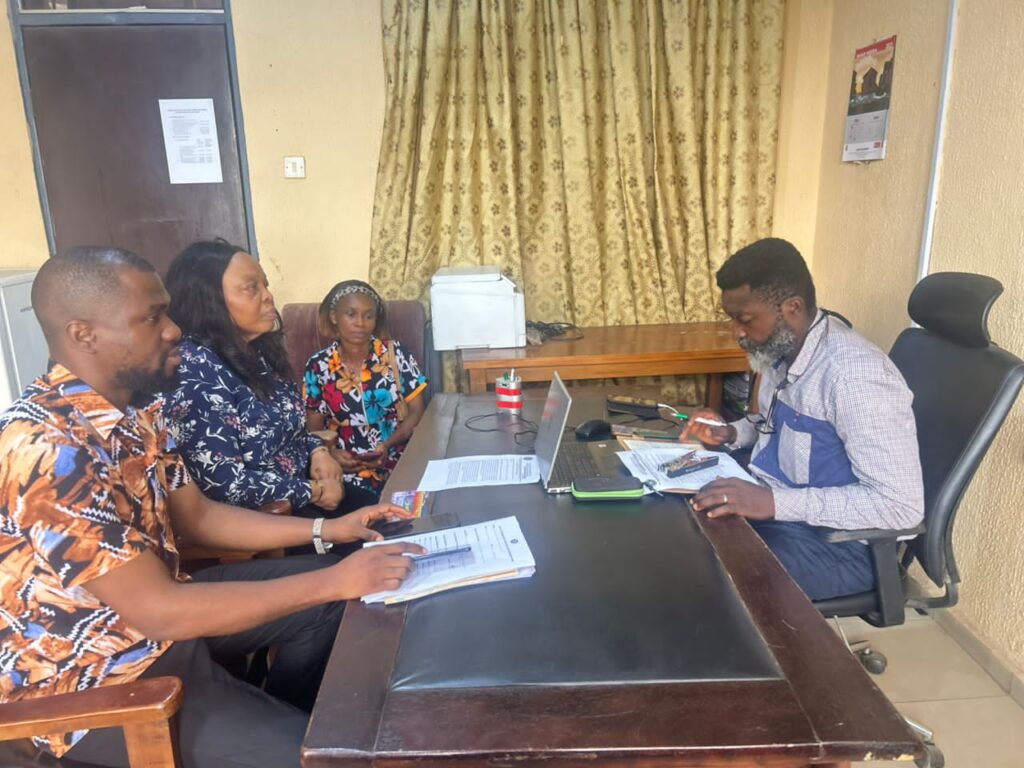
State Project Coordinator, Mrs. Ify Unachukwu, elaborated on the CLM approach.
She noted that trained community actors monitor service delivery performance, document evidence, and engage duty bearers to drive improvements.
“This initiative strengthens community participation and ownership of PHCs while promoting accountability in service delivery,” she said.
Unachukwu emphasized the critical role of the PRS Department, describing it as central to generating quality data for planning, policy formulation, and resource allocation.
She called for continuous cooperation to ensure that grassroots data complements the Ministry’s planning processes, strengthens reporting systems, and improves PHC outcomes.
In his response, Director of Planning, Research and Statistics, Mr. John Paul Onyekinaso, commended the TB Network for supporting health system improvement through community participation.
He expressed satisfaction with the project’s clarity and strategic approach, highlighting its alignment with the Anambra State Government’s Solution Agenda, which prioritizes strengthening primary healthcare systems.
“The Solution Agenda emphasizes expanding access to quality services, improving PHC functionality, enhancing disease prevention and treatment outcomes, and strengthening data management and accountability,” Onyekinaso said.
“Strengthening AIDS, TB, and Malaria services at PHCs is critical for sustainable health outcomes.”
Accessible data systems
He praised the Ministry’s existing data systems as accessible, structured, and professional, and encouraged the advocacy team to continue providing evidence-based observations from PHCs.
“Such facility-level information is vital for planning, policy adjustments, and budget allocation,” he said, affirming his department’s commitment to collaboration.
The engagement produced several outcomes, including the formal introduction of the Integrated CLM Project to PRS, strengthened communication pathways, and recognition of community monitoring as an effective accountability tool.
The Director pledged support for sharing facility-level evidence to guide planning and budgeting, reinforcing the value of quality health data for governance.
The advocacy visit has thus strengthened institutional partnership prospects between the Ministry and the Anambra State TB Network.
It also underscores the importance of evidence-based, community-driven strategies in improving PHC service delivery in the areas of AIDS, Tuberculosis, and Malaria.
The group noted that sustained collaboration with PRS and continued use of the CLM approach could significantly enhance PHC performance and help align outcomes with the Anambra State Government’s Solution Agenda, ultimately benefiting communities across the state.