
South African authorities have deported three Nigerian nationals after refusing them entry at O. R. Tambo International Airport, officials and diplomatic sources confirmed on Monday.
The travellers were returned to Lagos following intervention by Nigerian authorities.
The incident unfolded on Sunday, April 5, when the three Nigerians arrived in Johannesburg on what they said were valid visas and travel documents.
Among them was a Nigerian media personality known by his social media handle Yemi (@YemiFirstson or Just_Yemi).
In a series of posts, Yemi claimed that he and his companions were “unlawfully detained” at the airport despite having visas and complete documentation.
He alleged that officials singled them out, seized a phone and initially refused to arrange an immediate flight back to Nigeria.
He said he felt unsafe during the detention and called for “prompt repatriation.”
South African immigration authorities later issued a statement explaining why entry was denied.
Officials said one of the travellers had previously made online posts containing insulting remarks about the South African governmen.
“The posts had placed him on an immigration watchlist,” the official said..
When questioned at the port of entry, the individual was reportedly unable to explain or substantiate those posts to the satisfaction of border officials, which “further aggravated the situation.”
NIDCOM Confirmed the Return
The Nigerians in Diaspora Commission (NIDCOM) confirmed the return of the three nationals to Lagos on Monday morning. In its statement.
The commission urged Nigerians travelling abroad to ensure they apply for visas through official channels, verify all application details personally and carry supporting documentation.
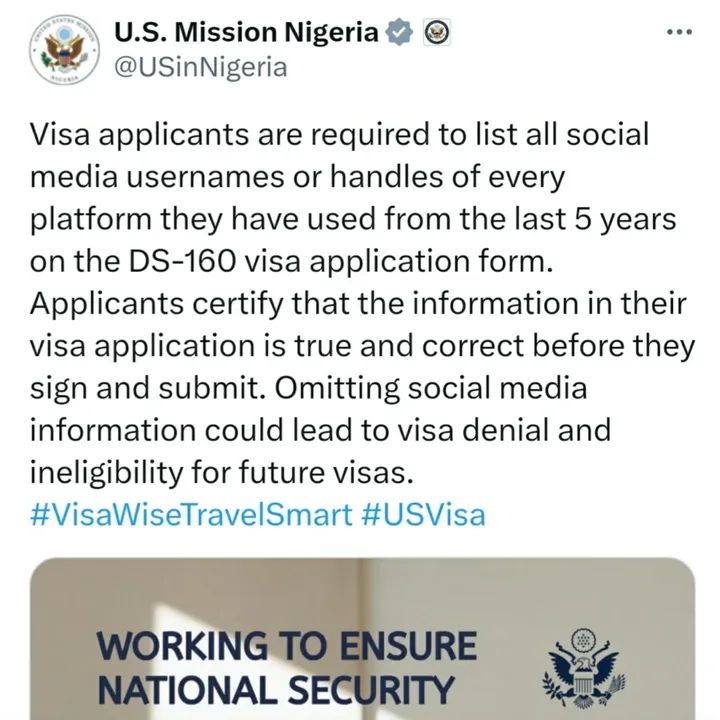
It also warned that derogatory or inflammatory social media posts about other countries can negatively affect visa and immigration decisions.
Under South African immigration laws, border officials have broad discretion to refuse entry to travellers who cannot adequately justify their visit.
The officials could also refuse entry to travellers who are deemed a potential risk, including based on digital behaviour or past public statements.
The case highlights growing awareness among travellers about how online activity can affect immigration outcomes.
It also underscores the importance of due diligence when planning international travel.