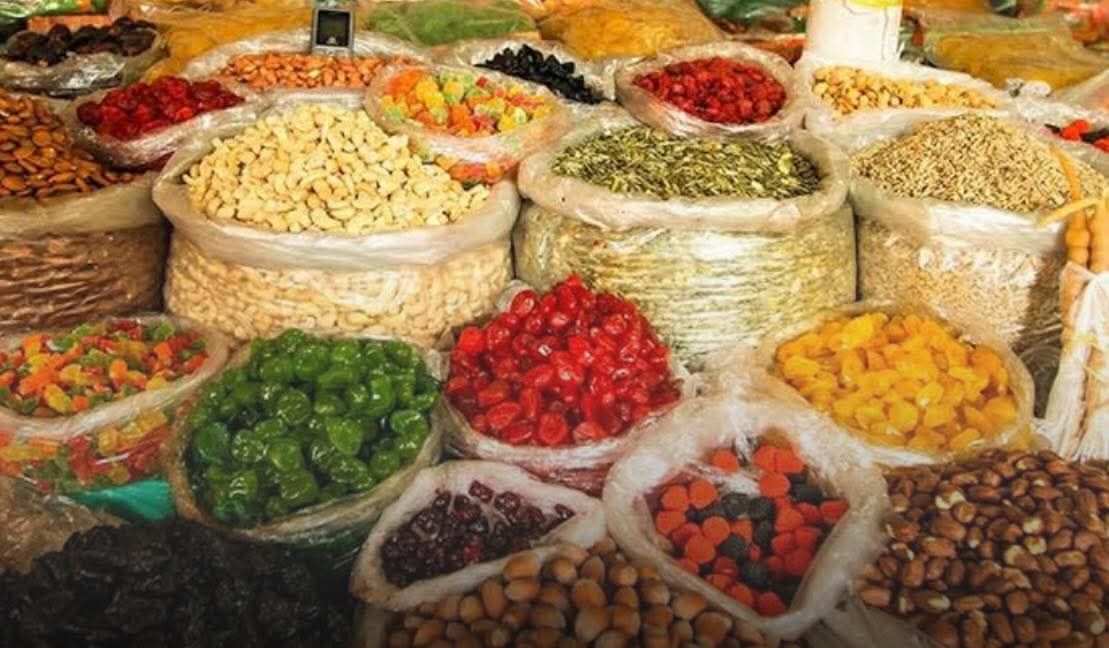
The European Union (EU) has raised concern over Nigeria’s growing food waste challenge, disclosing that the country loses an estimated 38 million tonnes of food annually, the highest in Africa.
EU Deputy Ambassador, Zissimos Vergos, made this known in Abuja at an event marking International Zero Waste Day.
Vergos described the trend as alarming and a threat to food security, the economy and the environment.
He noted that reducing food waste remained critical to sustainable development, adding that nearly one billion tonnes of food were wasted globally in 2022.
He further warned that food waste accounts for up to 10 per cent of global greenhouse gas emissions and contributes significantly to methane pollution.
The envoy, however, acknowledged Nigeria’s efforts, including its circular economy roadmap and ongoing waste management initiatives, which he described as important structural steps toward addressing the problem.
He outlined key measures to tackle the crisis, including improving rural infrastructure such as roads and cold storage facilities to reduce post-harvest losses, promoting food processing into value-added products, and incorporating zero-waste education into school curricula.
Vergos said the EU, in collaboration with the Nigerian government and the United Nations Industrial Development Organization, was advocating urgent collective action, stressing that food waste also translates to wasted water, energy and labour.
Nigeria’s Minister of Environment, Balarabe Lawal, reaffirmed the Federal Government’s commitment to addressing the issue, noting plans to reduce food waste across major markets nationwide.
Lawal said efforts to cut food waste would help curb pollution, conserve resources and enhance food security.
Also speaking, a representative of the United Nations Industrial Development Organization, Philbert Johnson, emphasised the importance of efficient food systems to economic stability and public well-being, warning that inefficiencies could have far-reaching consequences.