
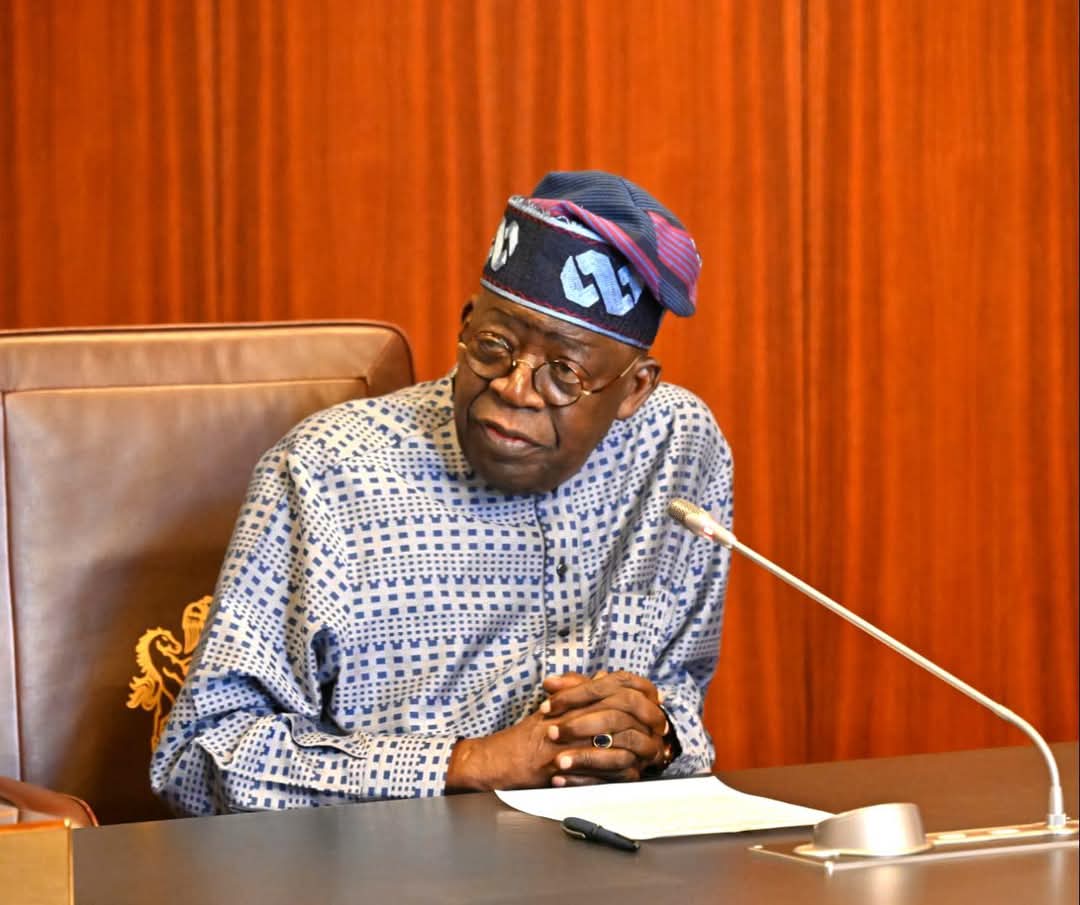
President Bola Tinubu has approved a ₦3.3 trillion payment plan aimed at settling longstanding debts in Nigeria’s power sector, a move expected to enhance electricity reliability nationwide.
The decision follows a comprehensive audit of legacy debts accumulated between February 2015 and March 2025.
After verification, ₦3.3 trillion was determined as the full and final settlement amount.
Implementation of the Presidential Power Sector Financial Reforms Programme has already begun. Fifteen power plants have signed settlement agreements totaling ₦2.3 trillion.
The Federal Government has mobilized ₦501 billion for the initiative, with ₦223 billion already disbursed and further payments underway.
Officials say the cash injection into the power value chain will support stable electricity generation, improve reliability, and create opportunities for increased investment and job creation in the sector.
Special Adviser on Energy to the President, Olu Arowolo-Verheijen, described the programme as transformative.
“This initiative is not just about paying off legacy debts; it is about restoring confidence in the power sector.
“It is about ensuring gas suppliers are compensated, and power plants remain operational,” she said.
Improved metering
The reforms also include improved metering and service-based tariffs that link electricity bills to the quality of power received.
Emphasis is being placed on ensuring reliable power supply to homes, industries, and small businesses—key drivers of economic growth and job creation.
“The goal is simple: more dependable electricity for Nigerians, stronger support for businesses, and a power system that functions efficiently,” Arowolo-Verheijen added.
President Tinubu commended stakeholders for their role in resolving the legacy debts.
He directed that the next phase of the programme commence this quarter, signaling a renewed commitment to reforming the sector.
The announcement was made on Sunday in a statement by Bayo Onanuga.