A growing crisis in Nigeria’s public education sector has come under renewed scrutiny, as concerns mount over the steady decline of once-thriving government-owned schools.
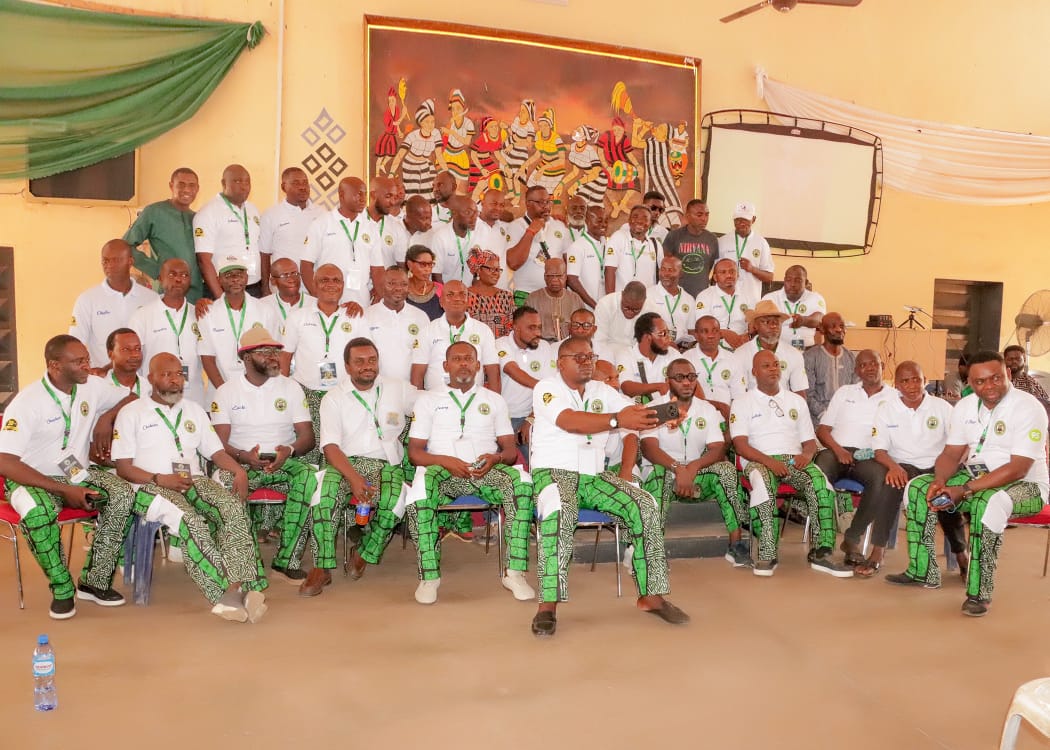
This troubling reality was brought into sharp focus through reflections on the state of Government College Makurdi, a former symbol of excellence now struggling under years of neglect.
In a speech delivered following a reunion of the Class of 1995, alumnus Isiaka Olarongbe Saadu painted a stark picture of deterioration, warning that Nigeria’s public school system is no longer merely challenged but is facing gradual abandonment.
He recalled that during his time at the college over three decades ago, the institution was defined by discipline, quality teaching, and a supportive learning environment.
“Though modest, its facilities were functional, and students were nurtured to develop both character and ambition.
According to him, a return to the school after 30 years revealed a deeply troubling reality.
“Many of the buildings have fallen into disrepair, with classrooms, hostels, and other infrastructure showing clear signs of neglect and little evidence of meaningful upgrades.
“More concerning is the decline in student welfare. While students previously received three meals daily, current reports indicate they now get only two.”
He described it as an alarming shift that underscores reduced attention to their well-being and learning conditions.
Saadu emphasized that the situation at Government College Makurdi reflects a broader national pattern.
“Across Nigeria, public schools are grappling with underfunding, poor maintenance, and declining academic standards, even as private institutions continue to expand and attract investment,” he regretted.
The consequences, he warned, are profound. “Public schools have historically served as equalizers, providing opportunities for children regardless of their socio-economic background.
Deepening inequality
“Their decline risks deepening inequality, where access to quality education is increasingly determined by financial capacity rather than merit.
“What was meant to be a celebratory reunion instead became a moment of sobering reflection, leaving many alumni with a shared sense of urgency and responsibility.”
With government efforts seen as insufficient, Saadu called for stronger involvement from alumni associations, private stakeholders, and community leaders to revive struggling institutions.
He stressed the need for targeted investments in infrastructure, teacher support, and student welfare.
“The time has come to move from lamentation to action,” he urged, emphasizing that restoring dignity to public education is critical for the nation’s future.
“The message is clear: without immediate and collective intervention, Nigeria risks losing the very foundation that once guaranteed equal opportunity through education,” he concluded.