
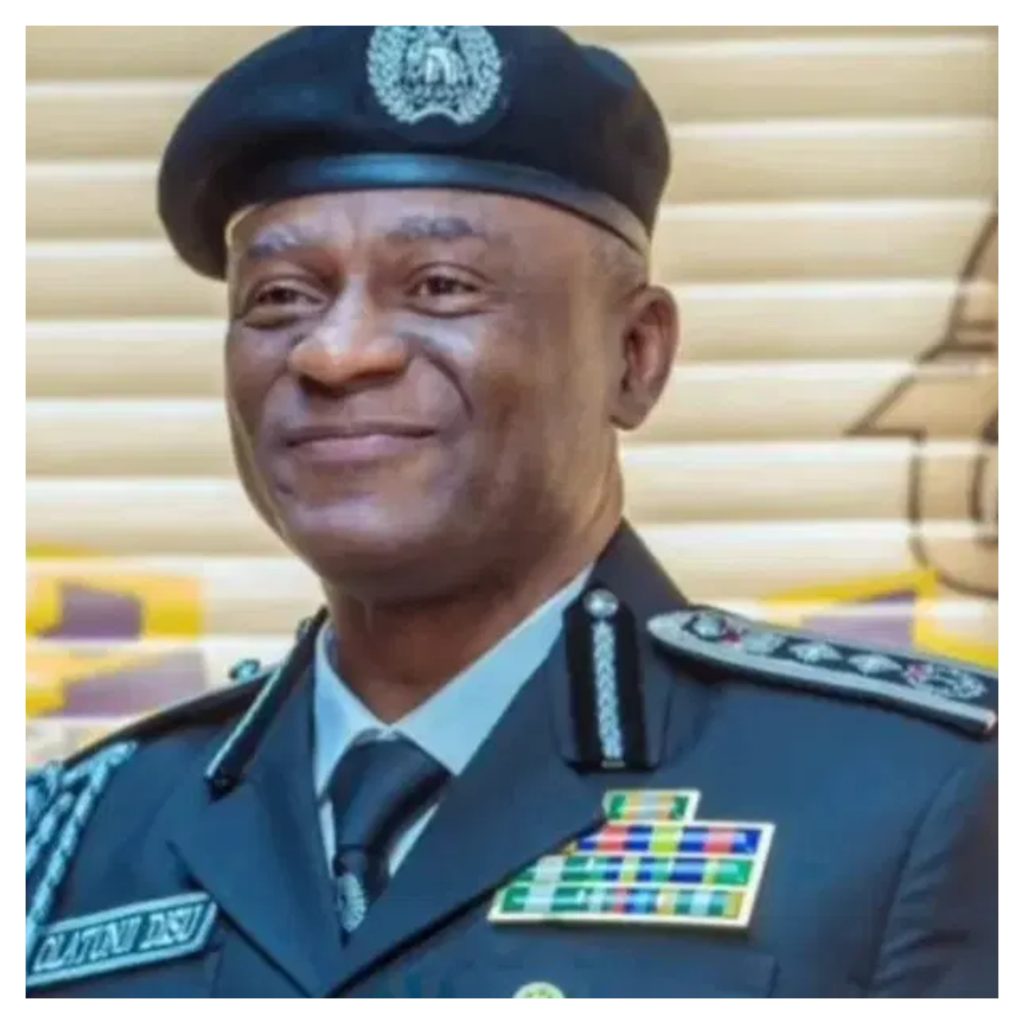
Nigerian human rights lawyer and lead counsel to the Indigenous People of Biafra (IPOB), Ifeanyi Ejiofor, has commended the Inspector-General of Police, Olatunji Rilwan Disu, for initiating sweeping reforms within the Nigeria Police Force, describing the effort as a decisive shift toward restoring professionalism and public confidence.
In a statement on Wednesday, Ejiofor said the current police leadership has demonstrated uncommon preparedness, clarity of purpose, and resolve.
According to him, the pace and scale of reforms introduced within a short period sharply contrast with the inertia that characterized previous administrations.
He noted that the immediacy of action under Disu has not only exceeded public expectations but also signaled a genuine commitment to institutional transformation.
Ejiofor highlighted that notorious police formations, including Tiger Base in Owerri, long associated with abuse and human rights violations, are now undergoing restructuring.
He described this development as a turning point, suggesting that authorities are finally responding to longstanding public outcry.
“For years, many Nigerians believed that while the police leadership had the capacity to reform the institution, the political will to implement meaningful change was lacking.”
Ejiofor stated. “What we are witnessing now, however, is a refreshing departure—a reform agenda that is both bold and far-reaching.”
He further observed that places once regarded as “forbidden zones” within the policing system—infamous for brutality, impunity, and disregard for human life—are being dismantled or reorganized with notable decisiveness.
In the past, he said, such units symbolized systemic abuse, where citizens were often subjected to grave injustices without accountability.
Ejiofor contrasted the current developments with past instances of institutional complacency.
Silent system
He recalled a widely publicized case in which a senior government official accused a police officer of leading a violent squad in Rivers State.
Despite the gravity of the allegation, he noted, the system failed to respond with urgency, allowing the accused officer to continue operating without scrutiny.
Such episodes, he argued, underscored a culture of indifference that eroded public trust in the force.
However, the ongoing reforms under Disu appear to mark a break from that pattern, signaling a willingness to confront entrenched problems head-on.
Ejiofor maintained that if the current reform trajectory is sustained—free from political interference—the Nigeria Police Force could witness a remarkable restoration of its image within a relatively short period.
He emphasized that public support would be crucial to achieving lasting change.
“What the Inspector-General needs at this moment is not cynicism, but constructive encouragement and unwavering backing from Nigerians,” he said.
“Citizens must rally behind this vision, confident that genuine reform, though long delayed, is achievable.”
He also stressed the importance of accountability, urging authorities to conduct a comprehensive review of past abuses linked to disbanded or restructured units.
According to him, reform efforts must not overlook justice for victims.
“Accountability must not be sacrificed in the name of reform,” Ejiofor added.
“Those who abused their positions and inflicted harm on innocent citizens must be held responsible. Justice remains the cornerstone of institutional credibility.”
Ejiofor however called on IGP Disu to remain steadfast and resolute in pursuing the reform agenda.
While acknowledging that the path to transformation may be challenging, he expressed optimism that sustained commitment and integrity would ultimately yield a reformed, professional, and trusted police force in Nigeria.