Alfred Ajayi
Every year on March 22, the global community marks World Water Day, a United Nations observance dedicated to highlighting the importance of freshwater and mobilising action against the global water crisis.
According to UN Water, World Water Day celebrates water and raises awareness of the 2.1 billion people living without access to safe water. It is about taking action to tackle the global water crisis. A core focus of World Water Day is to support the achievement of Sustainable Development Goal (SDG 6) which is water and sanitation for all by 2030.
One in three people live without sanitation. This is causing unnecessary disease and death. While huge strides have been made with access to clean drinking water, lack of sanitation is undermining these advances.
Every year, UN-Water — the UN’s coordination mechanism on water and sanitation — sets the theme for World Water Day. In 2024, the focus was on Leveraging Water for Peace. Attention shifted in 2025 to Glacier Preservation. In 2026, the theme—“Water and Gender”—draws urgent attention to the unequal burden of water scarcity and the need for inclusive, equitable water governance.
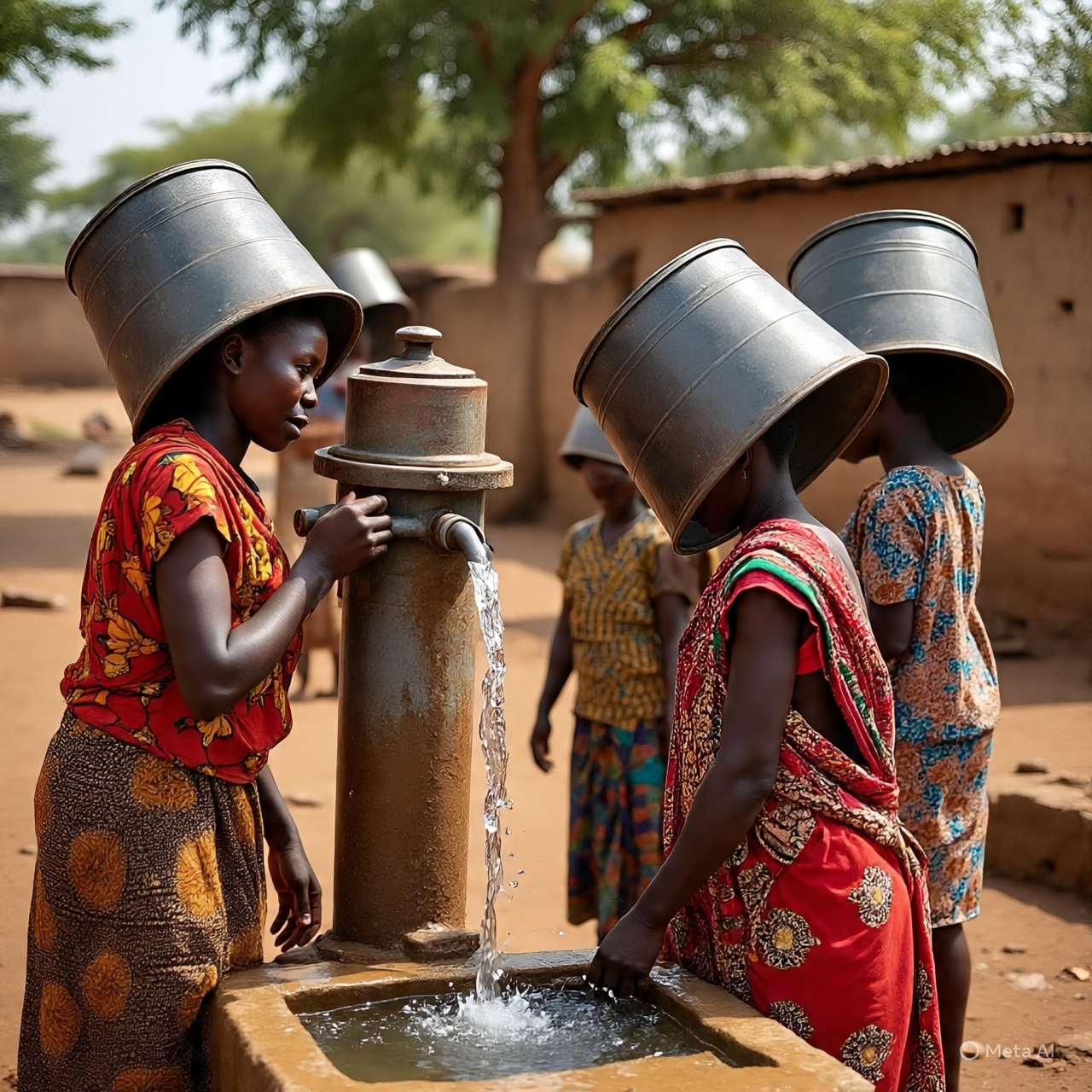
The 2026 theme underscores a critical reality: water scarcity does not affect everyone equally. At its core, the theme recognises that water is not gender-neutral. The availability, access, and management of water affect men and women differently due to social roles, cultural norms, and economic inequalities. For instance, in many parts of the world, especially in rural and low-income communities, women and girls are primarily responsible for collecting water.
This often means: walking long distances daily, spending hours fetching water, facing safety risks along the way. This unequal burden limits their opportunities for education, employment, and participation in decision-making.
Despite being the primary users and managers of water at household level, women are often excluded from leadership roles in water governance, policy, and infrastructure planning.
The theme therefore calls for: equal access to water and sanitation, inclusion of women in water governance, and recognition of water as a human right.
Why water matters
Water is the foundation of life—essential for health, agriculture, energy, ecosystems, and economic development. Yet, over 2 billion people worldwide still lack safe drinking water, while billions more lack adequate sanitation. Water scarcity is no longer a distant threat—it is a present crisis affecting food security, livelihoods, and public health globally.
Water scarcity is deeply linked to the climate crisis. Rising temperatures, erratic rainfall, droughts, and flooding are disrupting water systems worldwide. Climate change reduces freshwater availability and contaminates water sources. Wetlands which are critical water ecosystems have declined significantly while extreme weather events are damaging water infrastructure and supply chains.
In Africa and other vulnerable regions, climate change is intensifying desertification, drying rivers, and worsening water insecurity—placing additional pressure on already strained communities.
Salvaging the situation
To reverse the ugly trend and improve water governance generally, governments must invest deliberately invest in water infrastructure and rural water supply as well as enforce policies on water conservation and pollution control. It must promote gender-inclusive water governance and strengthen climate-resilient water systems.
For its part, the private sector can contribute by adopting sustainable water management practices, reduce industrial pollution and water waste while also supporting innovation in water recycling and conservation.
The civil society and media equally have pivotal roles to play in terms of raising awareness on water conservation and equity, advocating for accountability and inclusive policies as well as amplifying the voices of vulnerable communities.
Communities are also critical in addressing water challenges. It is their primary duty to protect all local water sources. They must also imbibe safe hygiene and water conservation while advertently supporting women’s participation in decision-making and water governance.
At the individual level, everyone should avoid water wastage in homes and workplaces. Individuals need to support organizations working on water access while they also take up the task of educating others on the importance of water sustainability
Why this theme matters
Addressing water issues without considering gender leads to incomplete and ineffective solutions. When women are included: water systems are more sustainable, community needs are better represented while health and sanitation outcomes improve. In a nutshell, gender equality strengthens water security.
The “Water and Gender” theme is therefore a call to: ensure equal access to safe water and sanitation, empower women as leaders in water management, design inclusive policies that reflect real community needs and recognize water as a human right linked to gender equality.
World Water Day 2026 beyond being a commemoration is also a wake-up call. Water is not just a resource; it is a fundamental human right and a driver of equality, dignity, and development.
If current trends are not halted, the world risks a future of deepening inequality, conflict, and environmental collapse driven by water scarcity. The time to act is now.
Above all, we must recognize that where water flows, equality grows—and where it does not, inequality deepens. Ensuring universal access to safe water is not optional; it is essential for achieving a just, sustainable, and climate-resilient future for all.
“Water and Gender” is about fairness. It reminds us that solving the global water crisis is not just about infrastructure but also about equity, inclusion, and justice.