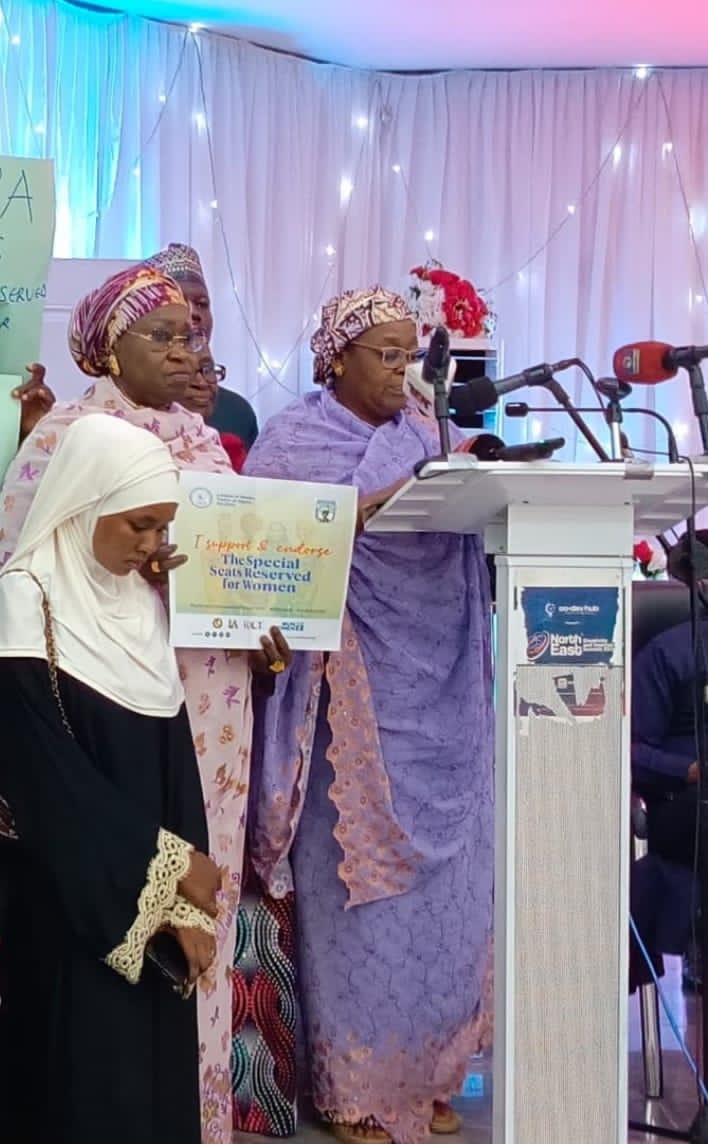
A female member of Anambra State House of Assembly, Mimi Azikiwe, has pledged her support for the proposed Special Seats Bill aimed at expanding women’s participation in legislative governance.
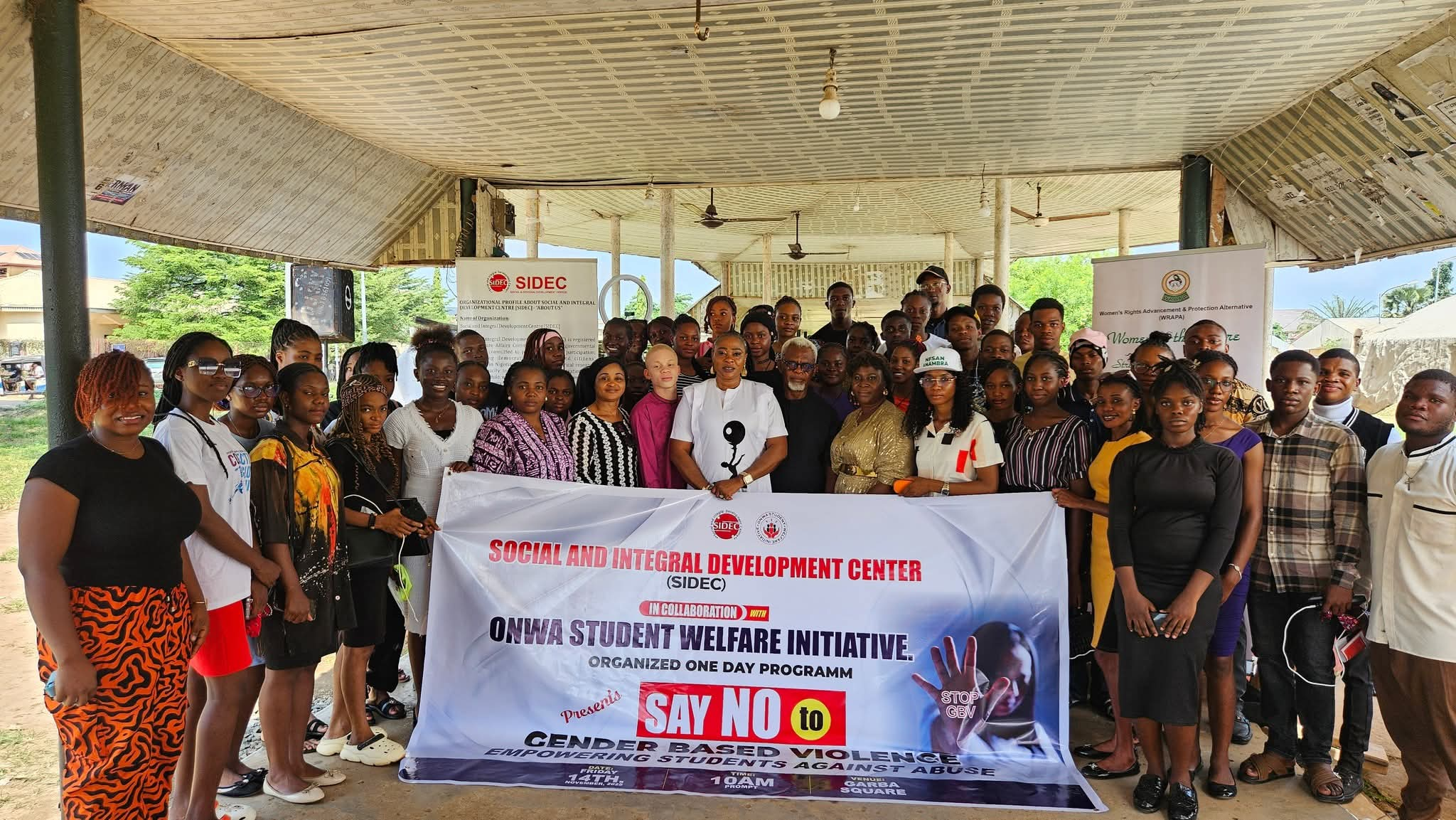
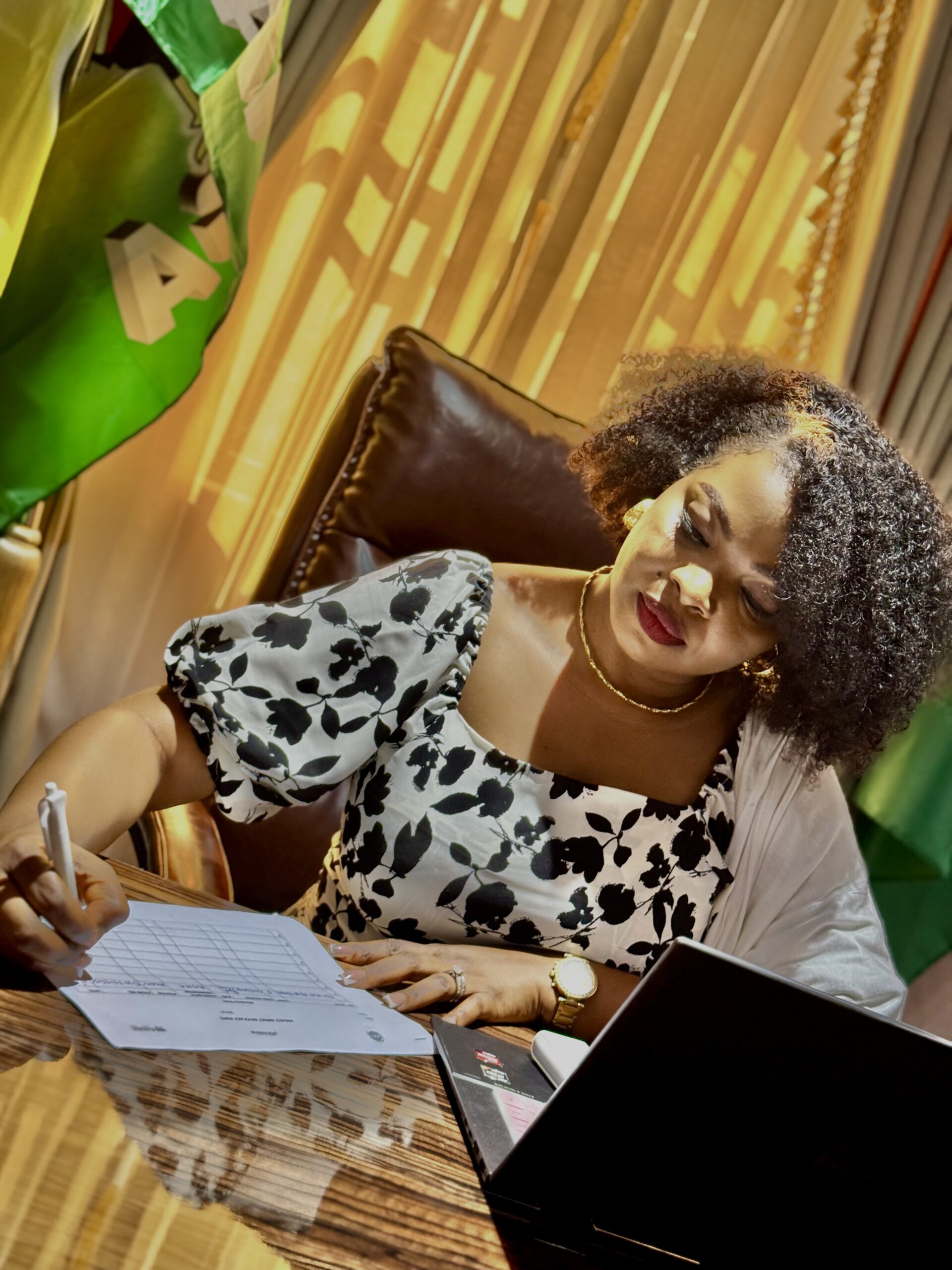
The endorsement came during an advocacy visit led by the Executive Director of the Social and Integral Development Centre (SIDEC), Ugochi Ehiahuruike, who presented a comprehensive brief on the proposed constitutional amendment designed to reserve additional legislative seats for women across the country.
The visit is part of Project IMPACT – Inclusive Mobilization for Participation, Advocacy, and Civic Transformation, an initiative being implemented by SIDEC in partnership with the Nigeria Civil Society Situation Room with funding support from the UK Foreign, Commonwealth and Development Office (FCDO).
The project focuses on building inclusive electoral and governance systems in Anambra and Imo states, ensuring that women, youths, and persons with disabilities have equal opportunities to contest and occupy elective public offices.
Speaking during the engagement, Ehiahuruike emphasized that Nigeria continues to struggle with extremely low female representation in political leadership, particularly in the legislative arm of government.
She noted that the current statistics show a troubling imbalance with the Nigerian Senate currently having only four women, while the House of Representatives has 16 female members.
“Across the 36 State Houses of Assembly, only 55 women serve as lawmakers.
“This level of representation is far from reflective of Nigeria’s population and democratic aspirations.
“Women constitute nearly half of the country’s population, yet their presence in legislative decision-making remains marginal.”
Correcting imbalance
She explained that the Special Seats Bill seeks to correct this imbalance by introducing constitutionally guaranteed seats specifically reserved for women.
Under the proposal before the National Assembly, 37 additional seats would be created in the Senate—one for each state and the Federal Capital Territory. Similarly, another 37 seats would be added to the House of Representatives under the same formula.
At the state level, the proposal recommends the creation of three additional seats for women in each State House of Assembly, corresponding to the three senatorial districts within each state.
“In total, the bill proposes the creation of 108 reserved seats for women across Nigeria’s federal and state legislatures.
“The idea is not to create a privileged class of lawmakers. The proposed seats will carry no superior or inferior status. They simply provide a structured pathway to ensure women have a fair chance to participate in governance.”
She further noted that the concept of reserved seats is not new in Africa. Countries such as Rwanda, Kenya, Uganda, and Tanzania have successfully implemented similar models, resulting in significantly improved female representation and stronger gender-responsive governance.
However, Ehiahuruike acknowledged that the passage of the bill requires substantial legislative backing.
What is needed for success
“For the constitutional amendment to succeed, it must secure a two-thirds majority in both the Senate and the House of Representatives as well as approval of at least 24 State Houses of Assembly across the federation.
“This is why voices like yours can help mobilize broader support and ensure that the bill gains the momentum required for passage.”
Responding to the presentation, Mimi Azikiwe, who chairs the House Committee on Gender, welcomed the initiative and expressed strong support for efforts aimed at expanding women’s representation in governance.
“Women are always needed during campaign, rallies, every other time but when it comes to electing women into leadership positions, all of a sudden, they give us the back seat.”
She noted that the political environment in Nigeria still poses significant challenges for female candidates, ranging from financial barriers to deeply rooted societal biases.
“Inclusivity is widespread. I support the reserve seat bill implicitly and in its entirety. As a woman first of all and not just that because a country that sidelines half of its population is not serious.”
Azikiwe said measures such as the proposed Special Seats Bill could play an important role in addressing these systemic barriers and creating a more inclusive political landscape.
She commended SIDEC and its partners for sustaining advocacy around democratic inclusion and assured that she would lend her voice to conversations supporting the passage of the bill.