Residents across Iran say the escalating conflict involving the United States and Israel has plunged their country into fear, shortages and uncertainty.
Many of them described daily life as a struggle to survive under relentless air strikes.
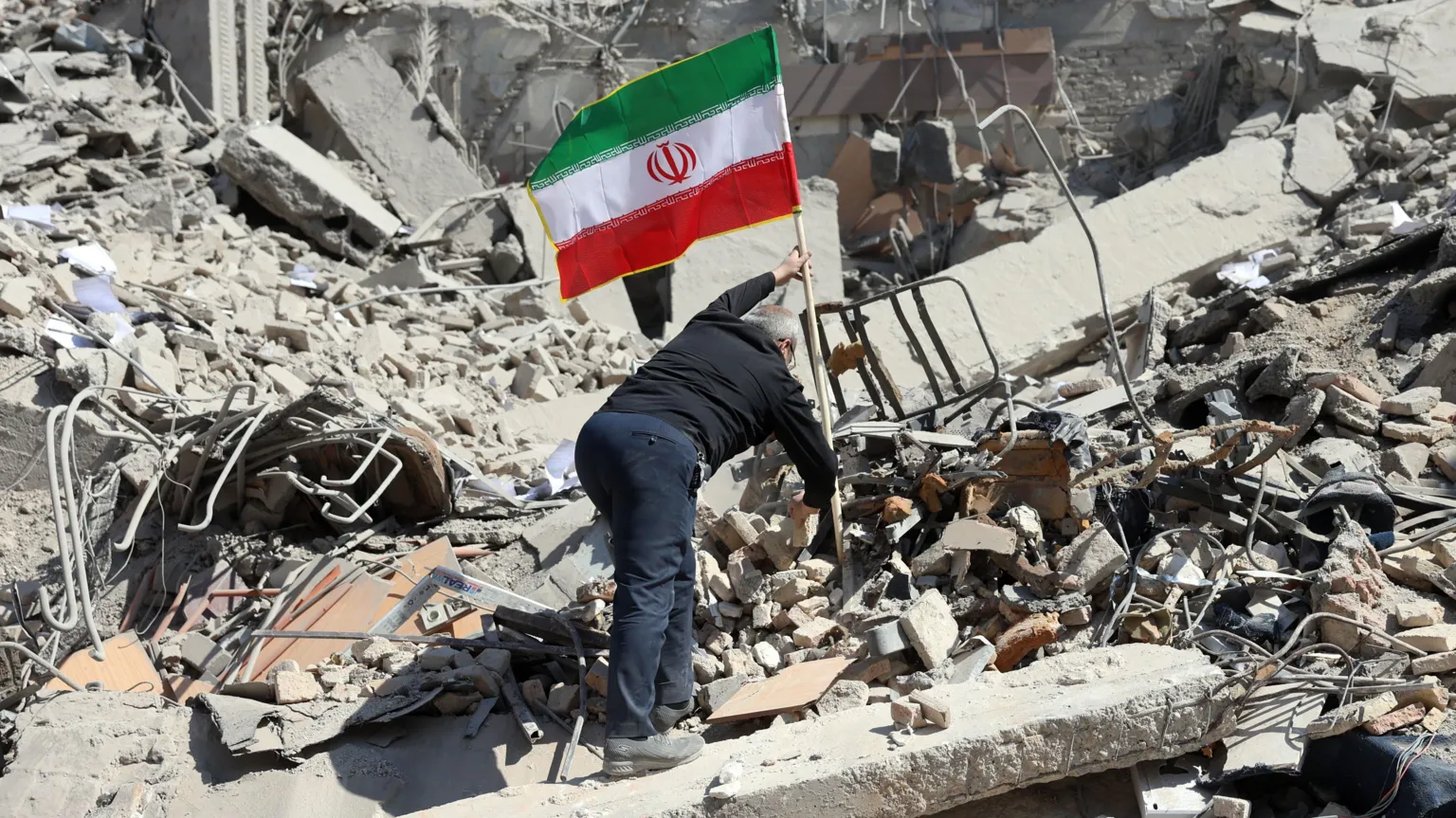
A Tehran resident Salar not his real name said “The number of explosions, the destruction, what is happening – it’s unbelievable.”
“Each day has felt like a month. The volume of attacks is so high. During one recent strike, the blast was so powerful it shook his entire home.
“My house was trembling. I had to leave the windows open so the glass wouldn’t shatter,” he added.
Iran’s capital has been under sustained bombardment since strikes began on 28 February, with US and Israeli forces targeting military and political sites in a campaign aimed at weakening the Islamic regime.
But beyond those targets, ordinary communities say they are paying the price.
Iran’s claim
Iranian officials said more than 160 people, including children, were killed when a girls’ school was struck in the southern city of Minab on Saturday.
The White House says the United States is investigating the incident but insists its forces do not target civilians.
For many residents in Tehran, the scale of destruction has surpassed anything they experienced before.
“What we are experiencing now is beyond what we experienced during the 12-day war,” one of them said referring to last year’s conflict between Iran and Israel.
International journalists face severe restrictions in Iran, with many denied visas, making it difficult to verify events on the ground.
Internet disruptions and blackouts have further limited the flow of information.
Still, through scattered testimonies, BBC reports that a picture of daily hardship is emerging.
Most residents say they rarely leave their homes except to buy essential supplies. Streets that were once crowded are now largely deserted.
A woman living in Tehran described the capital as eerily quiet. “Tehran feels empty. If someone leaves their house, it must be for an urgent reason.”
“Many shops are closed and some cash machines have stopped working though supermarkets and bakeries remain open. At the same time, prices of basic food items have surged,” she regretted.
Student’s voice
A 25-year-old university student said staples such as eggs and potatoes have become increasingly expensive.
“Long queues now form for petrol and bread. The lines are unbelievable,” he said.
Despite the hardship, some residents say the political atmosphere inside the country is shifting following the death of Iran’s Supreme Leader Ayatollah Ali Khamenei, who was killed in the first wave of strikes.
Security presence has intensified across Tehran, with checkpoints appearing throughout the city.
“There are checkpoints everywhere,” the student said. “They’re scared of their own shadows.”
He added that some people quietly hope the crisis could lead to political change.
“We’re waiting for the grand moment, the final moment, when we all go out and we will be victorious,” he said.
But for others, fear remains the dominant emotion as security forces have issued repeated warnings to residents not to protest or speak out against the government.
One of the respondents said “Every day they send SMS messages warning that if we go outside, they will deal with us harshly,” he said.
“A message came saying that if anyone among you goes out and protests, we consider you Israeli collaborators.”
“It means they will deal with you with force – maybe even kill you.”
For many Iranians caught between foreign air strikes and domestic repression, daily life has become a tense wait for what comes next.