
Alfred Ajayi
Nigeria is fast emerging as a critical frontline in West Africa’s rapidly expanding synthetic drug crisis — a crisis experts warn could destabilize communities, overwhelm public health systems, and fuel organized crime if left unchecked.
A new regional assessment by Global Initiative against Transnational Organized Crime (GI-TOC) highlights how the illicit drug trade has shifted dramatically from plant-based substances to laboratory-made psychoactive compounds.
In Nigeria, this shift is already visible in rising seizures of tramadol, methamphetamine, and other synthetic opioids by the National Drug Law Enforcement Agency.
Unlike traditional drugs that depend on cultivation cycles and smuggling routes, synthetic substances require minimal capital, small production spaces, and easily concealed chemical precursors — making them attractive to new criminal actors.
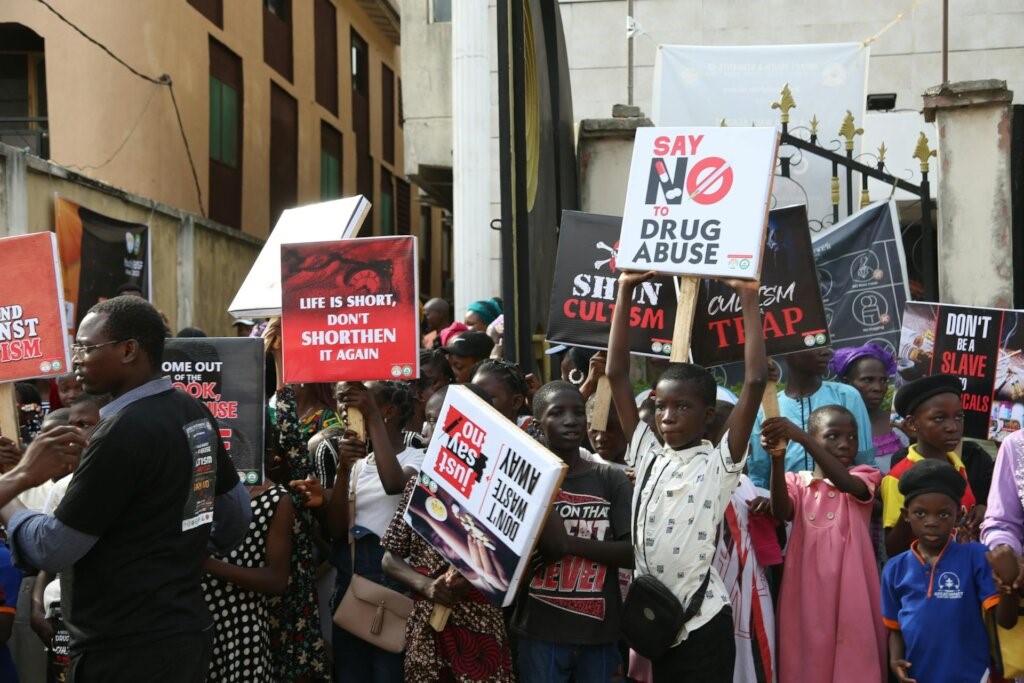
Particularly alarming is the surge in synthetic opioids such as tramadol and its derivatives. While tramadol has legitimate medical uses for pain management, its widespread abuse — especially among young people — has become a public health concern.
Reports of addiction, overdoses, severe mental health complications, and community breakdown are increasing across urban centers and transport corridors.
State of emergency
The report notes that two West African countries have already declared state of emergency over synthetic drug harms — a move historically reserved for epidemics.
Though Nigeria has not taken that step, the scale of youth involvement suggests the country faces similar risks.
With over 60% of Nigeria’s population under 25, the concentration of synthetic drug use among young people poses a long-term threat to workforce productivity, national security, and economic growth.
Digital technology is accelerating the crisis. Increased internet penetration has enabled the online purchase of precursor chemicals and finished products, often sourced from Asia and Europe and smuggled via postal and courier services that are difficult to monitor.
The result is a fragmented, decentralized drug market that is harder to dismantle than traditional trafficking networks.
Beyond public health, synthetic drug profits are reportedly fueling broader criminal enterprises, deepening corruption, and strengthening organized networks.
As surveillance systems struggle to keep pace with newly synthesized compounds, Nigeria’s health and security agencies face a race against time.
Ultimately, the report highlights a critical disjuncture between the escalating scale of the synthetic drug threat and the state of the regional response.
Obstacles include severe limitations in forensic drug-testing capabilities, which leave the precise nature of the market dangerously unclear, and a chronic lack of resources for treatment and rehabilitation.
Traditional law enforcement approaches are struggling to confront an increasingly decentralized and technologically sophisticated adversary.
The analysis makes a compelling case for urgent, consolidated regional leadership to implement a coordinated, evidence-based strategy capable of addressing the profound and growing challenge posed by synthetic drugs to West Africa’s security, stability, and the well-being of its people.
If urgent, coordinated interventions — combining law enforcement, public health reform, youth-focused prevention, and stronger border controls — are not implemented, Nigeria could be confronting a full-scale synthetic drug emergency within years rather than decades.