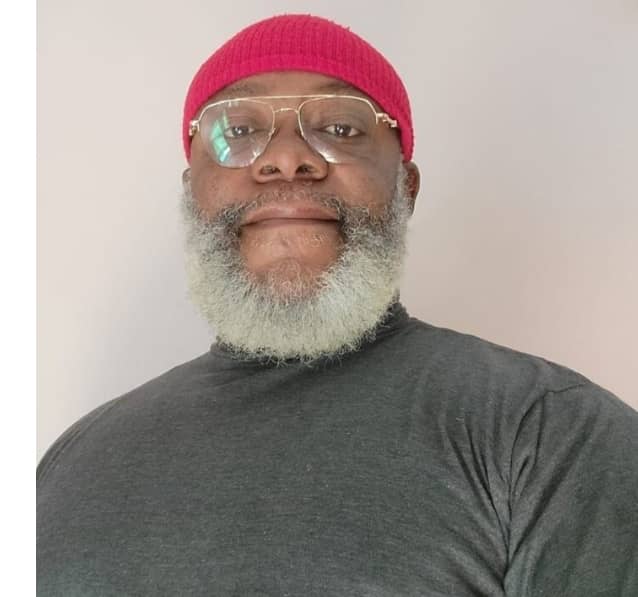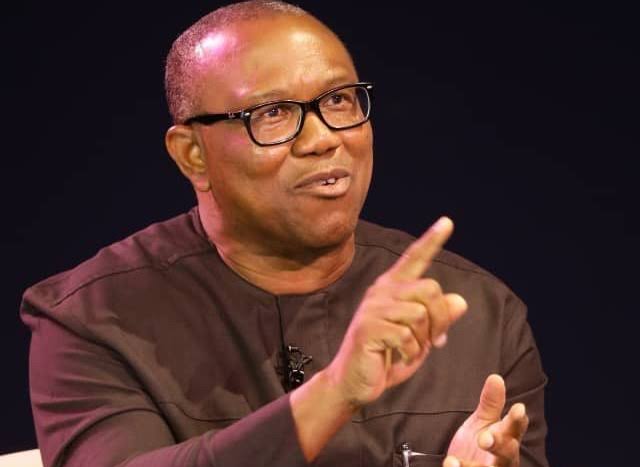
A Senior Special Assistant to Governor Chukwuma Soludo on New Media, Mazi Opara Ejimofor, has criticized Senator Tony Nwoye over what he described as “minimalist” advice to the South East Development Commission (SEDC) on its development priorities.
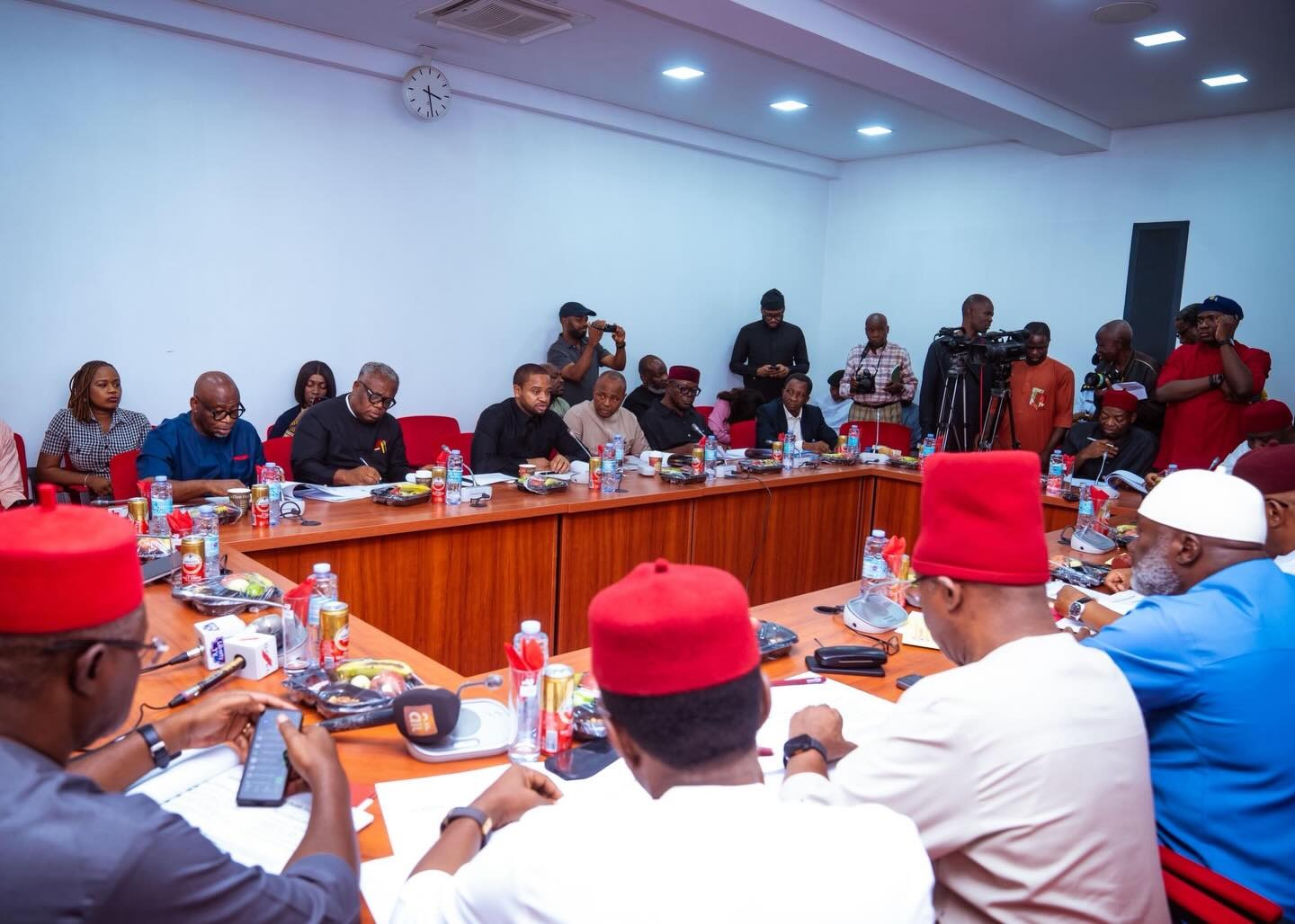
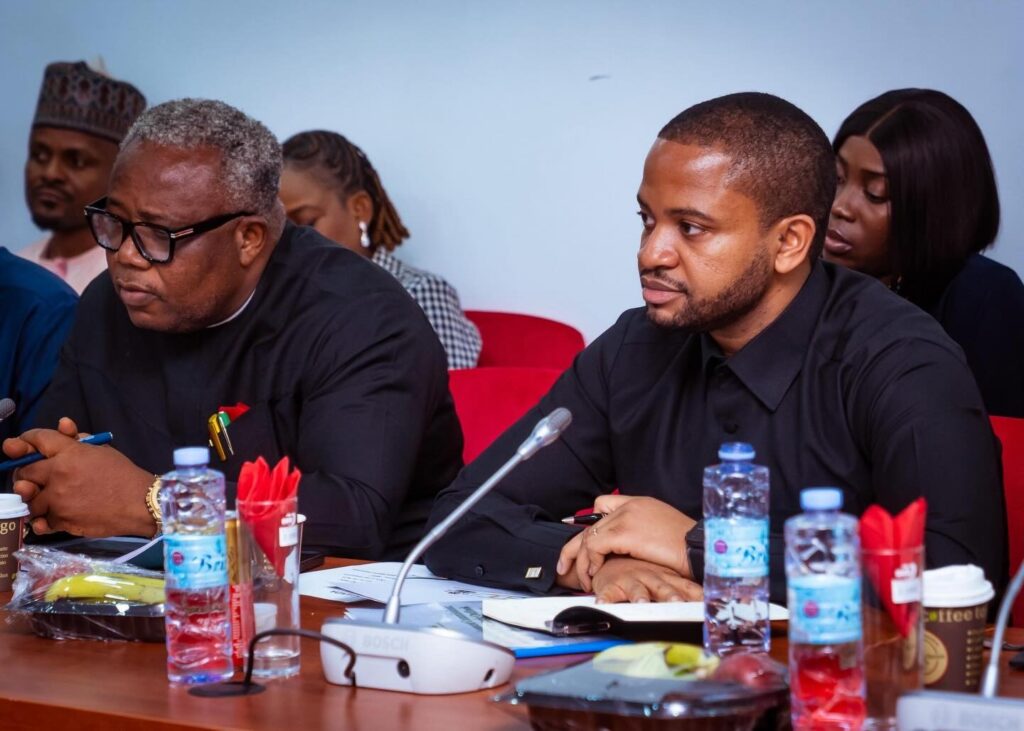
The SEDC, led by Managing Director Mark Okoye, recently appeared before the Senate Committee on SEDC chaired by Senator Orji Uzor Kalu to present its 2026 Budget and Strategic Outlook.
During the session, Senator Nwoye, who represents Anambra North Senatorial District, faulted the Commission’s allocation for conferences and investment promotion.
He described the figures as unrealistic and urged the board to prioritize infrastructure projects that directly impact communities.
Nwoye also questioned the N3.5 billion proposed for regional security operations in 2026 and N10.5 billion earmarked for surveillance equipment such as drones and CCTV systems.
He argued that such spending would duplicate existing security efforts, since governors already receive security votes and the federal government funds security operations.
“I appeal to you to dwell more on infrastructure development in the region,” Nwoye said.
“It will not augur well for the Commission to spend so much on conferences and investment promotions.
Let us talk about how someone in Bende, Umunnachi, Umudioka, or Awgu can feel the impact of the SEDC.”
Nwoye insisted he would not support what he considered excessive security spending by the Commission and urged the board to channel more funds toward schools and other pressing infrastructure needs across the Southeast.
Narrow recommendations
However, Ejimofor, who also serves as the National Publicity Secretary of the All Progressives Grand Alliance (APGA), dismissed the senator’s position.
He urged the SEDC board to disregard what he called “narrow” recommendations.
He argued that Nwoye misunderstood the mandate of a regional development commission.
According to him, the SEDC should not reduce itself to micro-level projects that could become tools for political patronage.
“What is the business of a regional development commission making micro-level interventions that are better handled by local governments and legislators?” Ejimofor asked.
“Senator Nwoye has shown that he lacks an in-depth understanding of how a commission responsible for five states should function.”
Ejimofor warned that adopting such an approach would turn the SEDC into a political tool focused on token constituency projects instead of transformative regional initiatives.
He referenced Governor Soludo’s remarks at the SEDC Vision 2050 event in Enugu, where the governor advised the Commission to avoid the pitfalls of the Niger Delta Development Commission (NDDC).
Ejimofor criticized the NDDC for what he described as a history of scattered and ineffective projects rather than landmark regional developments.
“A development commission must think mega and macro,” he said.
“The SEDC Managing Director must focus on projects that promote regional integration, not on building primary healthcare centers in individual communities or installing streetlights in specific towns.”
Ejimofor stressed that such responsibilities belong to local governments and elected legislators, not a regional commission with a broader mandate.
Transformative projects
He encouraged the SEDC leadership to envision transformative projects such as rail lines linking Southeast states to one another and connecting the region to neighboring zones.
He also called for institutional reforms and strategic investments that would drive long-term growth across the five Southeast states.
On security and reorientation, Ejimofor maintained that the Commission should not shy away from bold investments if they serve regional stability and development.
“The Managing Director must not listen to advice that shrinks his mandate,” he said.
“He must pursue a bold, integrated vision that delivers lasting benefits for the entire Southeast.”