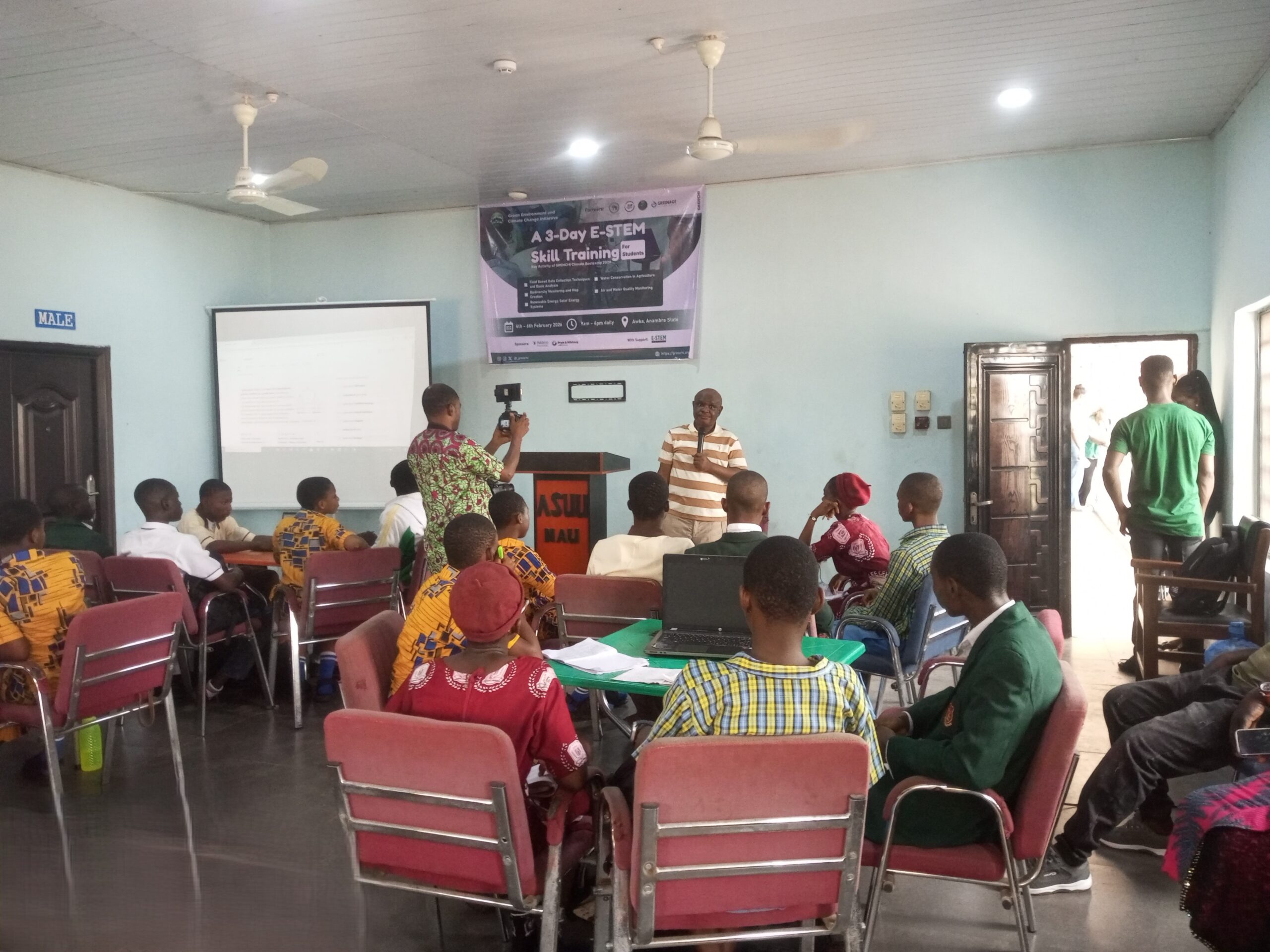
In an effort to nurture a new generation of environmental conservation leaders, the Green Environment and Climate Change Initiative (GRENCHI) has commenced a three-day E-STEM skills training for secondary school students, equipping them with hands-on knowledge to address real-world environmental challenges.
The training funded by North American Association for Environmental Education as well as Pratt & Whitney, exposed students to both theoretical and practical aspects of environmental science, including field-based data collection and analysis, biodiversity monitoring and mapping, water conservation techniques in agriculture, air and water quality monitoring, and renewable energy systems—particularly solar technology.
Unlike conventional classroom learning, the programme emphasized experiential learning and problem-solving.
Speaking at the programme, GRENCHI’s Programme Lead, Dr. Oluropo Apalowo, said the initiative was designed to bridge the gap between theory and practice in environmental education.
According to him, many people working in the environmental sector possess abstract knowledge without the skills required to implement solutions.
“Our focus is practical empowerment,” Apalowo explained. “We want students who hear about environmental issues to also understand how to respond to them in real-life situations.”
He noted that water conservation formed a critical component of the training, with students learning techniques such as mulching, the use of drought-resistant seeds, and hydroponics.
“These methods, he said, can reduce water usage by up to 60–80 per cent while improving productivity.
Many implementing partners
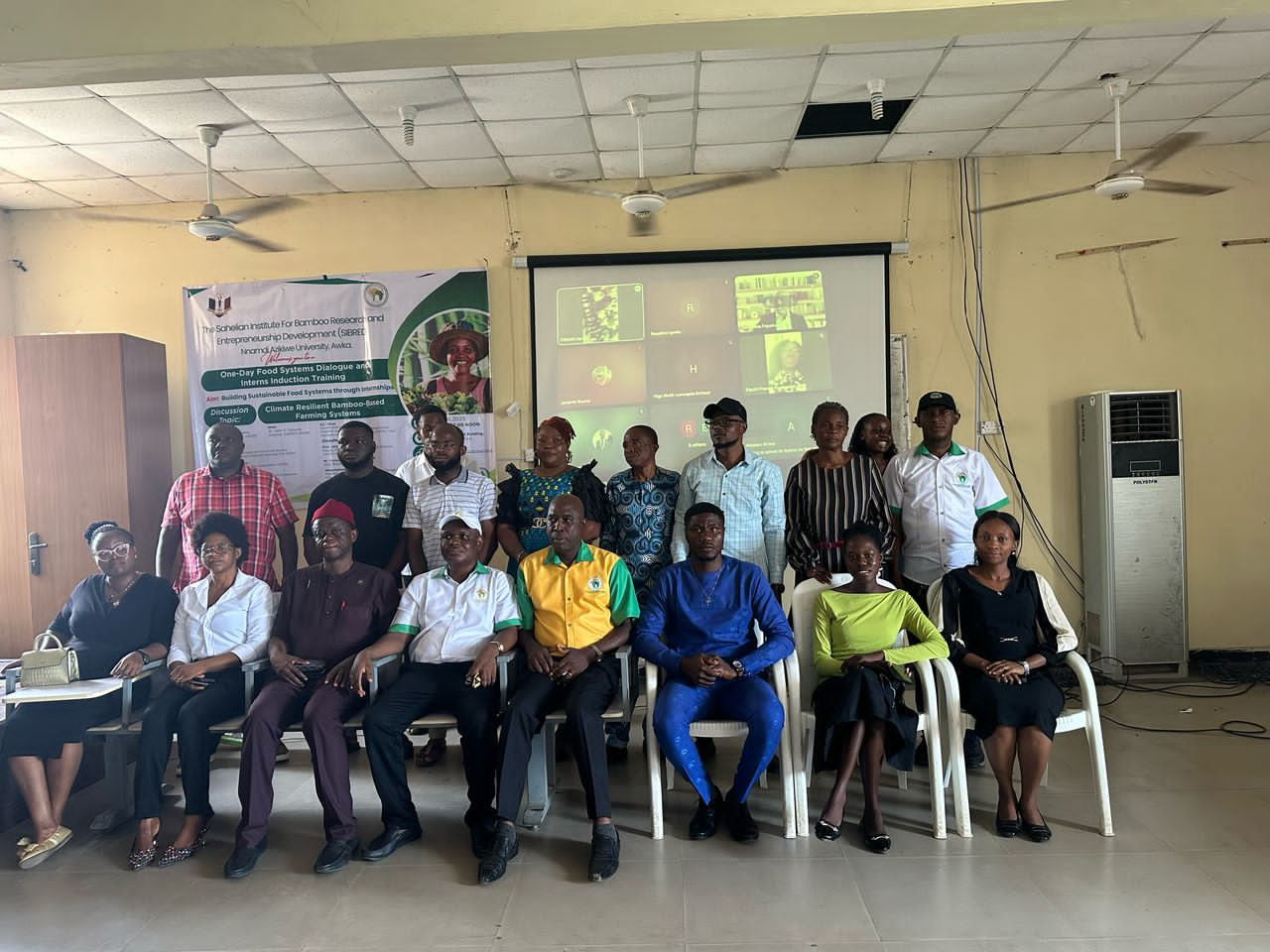
Apalowo added that the programme was implemented with support from other local partners, including Green Age Technologies. the Departments of Crop Science and Horticulture, and Forestry and Wildlife at Nnamdi Azikiwe University (UNIZIK).
Others are: the Sahelian Institute of Bamboo Research and Entrepreneurship Development (SIBRED) and the National Environmental Standards and Regulations Enforcement Agency (NESREA).
Beyond skill acquisition, the Programme Lead said the broader goal of the training was sustainability and knowledge transfer.
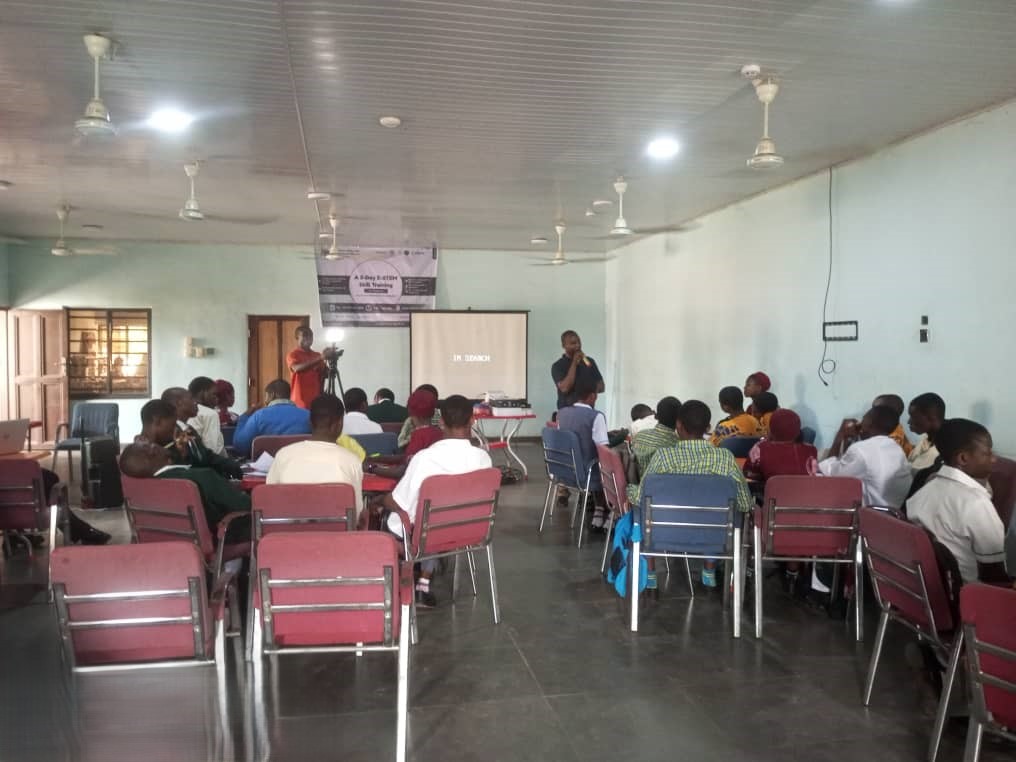
He explained that participants are expected to replicate what they have learnt in their schools and communities, regardless of space limitations.
“Even in densely populated areas, students should now understand that food production and conservation are possible. They can grow plants in small spaces, including balconies.”
As part of the programme’s sustainability framework, students will return to their schools to implement mini-projects based on the training.
“These projects will be presented in July during a competitive exhibition, with plans to make the exercise a recurring feature of GRENCHI’s annual boot camp,” Apalowo said.
According to him, secondary school students were deliberately chosen because they are at a formative stage where values and habits are shaped.
He noted that introducing environmental consciousness at this age increases the likelihood that conservation practices will become a lifelong commitment.
“Young people are strongly influenced by their peers. When one student adopts positive environmental behaviour, others are likely to follow.”
Biodiversity conservation
One of the facilitators and Biodiversity expert, Dr. John Ogbodo of Nnamdi Azikiwe University, led sessions on “biodiversity monitoring and map creation”.
He emphasized that environmental protection is a shared responsibility. “Just as security is everyone’s concern, environmental conservation is also a collective duty,” Ogbodo said.
Ogbodo stressed the importance of early exposure, noting that awareness at the primary and secondary school levels is essential for long-term environmental protection.
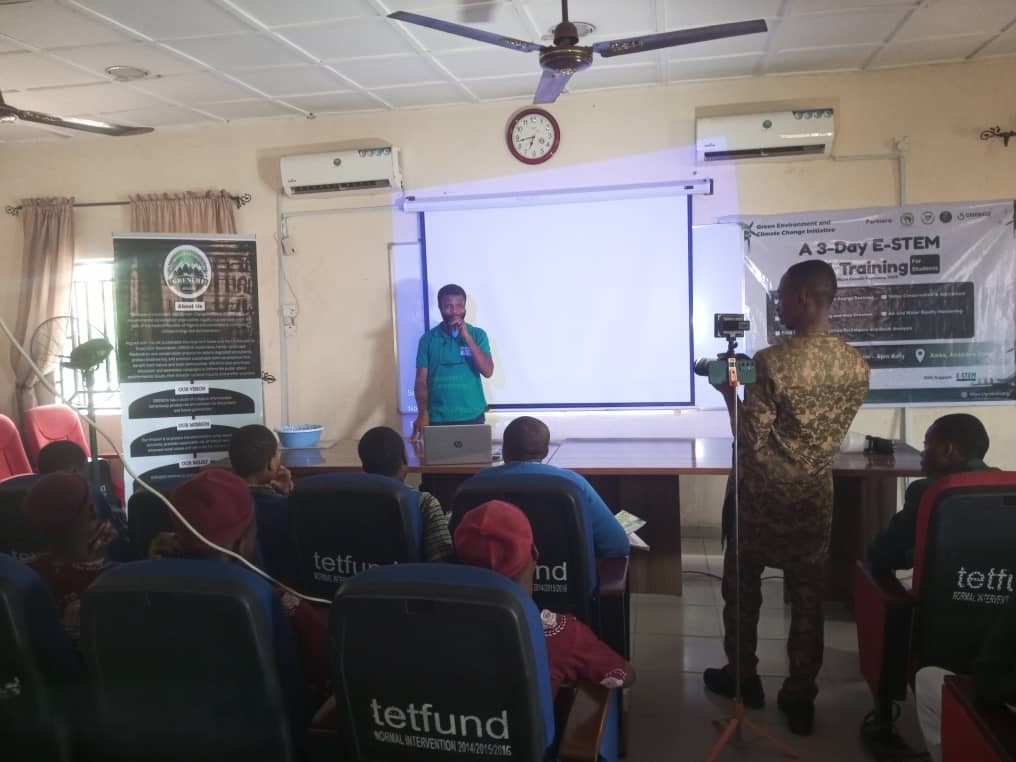
The biodiversity scientist explained that the training aimed to position students as environmental ambassadors capable of influencing their peers, families, and school authorities.
He added that education and awareness remain powerful tools for driving environmental action.
“During the practical session, students were taken outdoors within the ASUU Secretariat premises at UNIZIK to observe and document biodiversity.
“Within one hour, the students identified about 30 species across flora and fauna, including birds, insects, soil organisms, and plants.
“This exercise helped them understand what biodiversity truly means—the variety of life around them,” Ogbodo said.
He explained that mapping these resources allows students to scientifically document their local environment using surveys, drawings, and digital tools.
Students were also introduced to standard scientific reporting methods, including the use of scientific names, common English names, and indigenous names for identified species.
According to Ogbodo, this approach ensures that local environmental actions contribute to global knowledge and conservation efforts.
Participants expressed appreciation to GRENCHI for the opportunity, describing the training as eye-opening and empowering.
Many said the programme deepened their understanding of the environment and inspired them to take practical steps toward conservation in their schools and communities.