Emma Elekwa
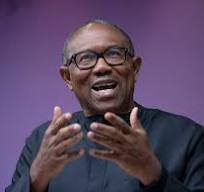
Former presidential candidate of the Labour Party, Mr. Peter Obi, has described January as a “deeply distressing” month for Nigeria.
Mr Obi cited worsening insecurity, failures in education and power supply, and what he termed misplaced governance priorities by the federal government.
In a statement shared on his verified X (formerly Twitter) account, Obi said the first month of the year has become a troubling indicator of the challenges facing the country.
He warned that conditions continue to deteriorate across multiple sectors.
According to him, insecurity surged nationwide in January, with reports of several killings and hundreds of kidnappings and abductions.
He noted that victims included children, pregnant women, and nursing mothers, with abductors allegedly demanding millions of naira in ransom.
Obi added that persistent insecurity has prevented many farmers from returning to their farms, worsening food shortages and deepening rural poverty.
Concern about education
The former Anambra State governor also expressed concern over the state of education, which he described as the foundation of national development.
He lamented that millions of Nigerian children remain out of school, while those enrolled are frequently unable to attend due to insecurity or teachers’ strikes.
He described the situation in Abuja, the nation’s capital, as “particularly tragic,”
Obi noted that schools remain closed despite what he said were billions of naira spent on renovating a conference centre and constructing bus terminals.
On infrastructure, Obi pointed to Nigeria’s electricity crisis, noting that the country, which already ranks among those with the poorest access to power, experienced two national grid collapses within the month.
He also criticized President Bola Tinubu’s travel schedule, contrasting Nigeria’s situation with other countries where leaders, he said, focus on domestic governance at the start of the year.
Obi claimed that the president spent 23 days abroad in January across two foreign trips.
He questioned the urgency of such extended absences amid pressing national challenges.
Collective impact
He argued, “The collective impact of these events paints a grim portrait of a nation grappling with insecurity, economic distress, failing infrastructure, and profound social upheaval.”
He accused the political class, particularly the ruling All Progressives Congress (APC), of focusing more on power calculations, rallies, and welcoming defectors than on addressing the daily struggles of Nigerians.