
Alfred Ajayi
Climate change is not an abstract phenomenon. Rather it affects you in ways that are deeply personal, constantly shaping how you live, work, and interpret the world around you.
You experience it through rising temperatures that make daily activities more exhausting and unpredictable weather patterns that disrupt routines and planning.
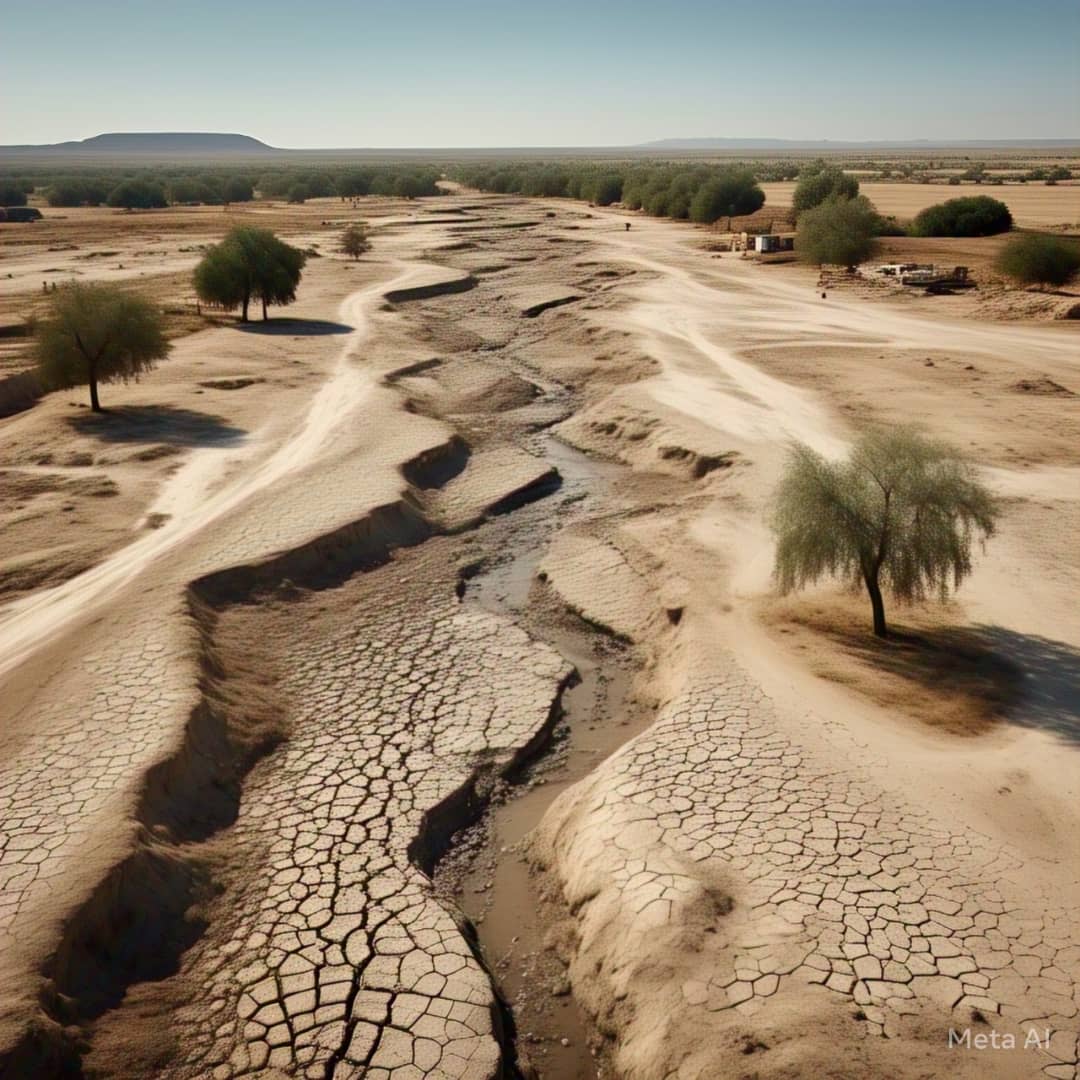
Rainfall no longer follows familiar seasons, with floods arriving suddenly and dry spells lasting longer than expected.
These changes threaten livelihoods, strain food systems, and place growing pressure on water resources, health services, and basic infrastructure.
Communities are compelled to adapt in real time, often with limited support, as they struggle to cope with environmental stress that grows more intense each year.
Climate change affects your work by redefining both its focus and urgency. It is no longer an abstract concept or a future risk; it is a present reality that influences agriculture, health, education, and economic stability.
It is the reason small-scale farmers face crop failures and income losses due to erratic weather, while urban residents contend with heat stress, flooding, and deteriorating living conditions.
These impacts expose deep inequalities, as those who contribute least to climate change often suffer the most from its consequences.
Women, children, and low-income communities carry a disproportionate burden, facing food insecurity, health risks, and displacement with limited safety nets.
Emotionally, climate change weighs heavily on you. Witnessing deforestation, erosion, pollution, and the gradual loss of natural ecosystems evokes concern, frustration, and sometimes helplessness.
You worry about the future that awaits coming generations and question whether current actions are enough to prevent irreversible damage.
Yet, these emotions also strengthen your sense of responsibility. Climate change pushes you to pay closer attention, to ask harder questions, and to seek out solutions rather than surrender to despair.
It challenges you to balance realism with hope, acknowledging the scale of the problem while believing in the power of informed action.
Climate change also affects how you think about development and progress. It reminds you that economic growth without environmental sustainability is fragile and short-lived.
Health, food security, and social stability are inseparable from the state of the environment, and ignoring this connection only deepens existing vulnerabilities.
You become more conscious of daily choices, from energy use to waste management, understanding that individual actions, no matter how small are part of a broader collective response.
Ultimately, climate change reshapes how you plan for the future and define responsibility. It compels you to adapt, to advocate for evidence-based policies, and to support resilience within communities.
More than anything, it reinforces the understanding that climate change is not just an environmental issue but a human one.
It is an existential threat that demands collective action, accountability, and sustained commitment to protect both people and the planet.