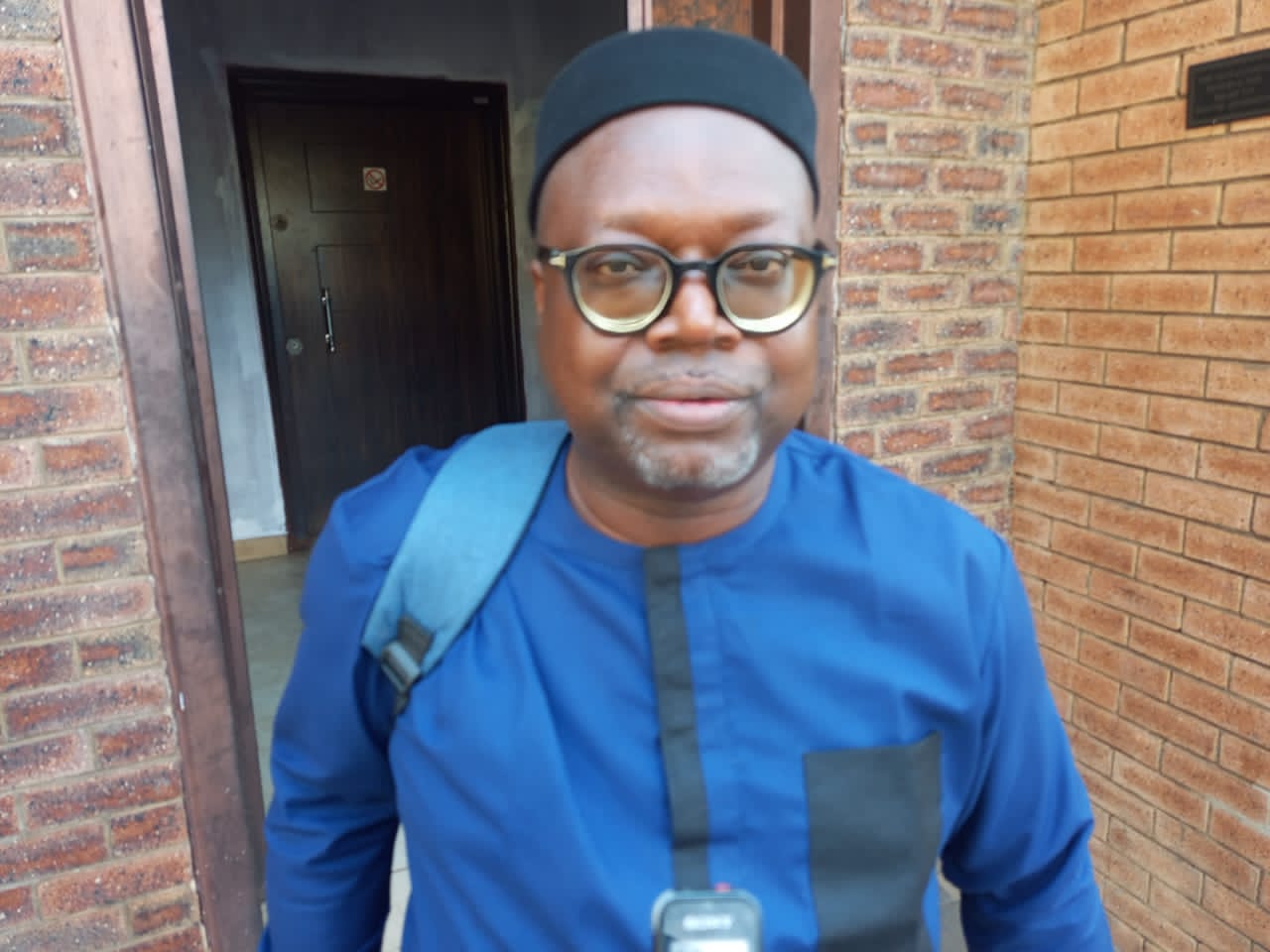
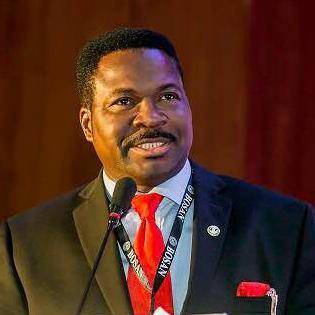
Human rights lawyer, Ifeanyi Ejiofor, says the charges filed by the Federal Government against Chief Mike Ozekhome, SAN, is a stark reminder of the price activists often pay for standing with justice and strengthening democratic institutions.
Ejiofor made the assertion in a statement titled “Wednesday Musing: Activism, the Price of Conscience, and the Theatre of Persecution — When a State Puts History on Trial and Calls It Justice,”.
He was reacting to the case of Federal Republic of Nigeria v. Chief Mike Ozekhome, SAN, stating unequivocally that human rights activism has never been a comfortable undertaking.
According to Ejiofor, the charges against Ozekhome are the product of orchestrated hostility and represent yet another burden human rights defenders are compelled to endure in the course of their work.
He noted that the gravamen of the charge stems from the judgment of the United Kingdom First-Tier Tribunal relating to No. 79 Randall Avenue, London, and argued that it is both necessary and instructive to highlight the tribunal’s key findings, particularly for readers unfamiliar with the case.
He lamented that some actors have deliberately skewed the narrative surrounding the matter in order to mislead the public, insisting that activism is, by its nature, an inconvenient vocation—one that unsettles entrenched power, interrogates authority, and refuses to bow when the state opts for impunity over justice.
“Across jurisdictions and generations, history records a consistent pattern: those who insist on holding governments accountable are rarely thanked.
“Instead, they are repaid with suspicion, vilification, and, more often than not, persecution carefully camouflaged as lawful scrutiny,” Ejiofor said.
Political evolution
He explained that from the era of military absolutism to the country’s present, fragile democratic experiment, progress has often been shaped—and at critical moments rescued—by men and women courageous enough to resist arbitrary power.
The human rights lawyer recalled the pro-democracy struggles of the 1980s and 1990s, when resolute voices rose against decrees, unlawful detentions, and the violent subversion of the people’s mandate.
Among those voices he noted, were individuals who later ascended to the highest offices in the land, including President Bola Ahmed Tinubu, who himself endured exile, persistent harassment, and significant political sacrifice during the struggle.
Standing alongside such political actors, he said, were uncompromising legal advocates—Gani Fawehinmi, Beko Ransome-Kuti, Olisa Agbakoba, Mike Ozekhome, Femi Falana, and others—who deployed the law as a weapon against tyranny and dictatorship.
Ejiofor stressed that activism in that era was neither fashionable nor monetised. It was not curated for applause or social media validation. It was dangerous, costly, and real.
Some activists paid with their lives, others were forced into exile, while many were detained, maimed, or imprisoned after questionable trials.
He further highlighted the example of the late Gani Fawehinmi, who, he said, went so far as to challenge not only military regimes but even the Nigerian Bar Association whenever conscience demanded, exemplifying activism in its purest form—principled, solitary, and unyielding.
It is against this historical backdrop, Ejiofor argued, that the current ordeal of Chief Mike Ozekhome, SAN, must be properly understood.
He described Ozekhome as one of the trailblazers of Nigeria’s human rights movement, noting that as a co-founder of the Civil Liberties Organisation (CLO) in 1987, he has remained steadfast in the defence of civil liberties ever since.Top of Form