
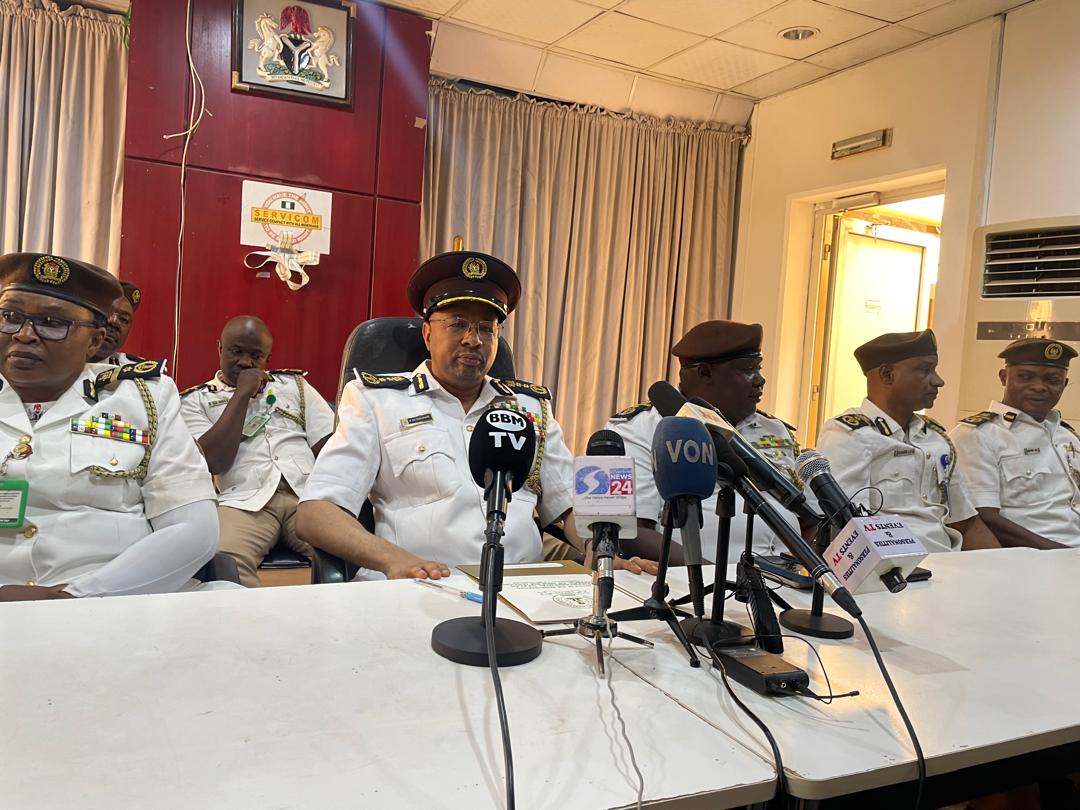
The Environmental Health Council of Nigeria (EHCON) has formally declared a national public health emergency over the surge in environmental-related diseases linked to greenhouse gas emissions and combustion-engine pollution.
This followed the silent but escalating public health crisis driven by toxic air pollution across the country.
The Registrar of EHCON, Dr. Yakubu Baba, made the declaration in Abuja warning that pollution-induced illnesses have now emerged as one of the country’s most dangerous yet grossly under-reported health threats.
According to him, impacts of such illnesses are already surpassing the long-term public health consequences of the COVID-19 pandemic.
Dr. Baba said findings from field surveillance, environmental intelligence and disease trend analysis reveal a disturbing rise in air-pollution-related illnesses across Nigeria, cutting across age, social class and lifestyle.
He noted that increasing numbers of Nigerians with no history of smoking or alcohol consumption are being diagnosed with chronic and acute respiratory infections, cardiovascular diseases, environmentally-induced cancers, and systemic inflammatory conditions.
“The data we are seeing is alarming. Prolonged exposure to toxic emissions is driving preventable illness and premature deaths at a scale that threatens national health security.”
The Registrar blamed the crisis largely on unchecked emissions of black carbon, particulate matter, nitrogen oxides and other hazardous pollutants from fossil-fuel generators.
Climate change worsening situation
Other sources include: heavy-duty vehicles, marine and port operations, industrial machinery, mining activities and petroleum operations.
He added that climate-change-driven factors, including rising dust levels and particulate matter, are compounding the risks.
The Registrar regretted warned that Nigeria is already witnessing rising pollution-related deaths, weak emission controls in high-risk sectors, soaring healthcare costs and the steady erosion of productive human capital.
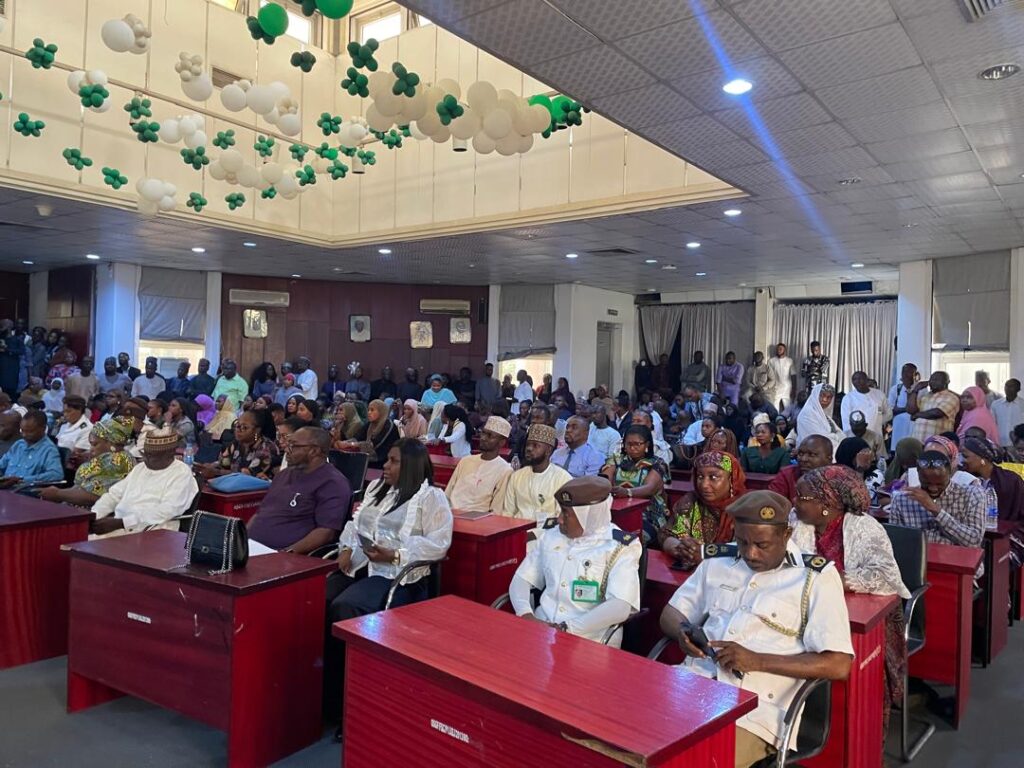
He appealed for prompt and decisive action to prevent healthcare system from overwhelming impact of this development.
He announced the activation of the National Emergency Response Initiative on Environmental Public Health Impacts of Greenhouse Gas Emissions to confront the crisis.
According to him, the initiative would be implemented in collaboration with the Federal Ministry of Environment, the National Environmental Standards and Regulations Enforcement Agency (NESREA), the National Council on Climate Change (NCCC), relevant ministries and agencies, as well as state and local government environmental health departments.
EHCON he noted would deploy no fewer than 70,000 Environmental Public Health Responders (EPHRs) across the country to strengthen disease surveillance, support reporting in health facilities, and conduct community exposure assessments in high-risk areas.
In addition, they agency would roll out a nationwide public awareness campaign on the dangers of air pollution, while engaging industries, transport unions and facility operators to adopt cleaner and safer practices.
He called on all stakeholders—government, industry, communities and the media—to rally behind the initiative, stressing that decisive action is no longer optional but essential to safeguarding the health and future of Nigerians.