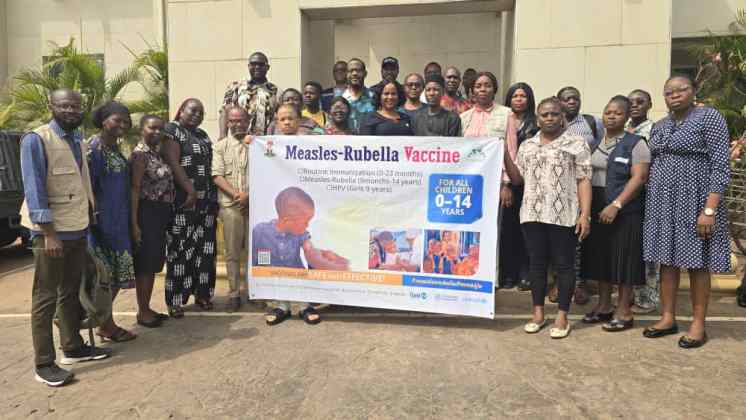
The Enugu State Government will on February 4, 2026, commence a statewide Measles–Rubella (MR) vaccination campaign aimed at protecting more than two million children aged between nine months and 14 years from deadly but preventable diseases.
The 10-day exercise, which will run until February 14 with additional mop-up days, forms part of Nigeria’s national strategy to eliminate measles and rubella and strengthen childhood immunity across the country.
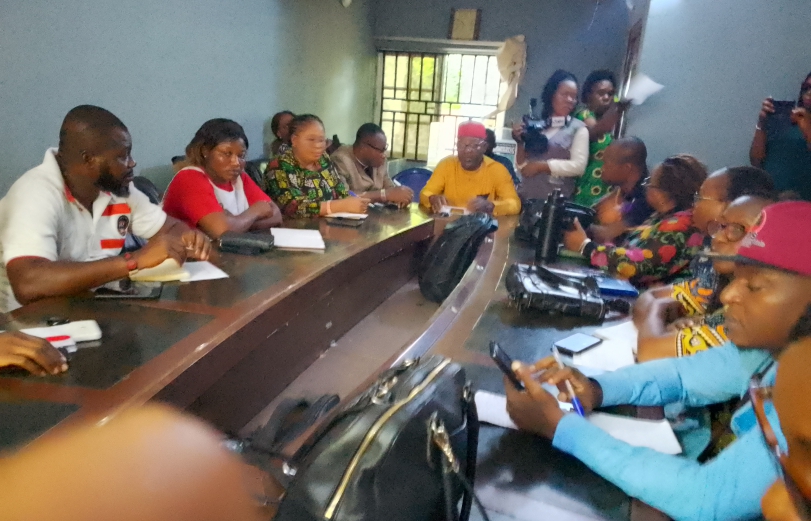
Speaking at a media orientation on the MR vaccine, the Director of Disease Control and Immunisation at the Enugu State Primary Health Care Development Agency, Dr Chinelo Nnadi, identified misinformation and lingering myths as major obstacles to vaccine acceptance, despite overwhelming evidence of vaccine safety and effectiveness.
Dr Nnadi urged journalists to intensify public education, stressing that accurate and responsible reporting is critical to countering false narratives and building trust in immunisation programmes.
She explained that while measles and rubella may appear mild, rubella poses a serious risk during pregnancy, often leading to congenital rubella syndrome, which can cause lifelong disabilities, including heart defects in newborns.
“The goal of this campaign is to drastically reduce measles and rubella cases and protect children from diseases that are entirely preventable,” she said, adding that community mobilisation and advocacy would be key to its success.
17 LGAs covered
The State Immunisation Officer, Dr Chinyere Chime, said the campaign would cover all 17 local government areas and wards in the state, with vaccines administered at public health facilities and temporary community posts to ensure wide reach and easy access.
She noted that following the campaign, the MR vaccine would be fully integrated into routine immunisation at nine and 15 months, replacing the standalone measles vaccine.
Representing the National Primary Health Care Development Agency (NPHCDA), Abdulaziz Yahaya Ahmed said the initiative aims to close immunity gaps nationwide, with Nigeria targeting a reduction of measles and rubella cases to five per million by 2026 and one per million by 2030.
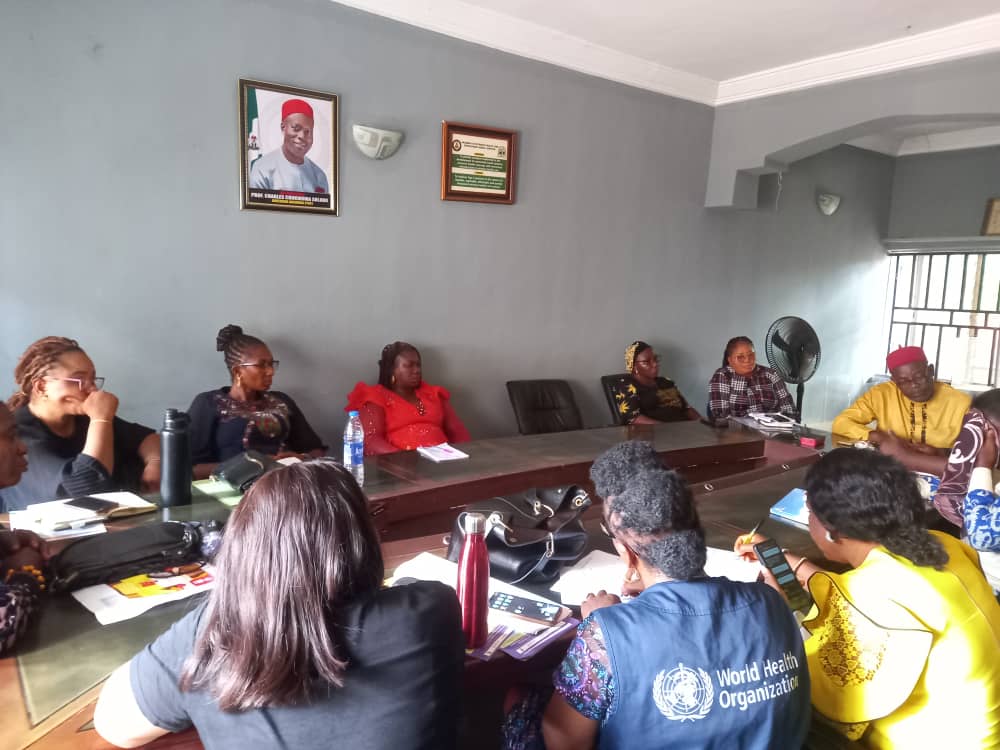
Development partners, including WHO, UNICEF and other health agencies, endorsed the campaign and urged parents and caregivers to take advantage of the free, safe vaccines administered by trained health workers.